SaaS Audit vs Software Asset Management
Aryan Malik · September 25, 2026
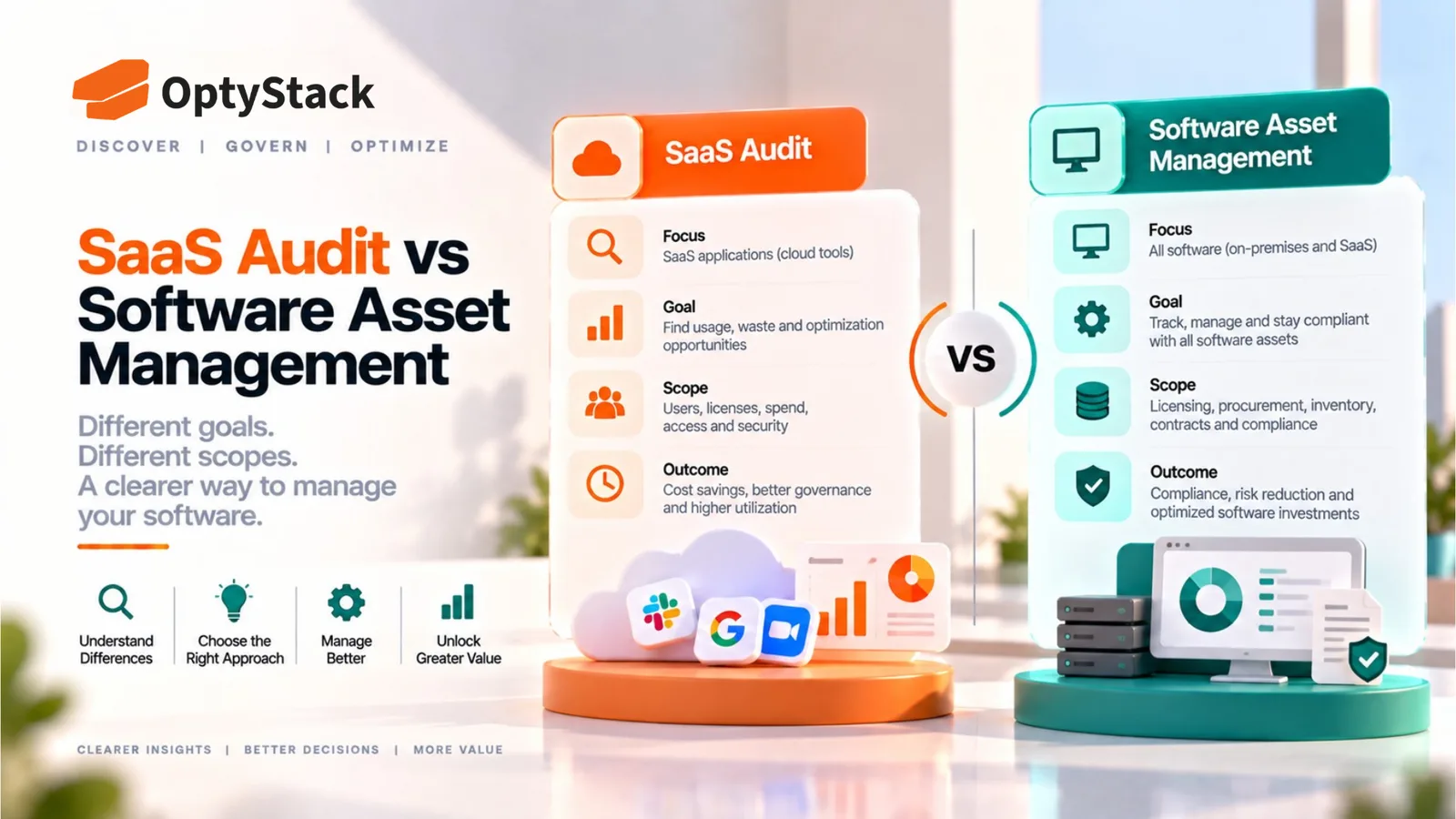
A SaaS audit is a periodic review. Software asset management is an ongoing discipline. Learn how the two differ, how they work together, and how companies can move from one-time audits toward continuous software management.
The terms get used interchangeably often enough that the distinction is worth spelling out plainly: a SaaS audit is something you run. Software asset management is something you do continuously.
Treating the two as the same thing is part of why a company can run a thorough audit, identify waste, fix a few obvious problems, and still find itself dealing with similar issues later. An audit gives you a structured view of the current state. Software asset management provides the ongoing processes and ownership needed to keep that state under control.
What a SaaS Audit Actually Is
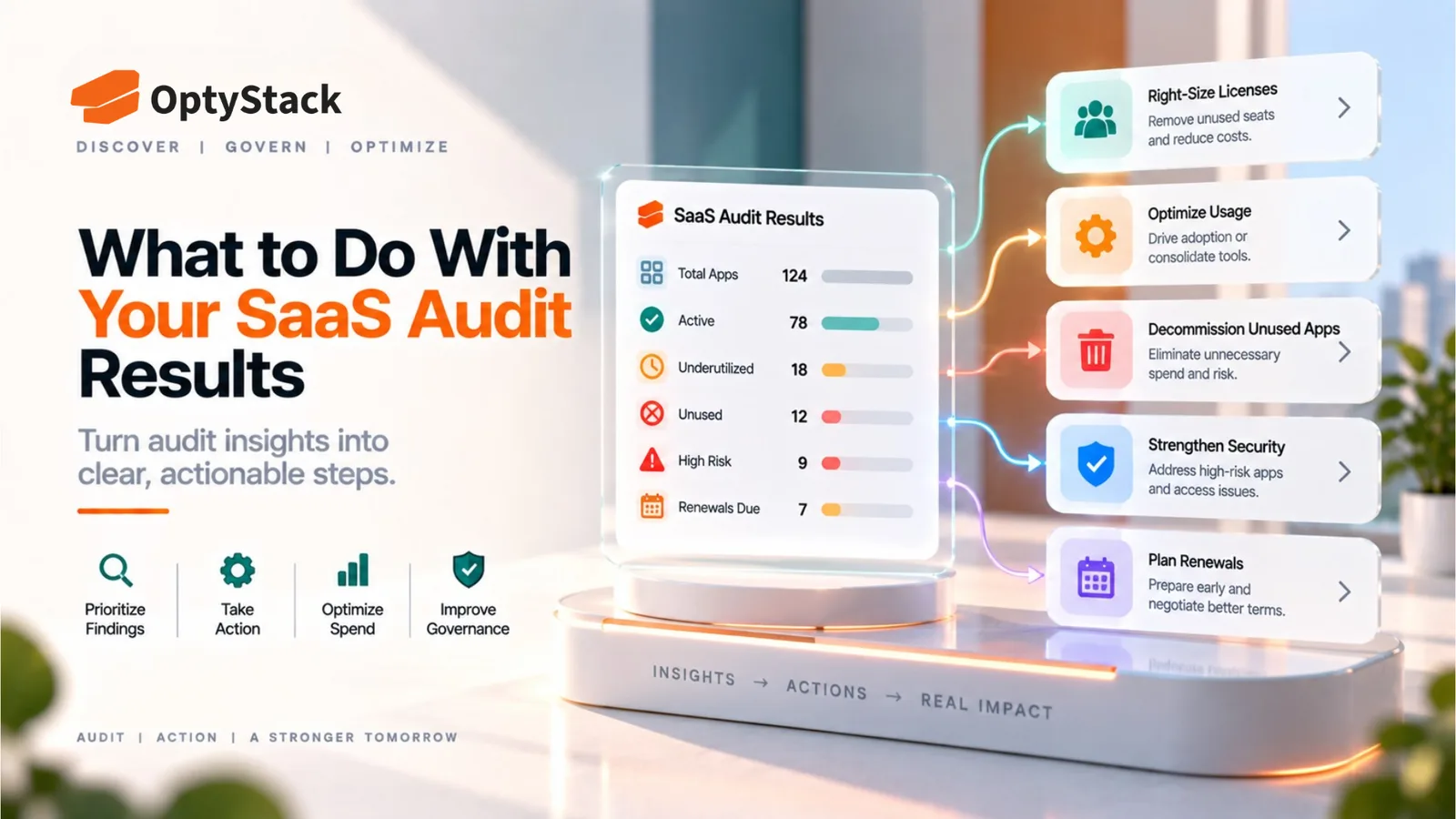
A SaaS audit is a periodic, structured review of the applications a company uses. It looks at what exists, who owns each application, what it costs, how it's being used, what access it has, and when contracts renew.
It has a defined scope and a completion point. You gather the information, analyze the findings, assign actions, and eventually close the review.
That makes an audit a useful diagnostic exercise. It helps answer questions such as:
What applications do we actually have?
Which licenses appear underused or unnecessary?
Who owns each application?
What are we spending?
Which contracts are approaching renewal?
Where are there gaps in access, ownership, or governance?
An audit becomes less useful when it's treated as the entire software-management process, because the information it produces begins changing as soon as the review ends. New applications are adopted, employees change roles, usage patterns move, and contracts approach their deadlines continuously.
What Software Asset Management Actually Is
Software asset management, commonly referred to as SAM, is the broader, ongoing discipline of managing software throughout its lifecycle, including acquisition, deployment or provisioning, active use, optimization, renewal, retirement, and replacement.
SAM involves more than maintaining an inventory. It typically includes defined ownership, policies, processes, records, controls, and recurring activities that help an organization manage its software environment over time.
Traditional SAM developed largely around managing installed software, license entitlements, deployments, and compliance. SaaS introduces a different operating model centered more heavily on subscriptions, users, access, consumption, contracts, and vendor relationships.
That doesn't make traditional SAM irrelevant. It means organizations managing a predominantly SaaS environment may need additional data sources and processes to understand what is being purchased, who has access, how applications are being used, and how vendor relationships are evolving.
Where the Two Actually Differ
An audit is an event. SAM is a discipline. An audit has a defined scope and a completion date. SAM is meant to operate continuously, with processes, ownership, and review mechanisms built into normal software management.
An audit produces findings. SAM is what acts on them and helps prevent recurrence. An audit can identify unused licenses, unclear ownership, duplicate applications, or missed renewal risks. SAM provides the ongoing processes that address those findings and reduce the chance of the same issues rebuilding.
An audit can be run without a formal program. SAM assumes ongoing structure. A company with no established SAM practice can still perform a useful one-time audit. A SAM program normally requires defined roles, policies, recurring processes, and a way to maintain records over time.
Traditional SAM and SaaS management use different data sources. Traditional software management often relied heavily on installed software, deployment records, and entitlement data. SaaS management may also require subscription records, identity data, usage signals, application discovery, contract information, and vendor-level data.
SaaS Audit vs Software Asset Management
Aspect | SaaS Audit | Software Asset Management |
|---|---|---|
Primary purpose | Review the current state | Manage software throughout its lifecycle |
Timing | Periodic | Ongoing |
Scope | Defined review | Continuous program |
Output | Findings and recommendations | Processes, controls, records, and actions |
Ownership | Audit or project owners | Defined operational ownership |
Renewal management | Can be reviewed | Ongoing process |
Usage tracking | Snapshot or periodic | Continuous or recurring |
Governance | Evaluates gaps | Helps prevent and reduce recurring gaps |
The distinction is useful because the two approaches are not competitors. They operate at different levels.
How They Actually Relate to Each Other
An audit is best understood as one recurring activity within a broader software-management practice.
A company running SAM well can still conduct periodic audits. The difference is that the audit acts as a checkpoint within an established process rather than serving as the entire management system.
For example, an audit might discover that several applications have unclear ownership. The immediate response is to assign owners. The SAM process then turns that lesson into an ongoing requirement: every new application needs a named owner, ownership changes need to be recorded, and ownership should be reviewed periodically.
The audit identifies the problem. The management process changes how the problem is handled going forward.
Running audits without the surrounding discipline can therefore produce a predictable cycle: the same categories of waste, ownership gaps, or renewal issues appear again because the underlying process never changed.
Why SaaS Makes the Distinction More Important
SaaS environments can change without a corresponding installation event or traditional license deployment record.
A new application can enter through a department purchase, a corporate card, an identity connection, a free trial, or another route outside a formal software-request process.
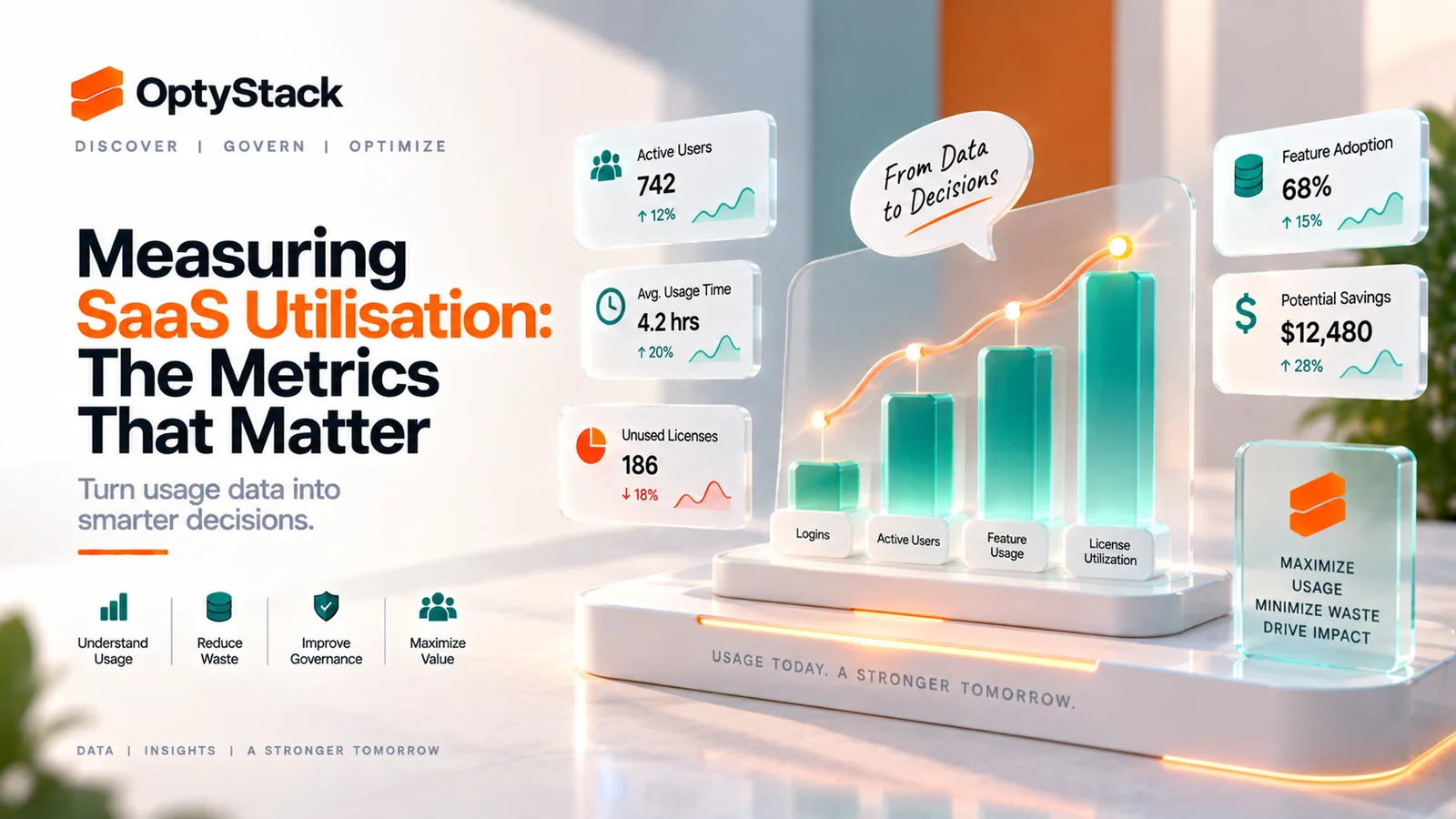
Usage can also change independently of purchasing. A company may still hold 100 licenses while only a portion of those seats are actively used. A vendor can introduce a new pricing model or adjust contract terms before the next audit takes place.
This means a periodic snapshot can be useful without being sufficient for ongoing management.
Continuous visibility into applications, ownership, spend, usage, access, and renewals gives a company more opportunities to detect changes before they become audit findings months later.
Which Approach Does Your Company Need Right Now?
A small company with a modest, well-understood stack may not need a formal SAM program yet. A periodic SaaS audit can provide useful visibility without the administrative overhead of establishing a mature software-management function.
A growing company with an expanding and increasingly decentralized stack may benefit from beginning to formalize SAM practices. That can start with simple measures: named application owners, a defined software-intake process, a current inventory, recurring usage reviews, and renewal tracking.
A company with a more complex software estate may need a broader combination of lifecycle management, governance, security review, financial oversight, contract management, and recurring audits. At that point, an audit alone is unlikely to provide the structure needed to manage the environment consistently.
Companies operating under frameworks such as SOC 2 may need recurring evidence that relevant controls are operating effectively over time. That can make ongoing software ownership, access, and lifecycle processes more important, but it does not by itself require a formal SAM program.
The right level of structure depends on the organization's size, software complexity, risk profile, operating model, and internal requirements.
How to Move From Audits to Ongoing Management
The transition doesn't have to happen all at once.
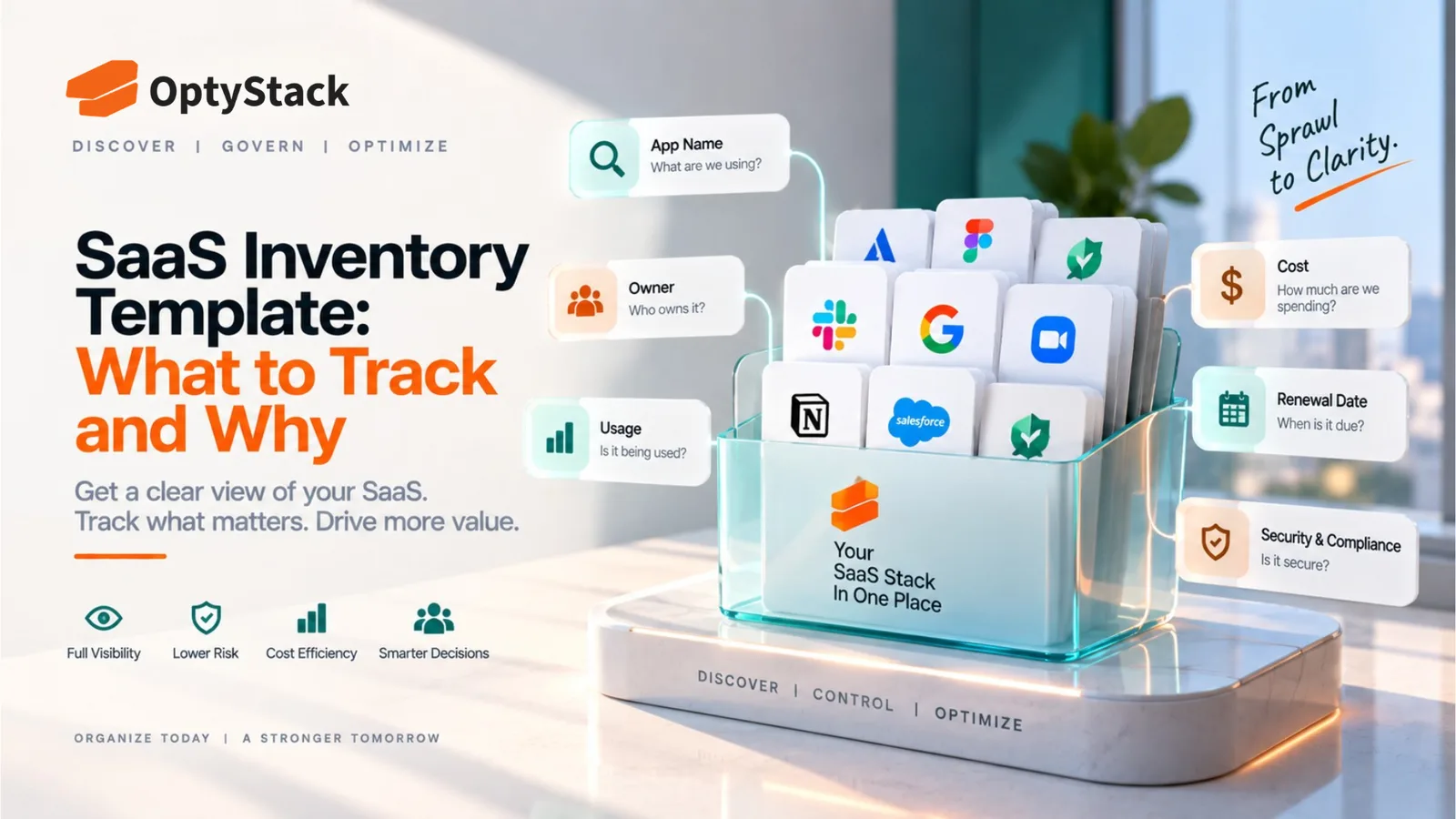
Start by maintaining a current application inventory. Record the applications, vendors, owners, costs, renewal dates, and relevant usage or access information.
Define who owns the process. Individual applications can have different business owners, but someone should be accountable for maintaining the overall software-management process.
Create a repeatable review cadence. Use periodic audits or reviews to validate the inventory, investigate changes, and identify areas that need action.
Connect findings to ongoing processes. If an audit repeatedly finds unused licenses after employee departures, improve the offboarding process. If duplicate applications repeatedly appear, improve software intake and approval.
Track outcomes, not just findings. Record what happened after an audit, including actions taken, savings realized where measurable, applications retired, and process changes introduced.
This turns the audit from a recurring cleanup exercise into one part of a broader management cycle.
Common Mistakes When Confusing the Two
Treating the annual audit as the entire program. This leaves the organization with a useful snapshot but little structure for managing the changes that happen afterward.
Building a SAM process that is heavier than the problem requires. A small company doesn't necessarily need the same layers of governance as a large enterprise. The process should grow with the software estate.
Measuring software only by cost or license count. Spend and entitlement data matter, but so do ownership, usage, business purpose, access, contract terms, and operational dependency.
Fixing audit findings without changing the underlying process. If the same issue keeps appearing, the audit may be identifying a symptom of a larger management gap.
Where OptyStack Fits
Running effective SaaS management between audits becomes difficult when teams have to manually track applications, spend, usage, ownership, and renewal information across separate systems.
OptyStack brings application, spend, usage, identity, and renewal signals together across your SaaS estate, helping teams maintain ongoing visibility instead of relying entirely on periodic manual reviews.
That makes it easier to connect what exists in the stack with what it costs, who has access, how applications are being used, and which areas may need further investigation.
It's free to start and doesn't require a credit card.
Move from periodic audits to ongoing SaaS visibility. Start free with OptyStack.