How Scale-Ups Should Structure Their SaaS Stack
Aryan Malik · September 20, 2026

The gap between startup and enterprise is where SaaS sprawl usually takes root, as headcount and tool adoption both outpace any process built to manage them. Here's how scale-ups should structure their SaaS stack at each stage of growth.
The stage between a small startup and an established enterprise is where SaaS sprawl tends to take root. A ten-person company can usually name every tool it uses. A thousand-person company generally has a dedicated process for managing software. The messy middle, roughly 50 to 500 employees, is where headcount and tool adoption both grow fast, while the structure needed to manage that growth hasn't caught up yet.
Getting the structure right at this stage matters more than it might seem, because the habits formed during rapid growth tend to persist long after the company stabilizes.
Why this stage is specifically the danger zone
Buying decentralizes faster than oversight does. Early on, a founder or a small team makes every software decision. As the company scales, department leads start buying their own tools to move faster, and that shift usually happens well before anyone builds a process to track what's being purchased across the company.
Headcount growth outpaces any manual tracking method. A spreadsheet that worked fine at 15 employees becomes unreliable at 150, not because anyone stopped caring, but because the volume of tools and the number of people buying them both grew past what manual tracking can realistically keep current.
Nobody's been assigned to own this yet. At the earliest stage, informal ownership works because everyone knows what's going on. At real scale, a dedicated function usually exists. In between, SaaS management often falls into a gap where it's technically everyone's responsibility and therefore, in practice, no one's.
What actually needs to be in place
A single, current inventory of every application in use. This needs to include tools discovered through expense records and identity logs, not just the ones that went through a formal request, since a meaningful share of a scale-up's actual footprint typically enters outside any official process.
A lightweight approval threshold, not a heavyweight one. A process requiring a multi-week review for every $15-a-month tool will simply get bypassed. A tiered approach, a fast, minimal check for low-cost, low-risk tools and a real review for anything touching sensitive data or committing significant spend, keeps the process usable without becoming a bottleneck teams route around.
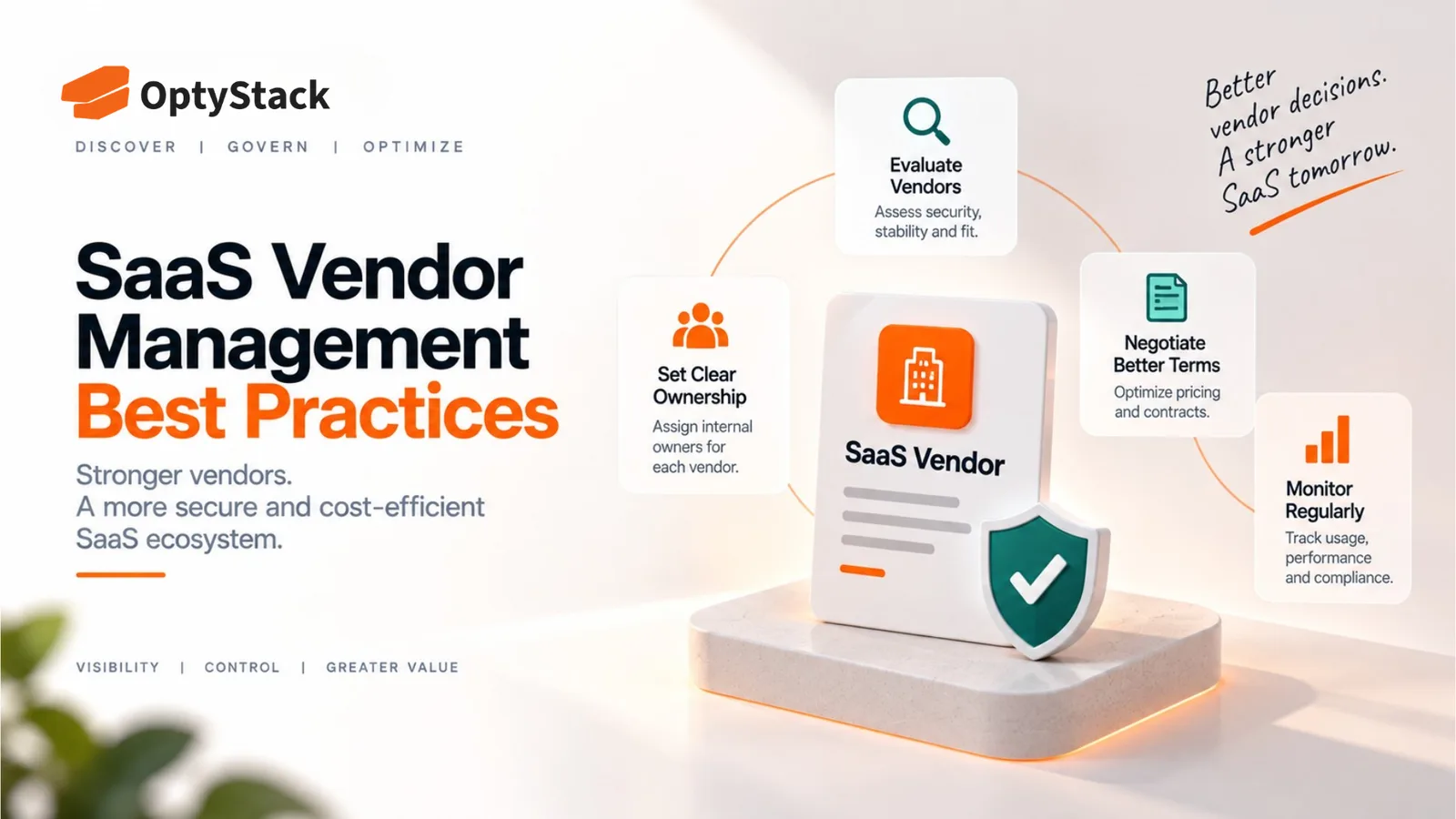
A named owner for the SaaS stack overall, even if it's a part-time responsibility layered onto someone's existing role. Without a specific person accountable for the full picture, the tracking that does exist tends to be partial and inconsistent across departments.
A renewal calendar that's actually current. A scale-up typically accumulates dozens of contracts within its first couple of years of real growth, and a company without a system to track notice deadlines will predictably let several auto-renew before anyone catches the pattern.
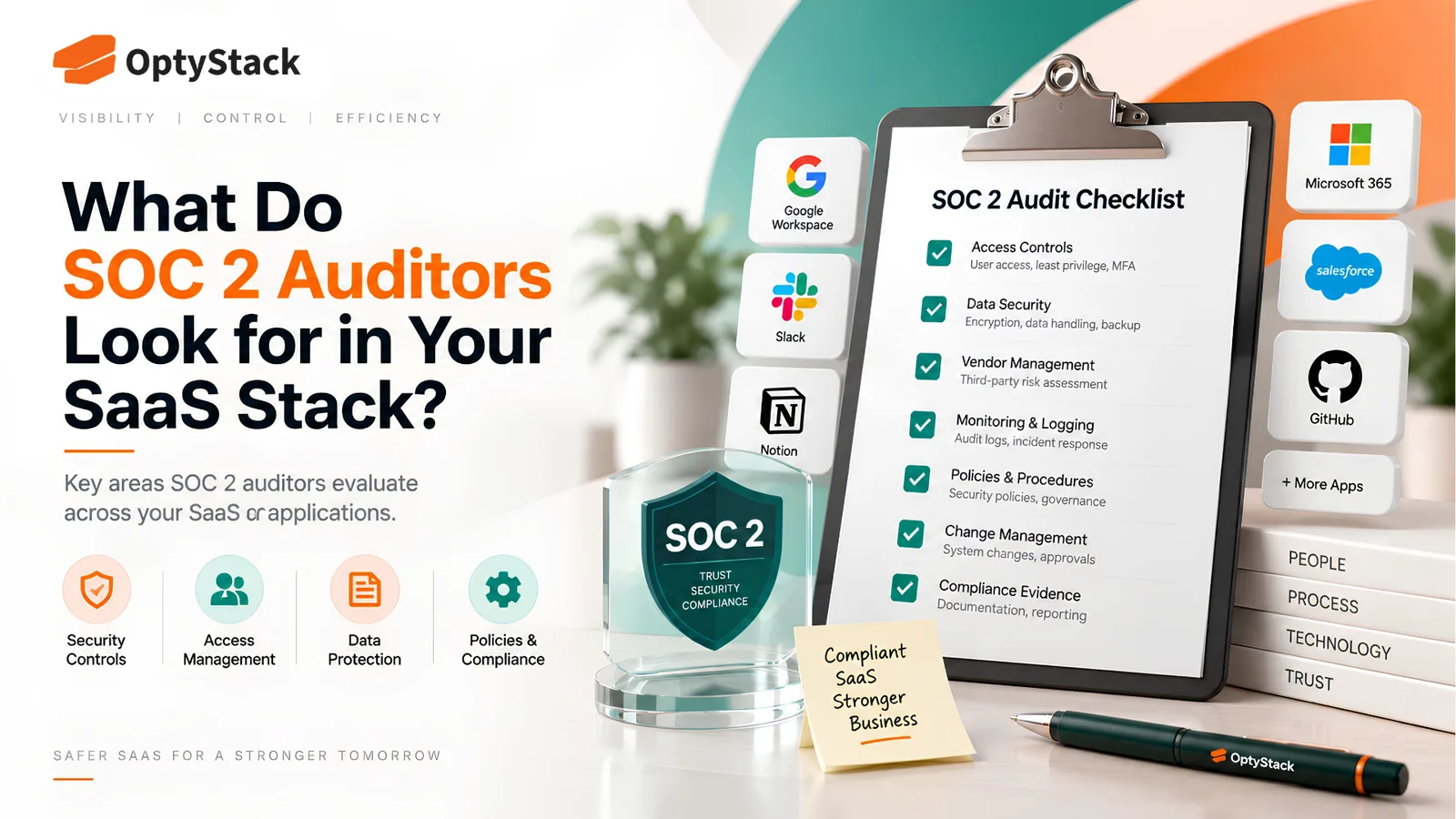
A basic security review step for anything touching sensitive data. This doesn't need to be an enterprise-grade vendor risk program at this stage. It needs to be a consistent, minimum check, does the vendor have reasonable security practices, what data will it actually touch, applied before a tool is adopted rather than after.
What to avoid overbuilding too early
A heavy, enterprise-style governance program before the headcount justifies it. A scale-up doesn't need the same multi-stage approval workflow a large enterprise runs. Over-engineering the process at this stage tends to produce the same outcome as having no process at all: people route around it because it's slower than just buying the tool themselves.
A dedicated full-time SaaS operations role before the estate is large enough to need one. For many scale-ups, this responsibility fits reasonably well as part of an existing IT, finance, or operations role, with a shift to a dedicated function once the tool count and spend genuinely justify the headcount.
How the structure should evolve with growth
Early in the scale-up phase, the priority is visibility: knowing what exists before trying to control it tightly. As the company grows further, the focus shifts toward tightening the approval process and building a real renewal and vendor review cadence. By the time a company approaches enterprise scale, a more formal governance structure, with dedicated ownership and a defined intake process, generally makes sense. Building each layer before it's actually needed tends to slow the company down for no real benefit; building each layer too late tends to leave a sprawling, hard-to-untangle mess that takes far more effort to fix retroactively than it would have taken to manage from the start.
Where OptyStack fits
Building and maintaining a current inventory across a growing headcount, with tools entering from every department and outside any single process, is difficult to do manually at exactly the pace a scale-up is growing.
OptyStack surfaces applications, spend, and usage across your SaaS estate automatically, including tools adopted outside a formal request process, so a scale-up can build real visibility without needing a dedicated SaaS operations function in place from day one.
It's free to start and doesn't require a credit card.
Get visibility into your stack before it outgrows what you can track manually. Start free with OptyStack.