SaaS Management Trends to Watch
Aryan Malik · September 16, 2026
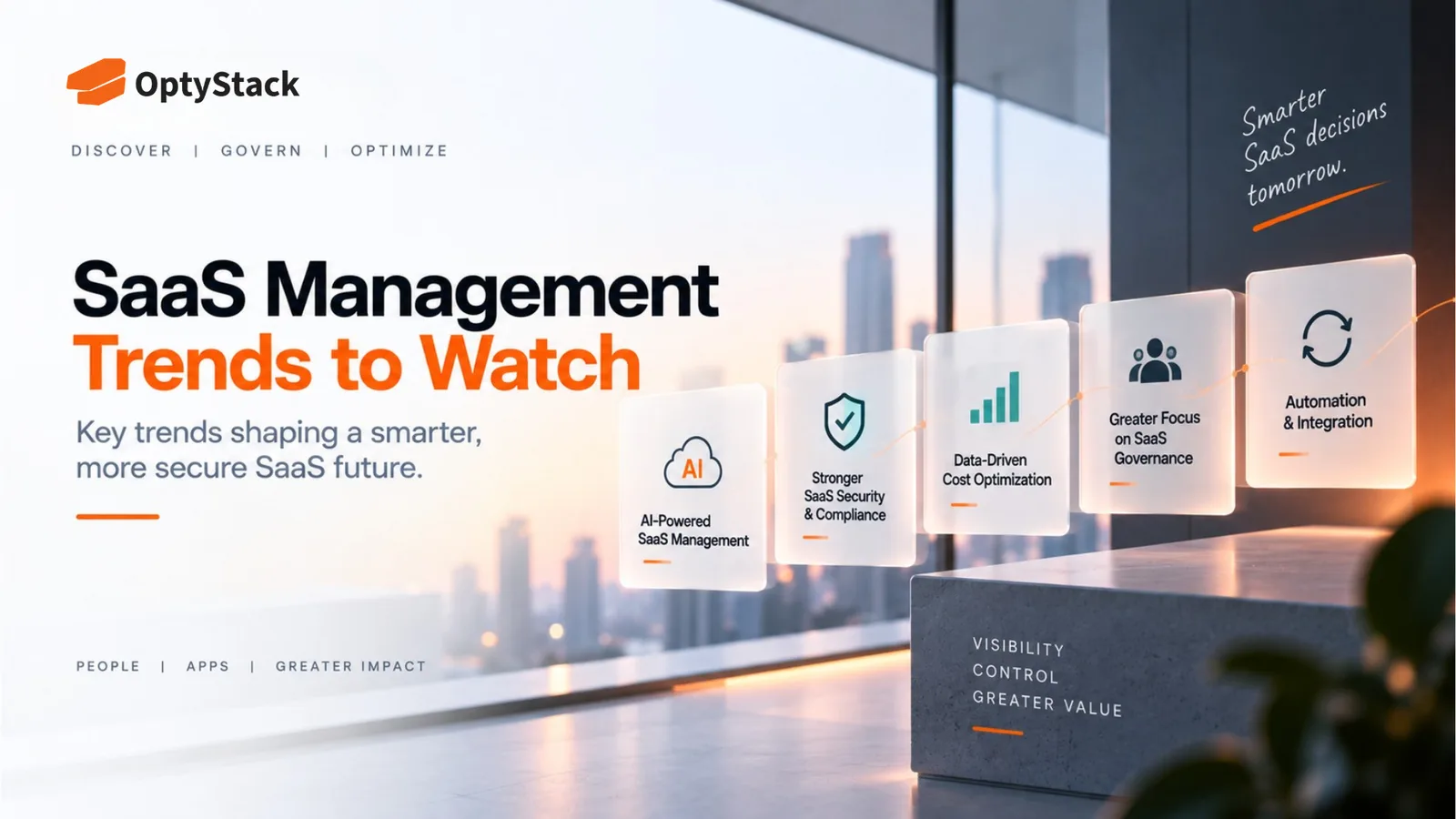
Shadow AI is outpacing confidence in visibility, accountability is concentrating on IT leadership, and pricing is shifting toward consumption-based models. Here's why these SaaS management trends matter and how they're reshaping discovery, governance, and budgeting in 2026.
The underlying problems in SaaS management, sprawl, wasted spend, unmanaged access, haven't changed. What's shifted in 2026 is where those problems concentrate and how organizations are being forced to respond. The trends below matter because they're changing how companies discover what's actually in their stack, evaluate new tools, govern access and risk, budget for a less predictable cost structure, and decide where to focus optimization effort.
AI spend is growing faster than the rest of the stack
Spend on AI-native applications has grown sharply as a share of total SaaS budgets over the past year, and a meaningful portion of that growth is happening through consumption-based pricing rather than the flat per-seat model that dominates the rest of the category. That shift makes AI spend structurally harder to forecast: the same tool can cost meaningfully different amounts month to month depending on usage, in a way a traditional subscription line rarely did.
Shadow AI is making SaaS visibility harder
A Cloud Security Alliance survey, reported by CIO.com in July 2026, found that 82% of organizations discovered shadow AI agents in the past year, even though a majority of respondents, 68%, had reported high confidence in their existing visibility beforehand. CSA researchers described this as organizations mistaking strong insight into known tools for complete visibility. Separately, research attributed to EY and reported in the same coverage found that 78% of technology leaders say AI adoption is outpacing their ability to audit or monitor the systems involved. Together, these suggest confidence in visibility and actual visibility are increasingly not the same thing, at least for a large share of organizations.
Accountability is landing on IT leadership without matching authority
A 2026 survey commissioned by 8x8 and conducted by Censuswide, covering more than 2,500 CIOs and CTOs across five countries, found that 52% of respondents hold the CIO accountable when an AI agent makes an error, more than any other function, including legal, compliance, or customer service. The report's authors framed this as CIOs increasingly held responsible for a fragmented, multi-vendor environment they didn't fully choose and don't fully control, a dynamic that's pushing unified visibility from a convenience toward something closer to a defensive necessity.
Governance is under pressure to act earlier, not just react
Research attributed to EY and reported by CIO.com found that a meaningful share of department-level AI initiatives operate without formal approval or oversight, a pattern consistent with how shadow IT has generally spread: new tools entering through individual teams faster than any review process can catch up. The pressure this creates is toward catching adoption earlier, during procurement or shortly after, rather than discovering it during a periodic review months later.
Continuous discovery is becoming more important
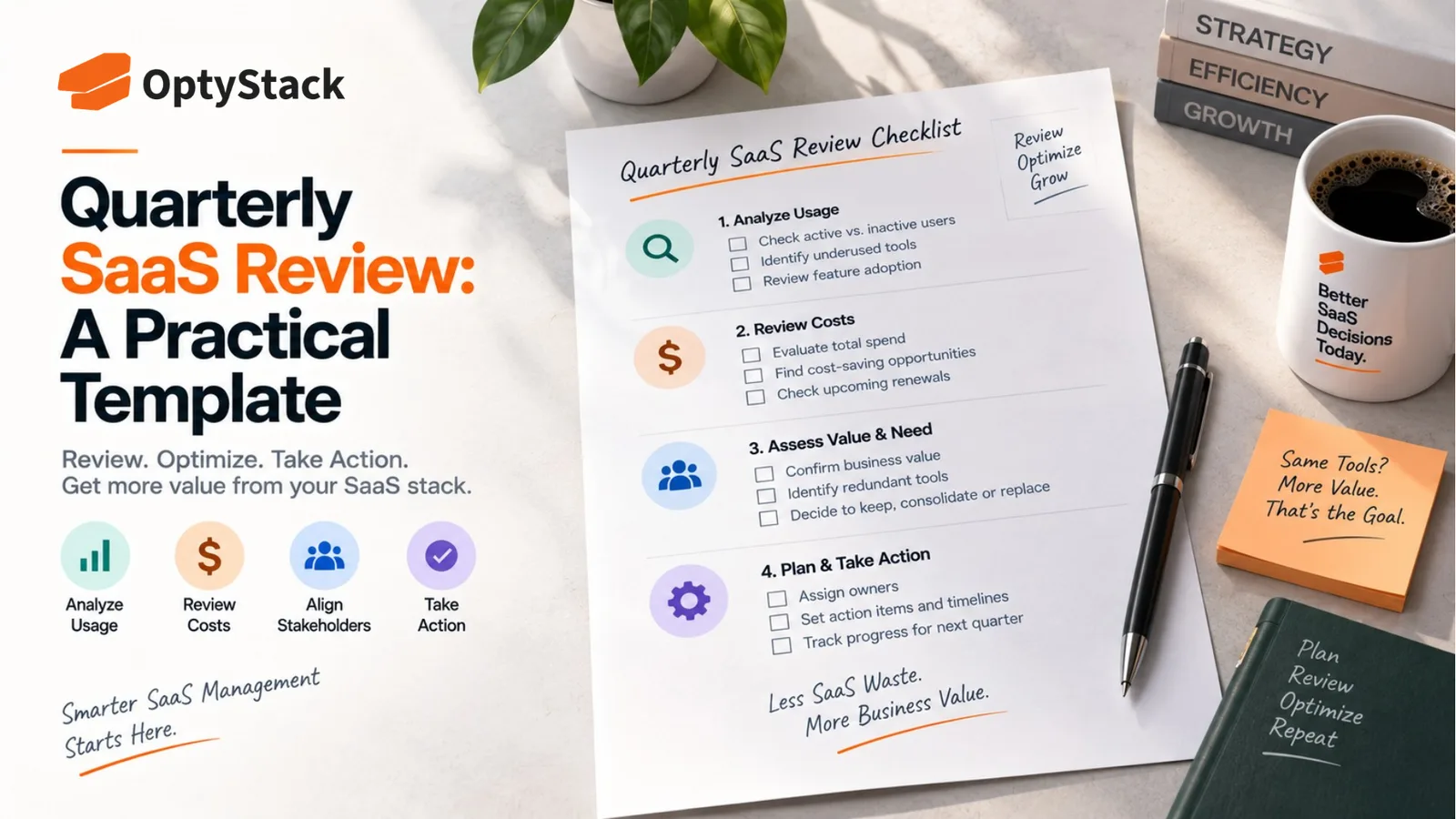
An annual or quarterly manual review has historically been treated as an acceptable cadence for tracking a SaaS estate. As shadow AI adoption specifically has shown how much can change between review cycles, more organizations are moving toward continuous, automated discovery that surfaces new tools as they appear, rather than relying solely on reconstructing the full picture from scratch at each periodic checkpoint.
Financial and identity data are converging into a single view
SaaS management has historically split into separate disciplines: cost tracking sitting with finance, access and identity sitting with IT and security. There's a growing push to unify these into one view, since a tool's cost, its usage, and who has access to it are really three angles on the same underlying question. Managing them separately tends to leave gaps that only surface when someone specifically sets out to reconcile all three, often after something's already gone wrong.
What this means for how companies operate
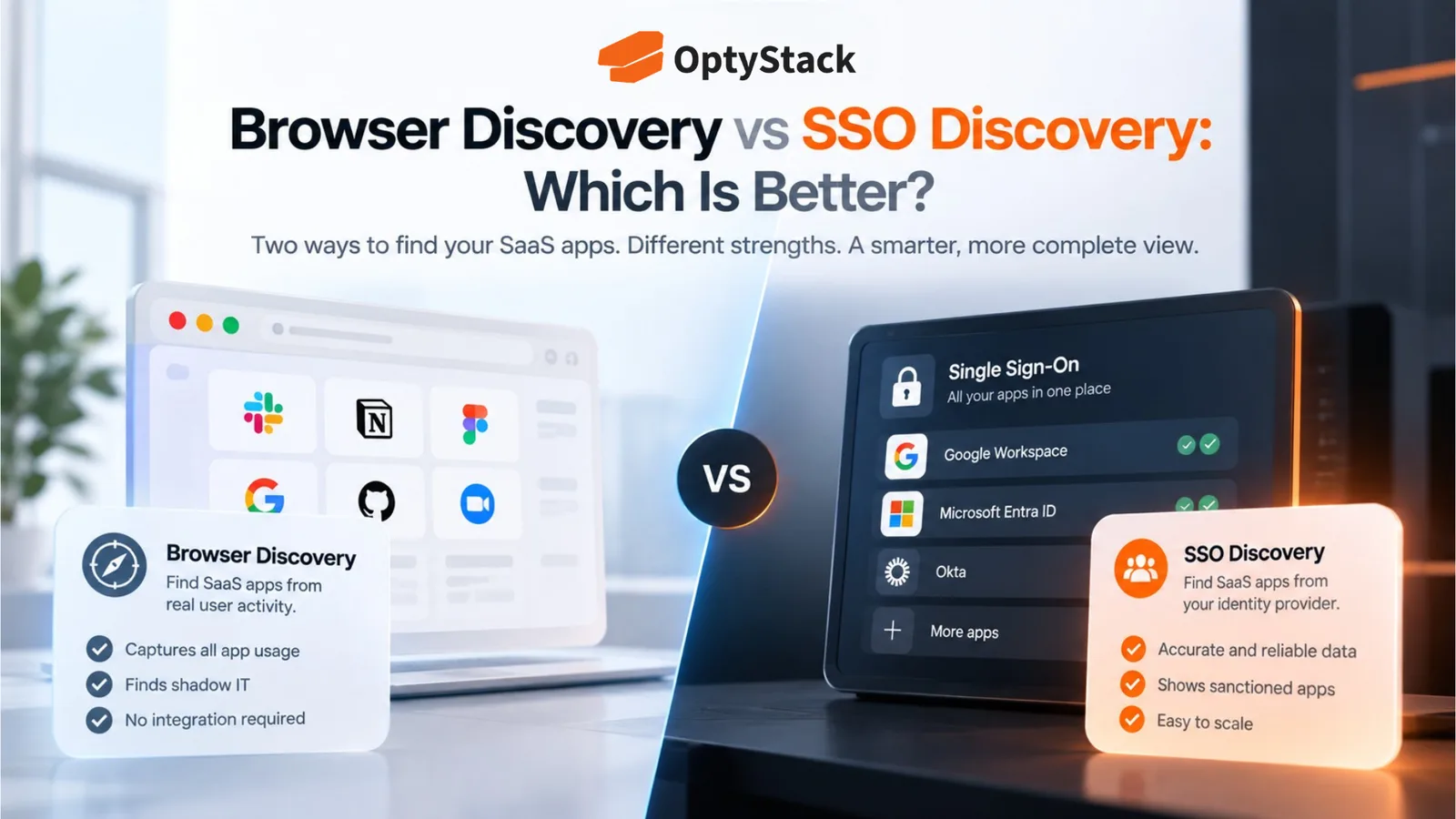
Visibility needs to extend past what identity systems capture. With AI tools frequently accessed outside single sign-on, relying solely on identity-based discovery leaves a growing and increasingly consequential blind spot.
Renewal and budget planning need to account for consumption-based pricing. A forecasting approach built entirely around flat per-seat costs is likely to miss the more volatile, usage-driven portion of the budget, and that portion is growing.
Governance processes benefit from moving earlier in the adoption cycle. Catching a tool during procurement is a meaningfully different problem than catching it a year later during an audit, both in terms of risk exposure and how disruptive removal or restriction ends up being once a team has built workflows around it.
A single source of truth is becoming harder to do without. As accountability increasingly concentrates on IT and security leadership specifically, having one place to answer what exists, what it costs, and who has access to it is shifting from a nice-to-have toward something closer to table stakes.
Where OptyStack fits
Keeping pace with these shifts, a fast-changing AI layer, consumption-based pricing, and shadow tools that can spread faster than periodic reviews catch them, is difficult with a process still built around annual or quarterly checkpoints alone.
OptyStack brings spend, usage, and identity data together continuously across your SaaS estate, including shadow IT and shadow AI tools that fall outside a formal review process, so the picture stays closer to current instead of going stale between audits.
It's free to start and doesn't require a credit card.
Stay ahead of what's actually happening in your SaaS stack. Start free with OptyStack.