The Hidden "Shadow Tax": Why Unknown IT is Costing You More Than Money
Anand Kumar · February 25, 2026
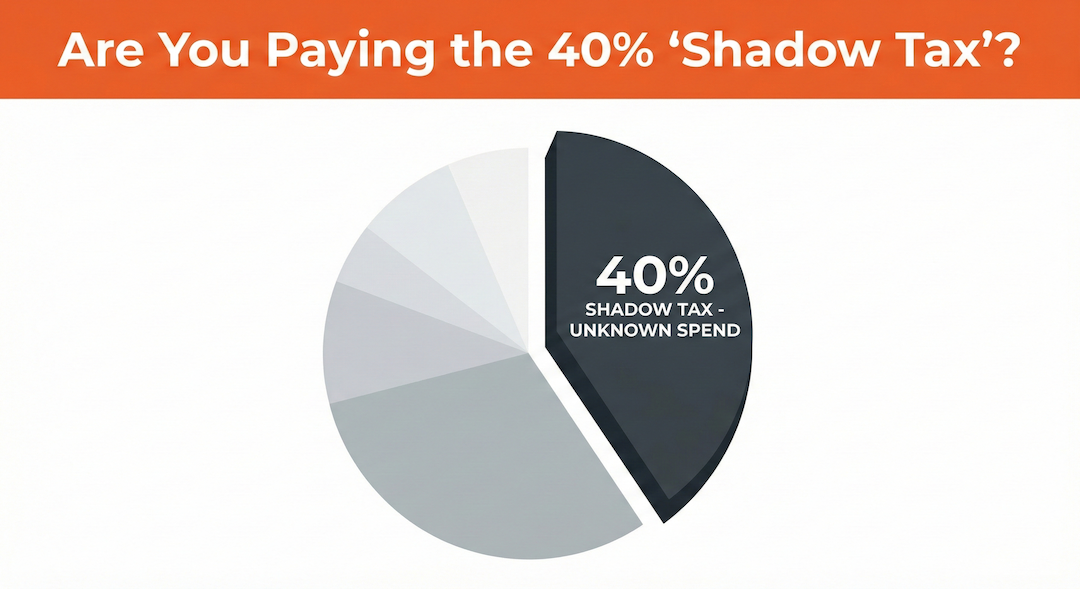
The "Shadow Tax" is real. Discover why 40% of your IT spend might be hidden, and how unknown SaaS apps are creating financial and security risks you can't afford to ignore.
If you asked your CFO right now how much your company spends on software, they would likely pull up a spreadsheet, sum up the invoices from Salesforce, Slack, Zoom, and AWS, and give you a confident number.
They would be wrong.
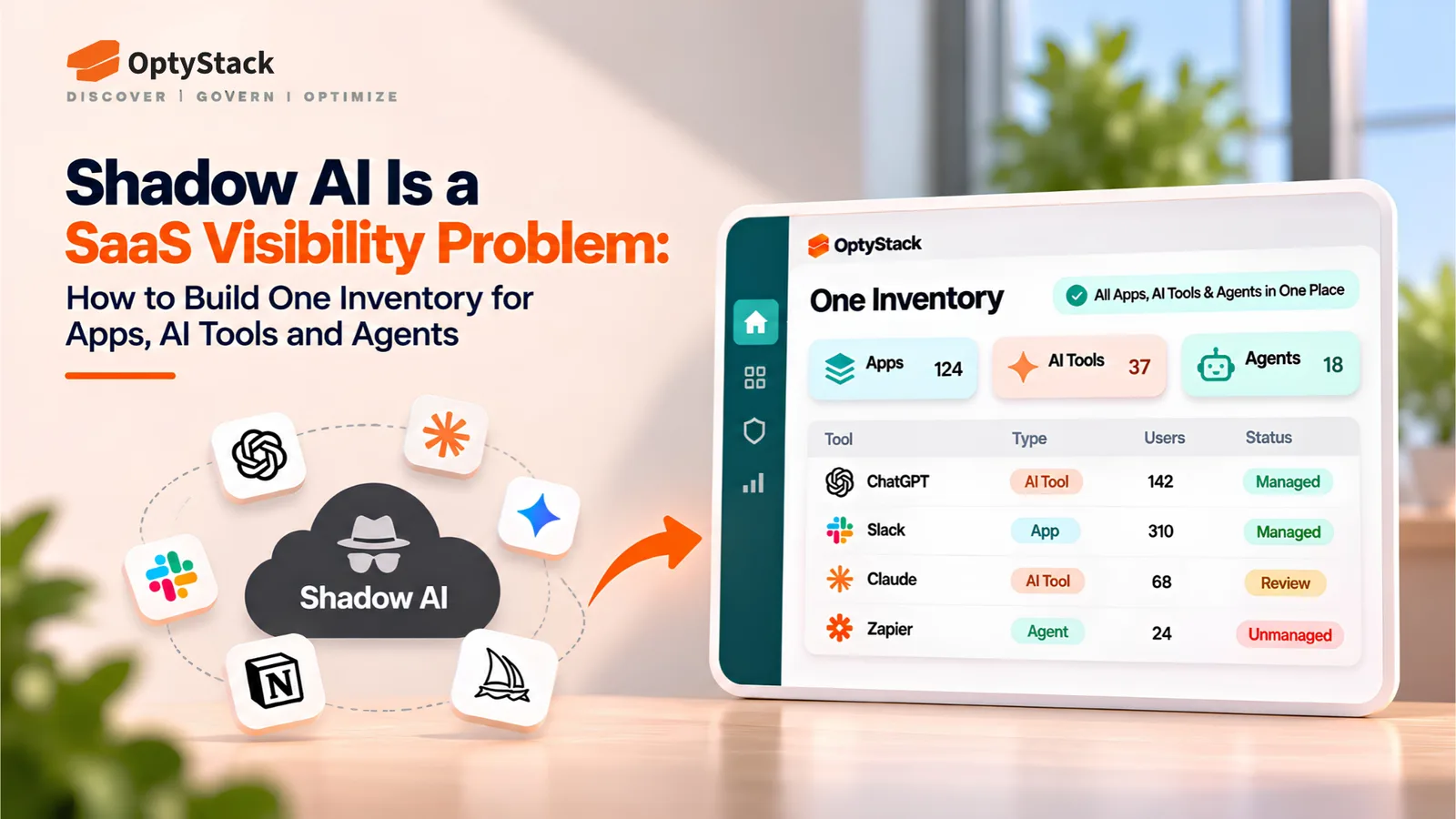
According to industry estimates, nearly 40% of all IT spending now occurs outside the official budget. It’s happening on employee credit cards, hidden in expense reports labeled "Marketing Tools" or "Training," and buried in freemium accounts that silently converted to paid tiers.
We call this the "Shadow Tax." It is the premium you pay for lack of visibility, and it is draining your budget and your security posture dry.
The Financial Leak: Death by a Thousand Subscriptions
The Shadow Tax doesn't usually look like a massive, six-figure contract. It looks like $49/month here and $99/month there.
Duplicate Tools: The marketing team buys a project management tool (e.g., Asana) while the engineering team buys another (e.g., Jira), and the sales team expenses a third (e.g., Monday.com). You are paying triple the overhead for the same function.
The "Free Trial" Trap: An employee signs up for a free trial of a PDF editor to finish a project. They enter a corporate card "just in case." The project ends, the employee forgets, and the auto-renewal hits. Multiply this by 50 employees, and you are burning thousands of dollars a year on "zombie" software.
Missed Volume Discounts: Because you don't know that 20 different employees are individually expensing the same subscription, you can’t negotiate an enterprise license. You are paying retail prices when you should be getting wholesale rates.
The Security Nightmare: The Cost of a Breach
The financial cost of Shadow IT is painful, but the security cost can be fatal. Every unvetted application represents a potential backdoor into your organization.
When an employee signs up for a specialized AI writing tool or a file converter without IT knowledge, that app often bypasses your Single Sign-On (SSO) protocols. It doesn't adhere to your password policies. It hasn't been vetted for SOC2 compliance or GDPR adherence.
If that vendor gets breached or if that employee uses a weak password your corporate data is exposed. The cost of remediating a data breach far outweighs the cost of the software subscription.
Eliminating the Tax with OptyStack
You cannot manage what you cannot see. The only way to repeal the Shadow Tax is to achieve Zero Unknown IT.
Modern SaaS Management Platforms (SMPs) like OptyStack connect directly to your finance systems, SSO providers, and browser extensions to uncover every single application in your ecosystem.
Discover: Instantly map your entire SaaS landscape.
Rationalize: Identify duplicate tools and consolidate contracts.
Secure: Bring rogue apps under the umbrella of IT governance.
Don't let the Shadow Tax eat your margins. Turn the lights on and see exactly what you’re paying for.