Reduce SaaS Spend Without Disrupting Your Team
Amit Dangi · April 20, 2026
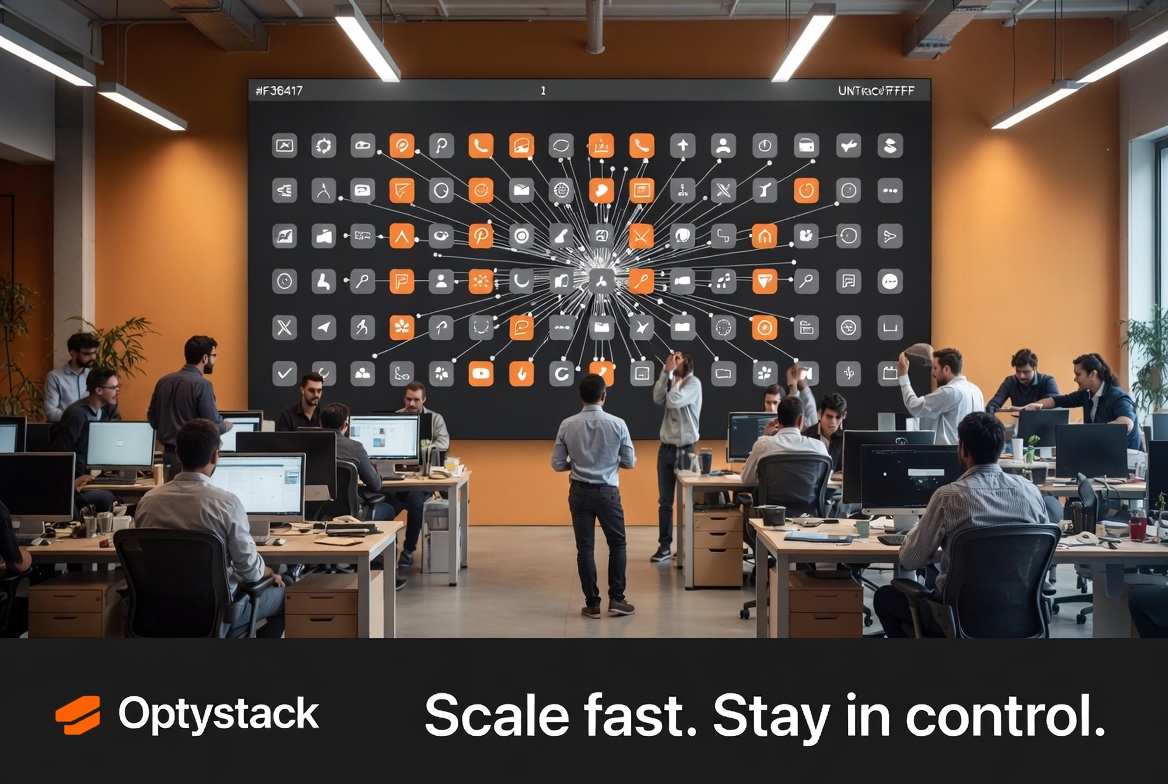
This isn't a startup problem or an enterprise problem. It's a SaaS spend management problem. Decentralized purchasing, rapid headcount changes, and department-level buying decisions mean the stack grows faster than anyone tracks it. The waste compounds every quarter because no one has a clean view of the full stack.
To reduce SaaS spend, start by understanding how much of your software budget is already invisible to you. Between 30 and 53 percent of software licenses in most organizations go completely unused, and on a $10 million SaaS budget, that's up to $3 million sitting idle every year. Teams keep renewing tools on autopilot, adding seats that never get touched, and missing consolidation opportunities hiding in plain sight. It just happened, quietly, one renewal at a time.
This isn't a startup problem or an enterprise problem. It's a SaaS spend management problem. Decentralized purchasing, rapid headcount changes, and department-level buying decisions mean the stack grows faster than anyone tracks it. The waste compounds every quarter because no one has a clean view of the full stack.
The fix doesn't require a budget freeze or a company-wide reorganization. It requires a clear method: audit what you have, reclaim what's wasted, consolidate what overlaps, and negotiate before vendors do. Platforms like OptyStack are built to surface these savings automatically, but before you reach for any tool, you need to understand exactly where the money is going and why.
Where your SaaS budget actually bleeds
Software waste clusters into distinct buckets, and each one requires a different response. The first is unused and underutilized licenses. According to Zylo's 2026 SaaS Management Index, 46 percent of applications are underutilized or unused, averaging $19.8 million in wasted spend per organization annually, and only 34 percent of apps are actively used by employees. A $10 million SaaS budget can realistically carry $3 million in idle seats, and most organizations have no system to catch it.
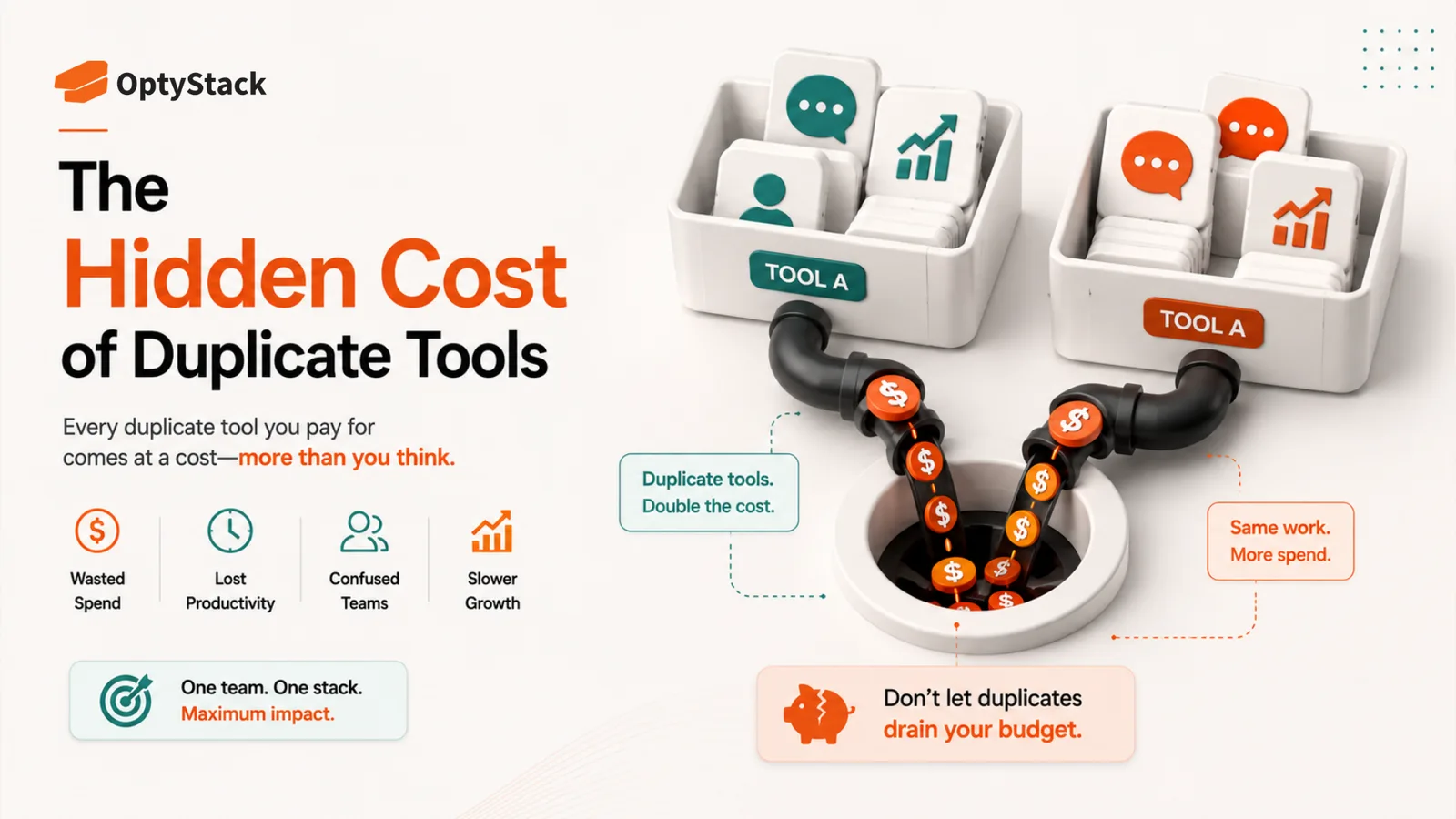
The second bucket is duplicate tools. Four departments each paying for a different project management platform is not unusual, it's the norm in organizations without centralized software oversight. Video conferencing, file storage, design tools, and note-taking apps get purchased independently across teams, with no coordination and no visibility between them. The cost isn't just financial. It's operational drag.
The third bucket is missed renewals. Auto-renewals lock in another year of spend before anyone reviews the usage data or makes a case for renegotiation. This is where vendors win and buyers lose, not because the vendor outmaneuvered anyone, but because no one was watching the calendar.
These problems compound each other. What starts as a manageable tool inventory can become a $21 million annual waste problem (per Zylo's research) before IT or finance realizes it. Reducing SaaS spend at that scale requires more than good intentions, it requires a repeatable system.
How to run a fast SaaS inventory before cutting anything
A SaaS audit doesn't have to be a compliance exercise. It's a discovery process that pulls from three primary sources, each revealing something the others miss.
Start with billing and credit card statements. These catch shadow subscriptions purchased outside of IT's procurement process, tools finance never approved and renewals no one remembers authorizing. Next, pull SSO and identity provider logs. These show which tools employees are actively accessing versus which ones have dormant accounts sitting in the directory. Finally, review employee expense reports. Department-level purchases made directly by team leads often never make it into a centralized system at all.
Once you have the inventory, flag anything that meets these criteria: fewer than 10 percent active users in the past 30 days; multiple tools serving the same job function across different teams; no clear owner or renewal date on record; licenses still assigned to employees who left the company. That last one is more common than it sounds. Offboarding workflows rarely include a clean sweep of SaaS access.
The goal of this audit is not to cut tools people rely on. It's to find spend with no corresponding use. Those are two very different problems, and conflating them is how audits create friction with the teams you're trying to serve.
Reclaim licenses to reduce SaaS spend, without touching workflows
License reclamation delivers results faster than any other SaaS cost optimization tactic because it requires no migration, no change management, and no contract negotiation. You're simply stopping payment for seats that aren't being used.
For per-seat licenses, the logic is straightforward: flag users with fewer than 30 percent of expected logins in 90 days, query them before acting, then reassign or cancel the seat. ViacomCBS reportedly reduced Zoom spend by 32 percent through this approach alone. Carta identified over $50,000 in underused video tools in a single license audit pass.
Feature-tier licenses work differently. The question isn't whether a user logs in, it's whether they're using the premium capabilities they're paying for. If fewer than 50 percent of advanced features are being used across your user base, downgrade to the next tier. Zoom Pro at $15 per user per month versus the basic tier is a fast win that multiplies quickly across hundreds of seats.
Per-seat reclamation
Identify the threshold, whether that's less than five minutes of average session time or zero logins in 60 days. Query the user before acting, because some low-activity users have legitimate reasons for infrequent access.
Feature-tier right-sizing
Then reassign recovered seats before purchasing new ones. That step alone eliminates a significant portion of unnecessary license spend. Most procurement requests for new seats get approved without anyone checking whether recovered licenses are already available, a pattern that drives SaaS waste reduction opportunities organizations consistently overlook.
Consolidating overlapping tools and renegotiating at renewal
SaaS consolidation strategies work best when you group your tool inventory by job function rather than by team. Organized that way, the overlap becomes obvious: four project management tools, three video platforms, two file storage solutions. Consolidation cuts the license cost and removes the cognitive overhead of switching contexts and maintaining integrations across competing tools.
Handle the transition practically. Give teams 30 days to migrate to the consolidated tool rather than forcing an overnight cutover. Let the departing tool reach its natural renewal date and sunset there, rather than canceling mid-term and triggering exit penalties. The savings are real, RingCentral reportedly recovered over $250,000 through a single consolidation exercise, but the process needs to respect the teams relying on those tools, or resistance will stall the whole initiative.
Renegotiation is the other half of this equation, and timing is everything. Vendors are most flexible 90 days before renewal, not at the deadline. At 90 days, you have credible migration options, time to run a competitive analysis, and a usage report that shows exactly what your organization actually consumed. At 30 days, you have almost none of that leverage.
The tactics that deliver real savings at renewal: upgrade from single-year to multi-year contracts, which often yields additional discounts while avoiding the typical annual price hike. Negotiate seat caps with proration flexibility rather than fixed commitments. Present usage data as evidence for a reduced tier or right-sized contract. And escalate to vendor retention teams rather than standard account reps, retention teams have actual authority to move on price. Account reps often don't.
How to sustain software spend reduction without a dedicated SaaS analyst
A manual audit done once will degrade within six months. New tools get added. Old ones get forgotten. The renewal calendar fills back up with unreviewed commitments. Manual spreadsheet governance simply can't keep pace with the rate at which mid-market SaaS stacks grow and change. This isn't a criticism of the teams managing it, it's a structural reality: decentralized purchasing doesn't produce centralized visibility without automation.
This is where software subscription governance needs to become a continuous system rather than an annual scramble. OptyStack is built to automate the full cycle described in this article. The platform runs continuous unused and duplicate license detection rather than quarterly snapshots. It surfaces shadow IT and shadow AI, including AI copilots, LLM APIs, and browser extensions employees add independently outside of IT oversight. Contract renewals are tracked with automated deadline alerts that flag renegotiation windows before vendors can lock in another year. AI-powered recommendations come with dollar-value savings projections attached, so your team knows exactly which action to take and what it's worth before acting.
For IT and finance teams that need to demonstrate ROI on software asset management without building a dedicated analyst function, that combination matters. OptyStack turns license reclamation, consolidation, and renewal management into a continuous workflow instead of a fire drill. Visit OptyStack.com to see current plan options and get started.
The clarity you need to spend less and justify more
Much of what looks like a SaaS overspending problem is actually a visibility gap. Research consistently shows that organizations waste tens of millions annually not because they're making bad purchasing decisions, but because the stack outgrew their ability to see it. The spend is there. The waste is identifiable. The fixes become straightforward once you can actually see the full picture.
The approach comes down to actions done consistently: reclaim unused licenses and rightsize feature tiers before buying anything new; consolidate overlapping tools by function before adding to the stack; renegotiate renewals with usage data in hand, 90 days before the deadline, not after it passes. Each of these delivers savings on its own. Together, they produce a software budget that's defensible, efficient, and tied to actual use.
OptyStack gives you that visibility automatically and continuously. Use these tactics to reduce SaaS spend and build a defensible software budget, then let the platform keep it that way. Start at OptyStack.com and see what your stack is actually costing you. You don't need a bigger software budget conversation. You need a more honest one.