Beyond the Spreadsheet: Defeating the "Chaotic Manual Management" of SaaS
Anand Kumar · March 11, 2026
Still tracking your company's software licenses in a giant spreadsheet? You are fighting a losing battle against digital chaos. Learn why manual SaaS management is a recipe for missed contract renewals, hidden security vulnerabilities, and hundreds of hours of wasted IT labor—and how to build a better system.
For decades, the spreadsheet was the undisputed Swiss Army knife of IT operations. Whether it was Microsoft Excel or Google Sheets, IT professionals relied on rows and columns for asset tracking, budget planning, hardware inventory, and project management.
It is completely understandable why, as software transitioned to the cloud, IT teams naturally tried to manage their new SaaS subscriptions the exact same way. You built a "SaaS Master List." You added columns for the vendor name, the department owner, the number of seats, and the renewal date.
It felt like control. But in the modern, hyper-dynamic world of decentralized software procurement, that spreadsheet is no longer a tool for organization; it is a critical operational vulnerability.
We call this state Chaotic Manual Management. It is the default operating mode for most companies that grow beyond 50 employees, right up until the system inevitably breaks under its own weight.
The Four Critical Failures of Spreadsheet Governance
Relying on a manual list to govern a living, breathing SaaS ecosystem is a losing game. Here is exactly why the spreadsheet model fails modern IT and Finance teams:
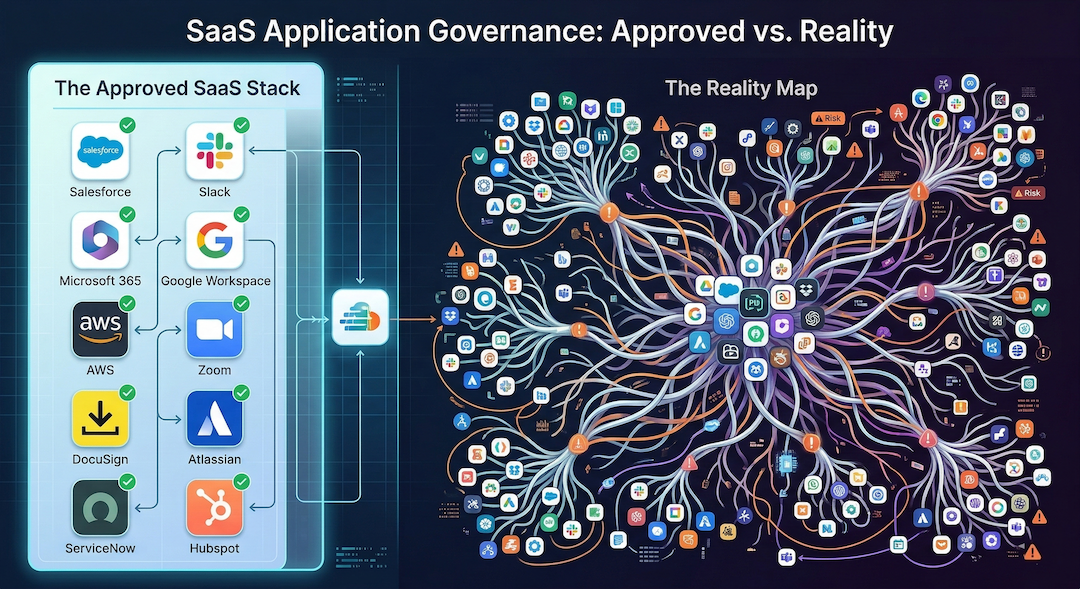
1. Instant Data Decay (The Illusion of Accuracy) A spreadsheet is a static document trying to map a dynamic environment. The second you hit "save," your data is obsolete. Why? Because while you are updating the sheet, a marketing manager just bought a new SEO tool with a corporate credit card. Five engineers just linked a new code-testing app to their GitHub accounts via OAuth. HR just offboarded three employees but forgot to tell you to remove them from the local Canva team account. Data is constantly moving into new silos you have never heard of. Your spreadsheet cannot keep up with Product-Led Growth and decentralized buying.
2. The Utilization Blind Spot Your master list might accurately track that you bought 100 seats of Salesforce and what they cost. What it absolutely cannot tell you is how those seats are being used. Spreadsheets cannot connect to vendor APIs. They cannot tell you that 20 of those licenses are assigned to offboarded employees (zombies), or that 15 users haven't logged in for over 90 days. Because you lack utilization data, your Finance team makes renewal decisions based on assumptions rather than reality, virtually guaranteeing you will overpay for shelfware.
3. The Renewal Panic Machine Managing vendor contracts manually is a crisis waiting to happen. Most enterprise SaaS contracts include a 30, 60, or 90-day auto-renewal clause. If your primary method of tracking these dates is a spreadsheet cell, human error is inevitable. You will eventually miss a notification window. When you do, you are locked into another 12 to 36 months of a tool you might not even want, often with an automatic 7% to 10% price increase baked into the terms. Alternatively, you discover the renewal with 48 hours left, leaving Procurement with zero leverage to negotiate a better rate.
4. The Complete Absence of Risk Context A list of vendor names tells you nothing about your security posture. A spreadsheet does not alert you when a newly adopted Shadow IT application lacks SOC 2 compliance. It doesn't flag that an employee just granted a third-party calendar extension read/write access to your entire corporate email server. Manual management leaves your security team entirely blind to the actual data flows happening across your software stack.
Moving to Automated Clarity
The hard truth is that you cannot manage an API-driven software ecosystem with manual data entry. The volume of changes is simply too high.
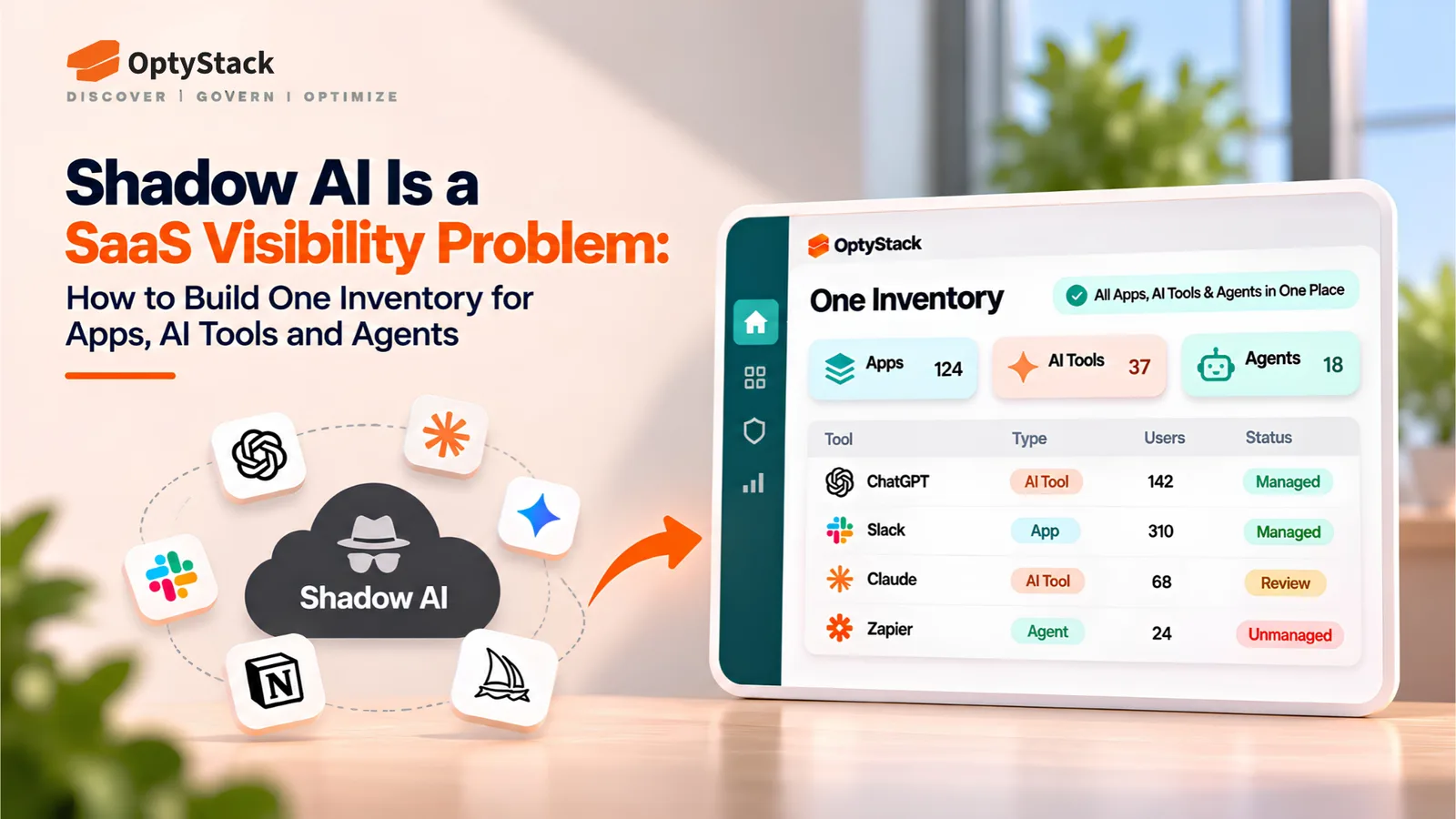
To defeat Chaotic Manual Management, organizations must shift to an automated SaaS Management Platform (SMP). By integrating directly with your financial systems (to discover Shadow IT spend), your Identity Provider (to track logins), and the SaaS applications themselves (to monitor deep utilization and permissions), an SMP creates a living, breathing system of record.
Automation tips the balance of control back into IT's favor. It transforms your team from data-entry clerks desperately trying to update a spreadsheet into strategic architects governing a secure, cost-optimized digital environment.