FinOps and SaaS: Aligning Contract Calendars with Budget Owners
Amit Dangi

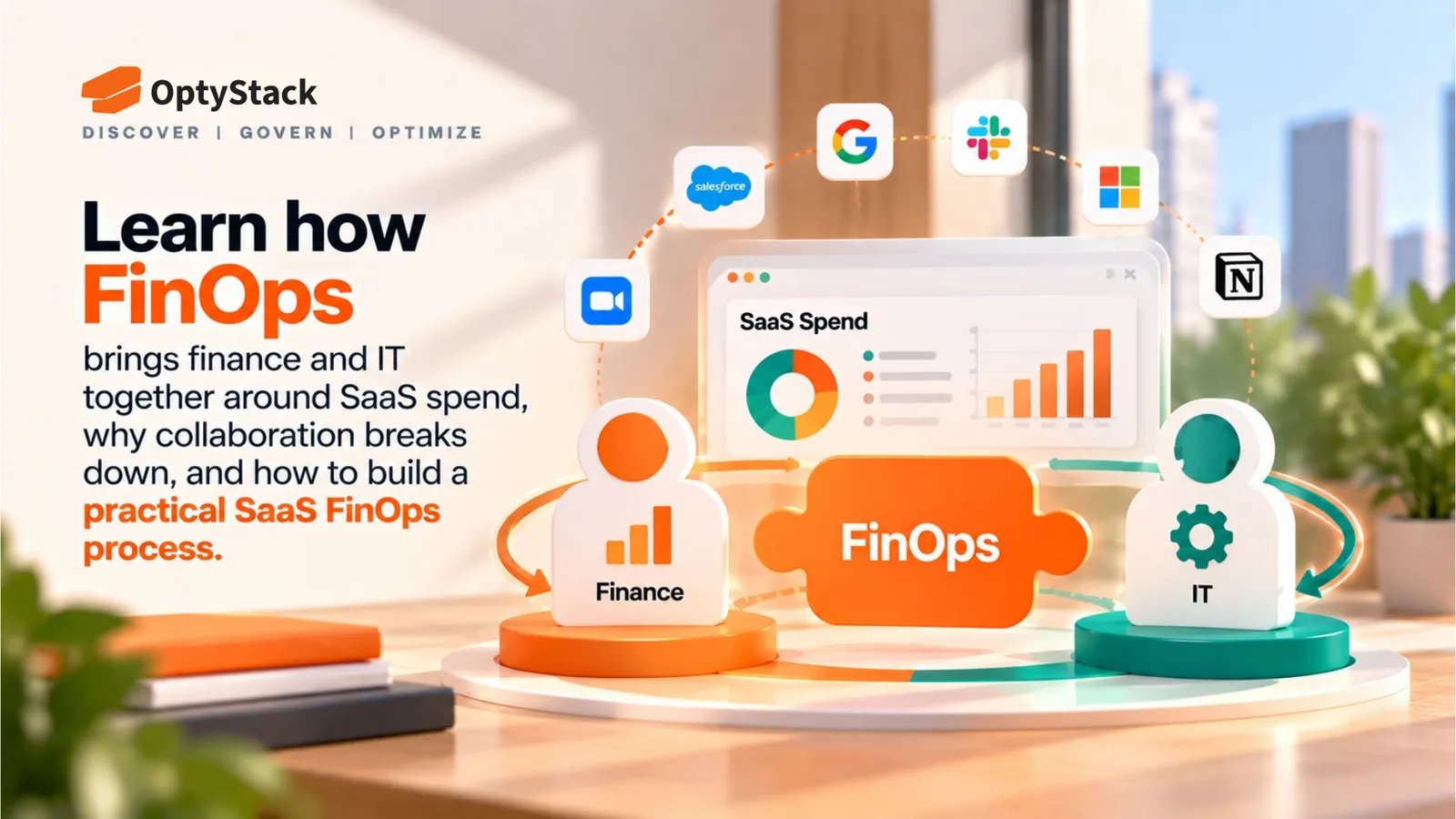
Renewals sneak up when legal, procurement, and finance use different systems. Learn how to synchronize SaaS contract data with budget cycles, forecast cash impact, and give FinOps a single timeline they can defend in planning sessions.
Software is now one of the largest discretionary budget lines in most enterprises, yet the data that drives decisions often lives in three places at once: legal holds PDFs, procurement owns the order forms, and finance models headcount-driven OpEx. When renewal dates drift out of sync with fiscal planning, surprises land in Q4 reviews instead of Q1 forecasts. FinOps teams are uniquely positioned to fix this—if they can see the same application and contract reality that IT and procurement see.
Why calendars break down
Individual business units buy SaaS with corporate cards or small POs that never enter the enterprise CLM system. Auto-renew clauses trigger twelve months later without a calendar invite for finance. Meanwhile, budget owners assume IT “owns” the renewal because the app touches employees, while IT assumes procurement already negotiated the best rate. None of these failures are malicious; they are the natural outcome of decentralized buying in a subscription economy.
Breaking the cycle starts with a canonical renewal date per vendor, normalized to your fiscal calendar. That date should sit next to committed annual value, true-up rules, and the named business sponsor—not buried in an attachment.
Data you need on one screen
Effective alignment combines contract metadata (term end, notice window, currency), usage context (active seats or API volume), and financial classification (OpEx vs. capitalizable, cost center, project code). When FinOps can sort renewals by quarter and by materiality threshold, they can escalate only the top twenty percent of spend to executive steering while automating approval for the long tail.
- Notice periods — Surface 90/60/30-day gates so procurement is not negotiating against a clock no one saw.
- Commit vs. consumption — Flag contracts where you prepaid for capacity you are not using; feed that into next year’s zero-based line items.
- Cross-charge readiness — If IT recharges departments, tie renewal amounts to the same allocation keys finance already recognizes.
Operating rhythm
Quarterly business reviews between finance, IT, and procurement should start from a shared renewal pipeline—not three slide decks with conflicting totals. Leading organizations treat SaaS like a portfolio: expected spend, variance, and risk roll up the same way capital projects do. Discovery and spend platforms make that possible by ingesting contracts alongside live usage so FinOps models reflect reality, not last year’s spreadsheet.
OptyStack helps teams connect discovery, usage, and renewal intelligence so budget owners and FinOps leaders negotiate from evidence, not from memory. When the calendar finally matches the budget, SaaS stops feeling like a series of emergencies and starts behaving like a managed asset class.
Maturity curve
Early-stage FinOps alignment often starts with a spreadsheet export from procurement and a screenshot from IT—good enough to fix the next renewal, not enough to run the business. Mature programs pipe contract end dates, committed spend, and usage telemetry into the same planning tools finance already uses for headcount and capital. The payoff is predictable: fewer emergency budget transfers, cleaner audit trails, and faster answers when the CFO asks which levers can move if revenue misses.