Building a Translation Layer Between Finance and IT for SaaS Spend
Amit Dangi · April 5, 2026

Finance speaks GL codes; IT speaks application IDs. This article explains how to bridge vocabularies so both sides trust the same SaaS numbers in steering committees and board packs.
Board-level discussions about technology spend fail for predictable reasons: finance reports vendor names pulled from AP, while IT reports application names from SSO—and neither total matches what business units believe they consume. The gap is not dishonesty; it is taxonomy. Building a translation layer between finance systems and IT systems of record turns debate into decisions.
Map vendors to applications
Start with the spend feed: every invoice line or card transaction should normalize to a parent vendor, then to one or more logical applications. A single vendor might represent five products (think Microsoft or Google), so GL alone cannot drive rationalization. Enrichment from identity and discovery data tells you which SKUs are actually in use versus which line items are inertia.
Where invoices are opaque (“cloud services” without SKU detail), usage and seat reconciliation becomes the source of truth for allocation—even if accounting still books one lump sum.
Shared metrics
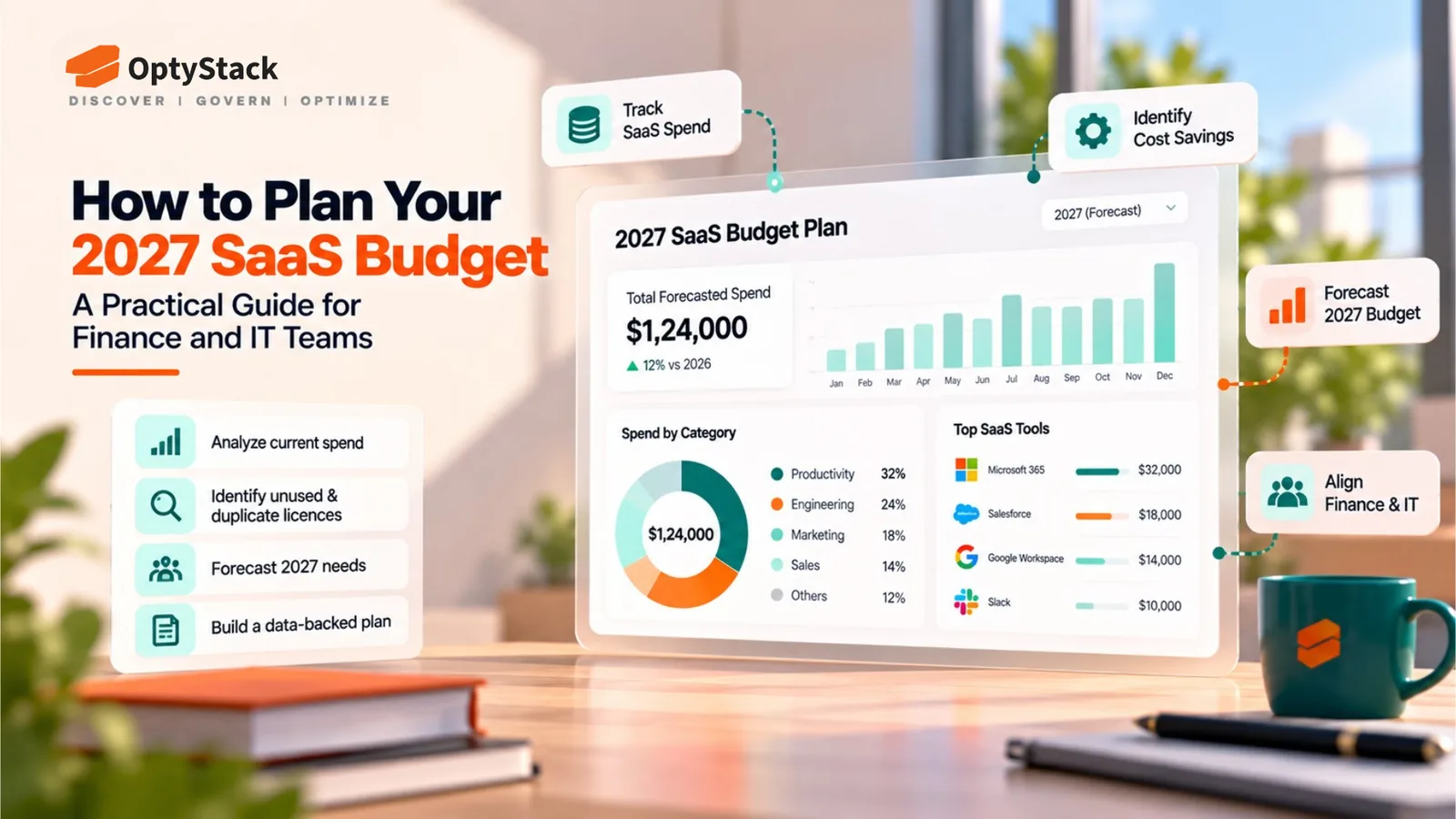
Adopt a small set of KPIs both sides endorse: annual contract value by department, cost per active user by application category, and variance against forecast. When IT proposes a consolidation, finance should see the cash impact in the same fiscal year language they use for headcount plans. When finance pushes savings targets, IT should see which renewals are movable without service degradation.
Rituals that stick
Monthly joint sessions beat annual budget theater. Bring exceptions—not every app—to the table: top variances, upcoming renewals above threshold, and net-new discoveries from the last thirty days. Tools that unify discovery, contracts, and spend shorten prep time and reduce spreadsheet reconciliation.
OptyStack is designed to sit in that translation layer: one view that finance and IT can defend together when leadership asks what SaaS is really costing—and why.
From alignment to automation
Once mappings stabilize, automate exception detection: spend without a matching application, applications without recent invoice coverage, and budget lines that drift from forecast beyond agreed thresholds. Automation turns the translation layer from a project into muscle memory. Dashboards should speak the language of each audience—finance sees variance and runway; IT sees technical debt and integration risk—while drawing from identical underlying facts.
Board packs improve when everyone cites the same figures. Invest once in data integration; dividend that trust in every subsequent conversation.