Shadow IT in the Enterprise: A Complete Guide for 2025
Anand Kumar

Understand what shadow IT is, why it persists in modern enterprises, and how security, IT, and finance teams can align on discovery, risk scoring, and governance without blocking innovation.
Shadow IT describes software, cloud services, and integrations adopted outside formal procurement and IT approval channels. In 2025, it is less about “rogue employees” and more about the natural friction between speed and control: teams adopt tools to meet deadlines, and traditional approval cycles often cannot keep pace.
Why shadow IT still matters
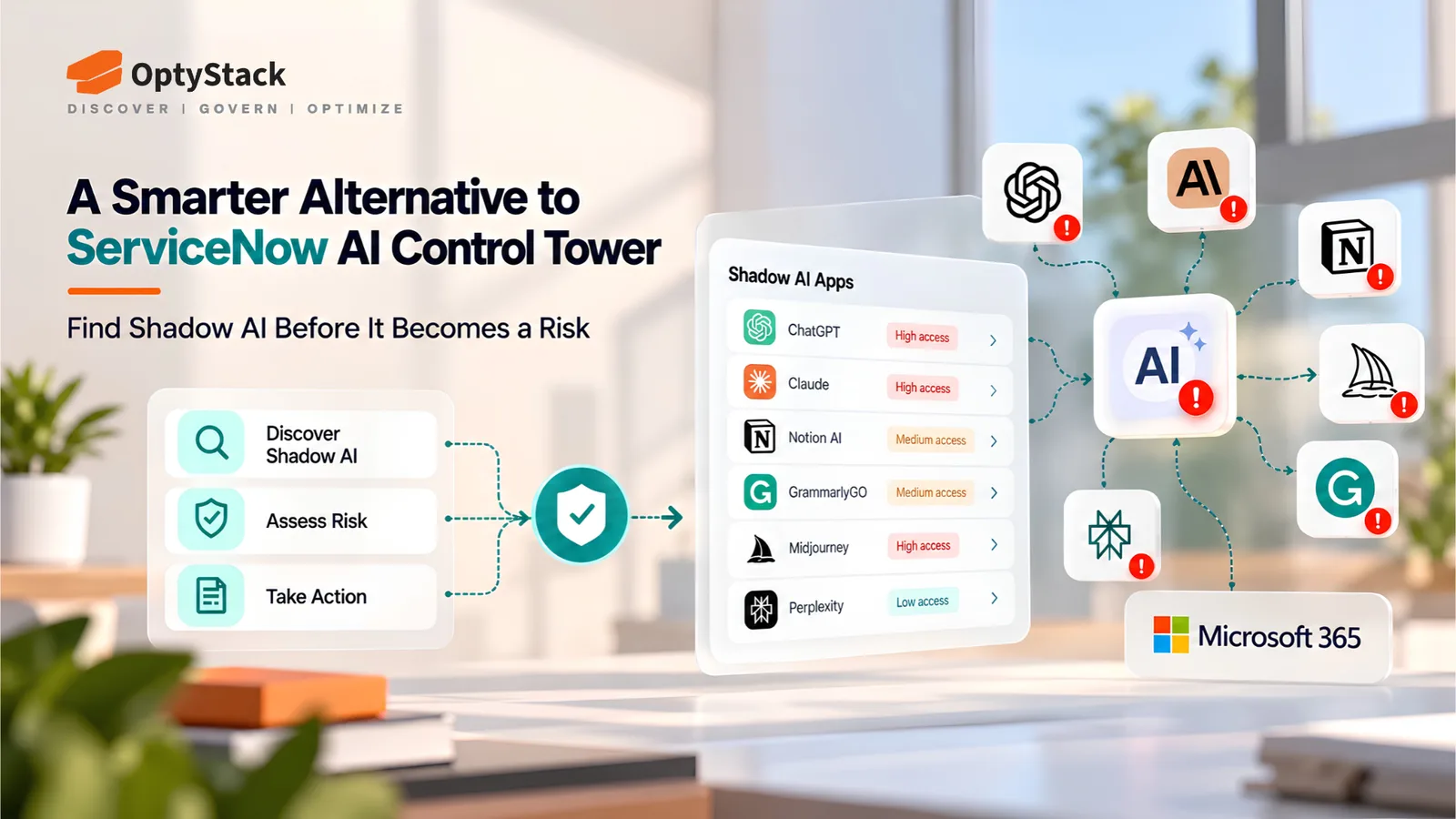
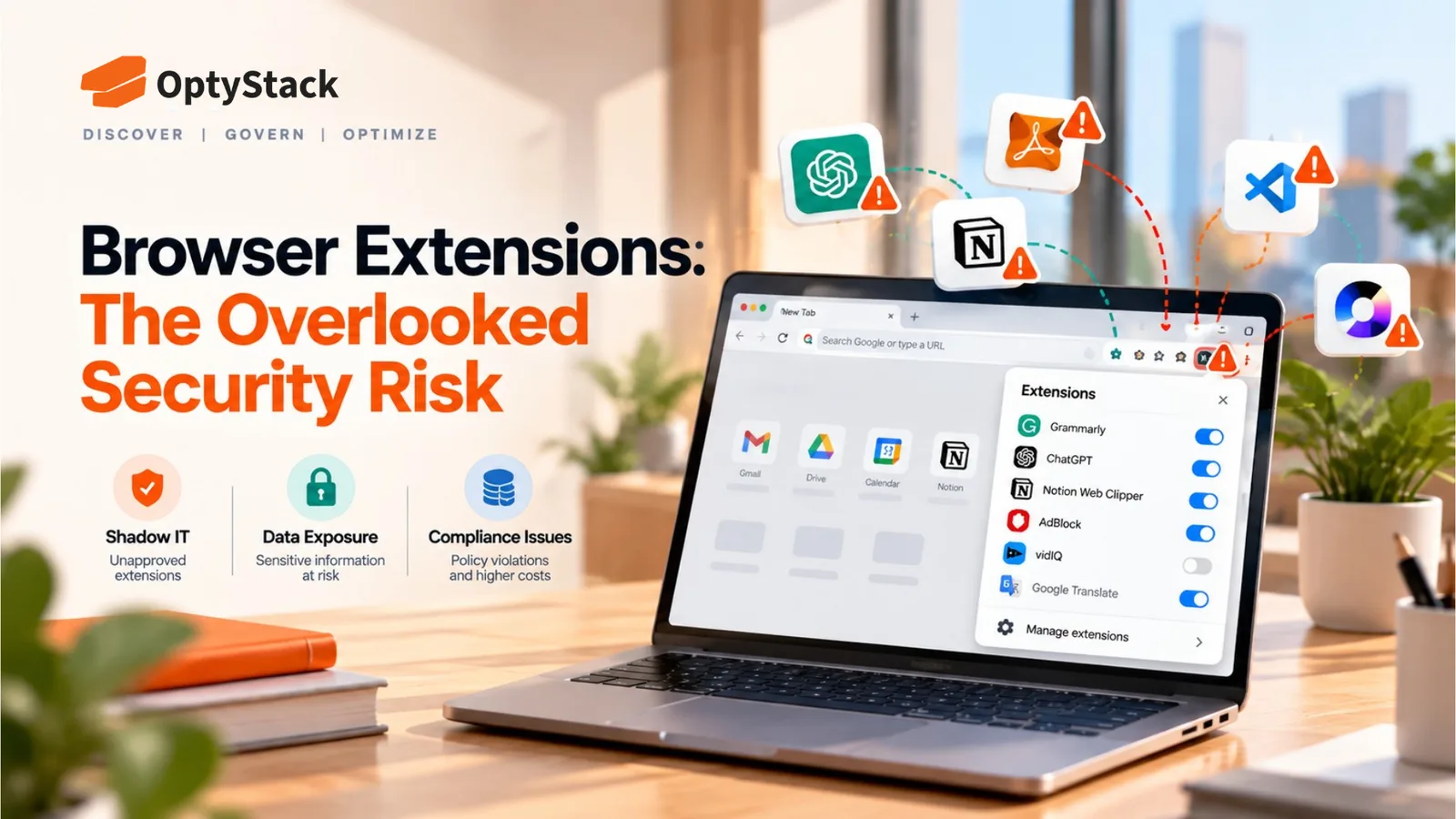
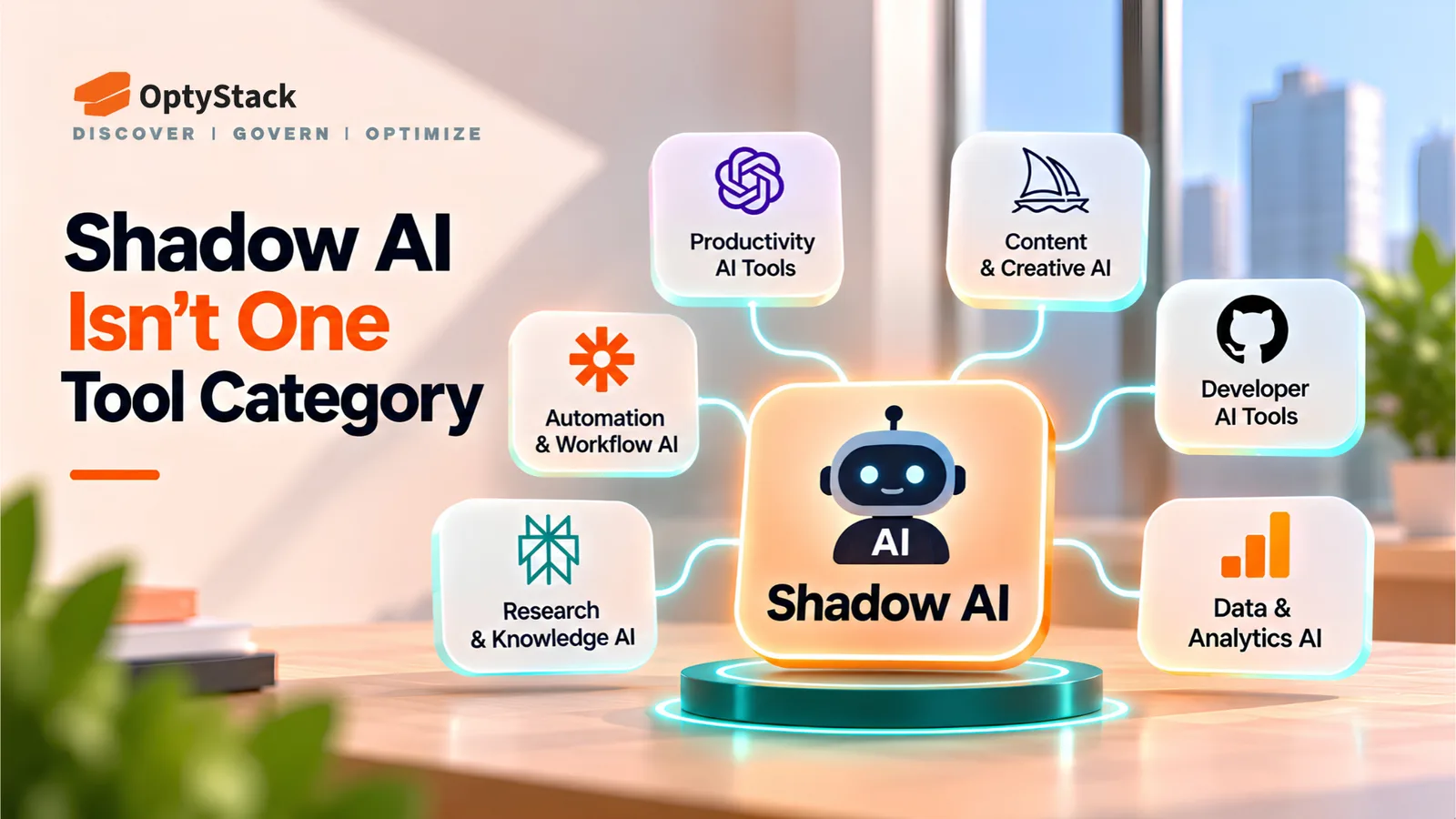
Unmanaged applications create blind spots for security (data exposure, weak authentication), for finance (duplicate spend, surprise renewals), and for compliance (unaudited subprocessors). A single unsanctioned file-sharing or AI tool can hold sensitive customer data without appearing on any official inventory.
Effective programs treat shadow IT as a signal about unmet needs. When discovery is continuous and tied to business context, organizations can sanction, consolidate, or retire tools with clear rationale rather than blanket bans.
Building an inventory you can trust
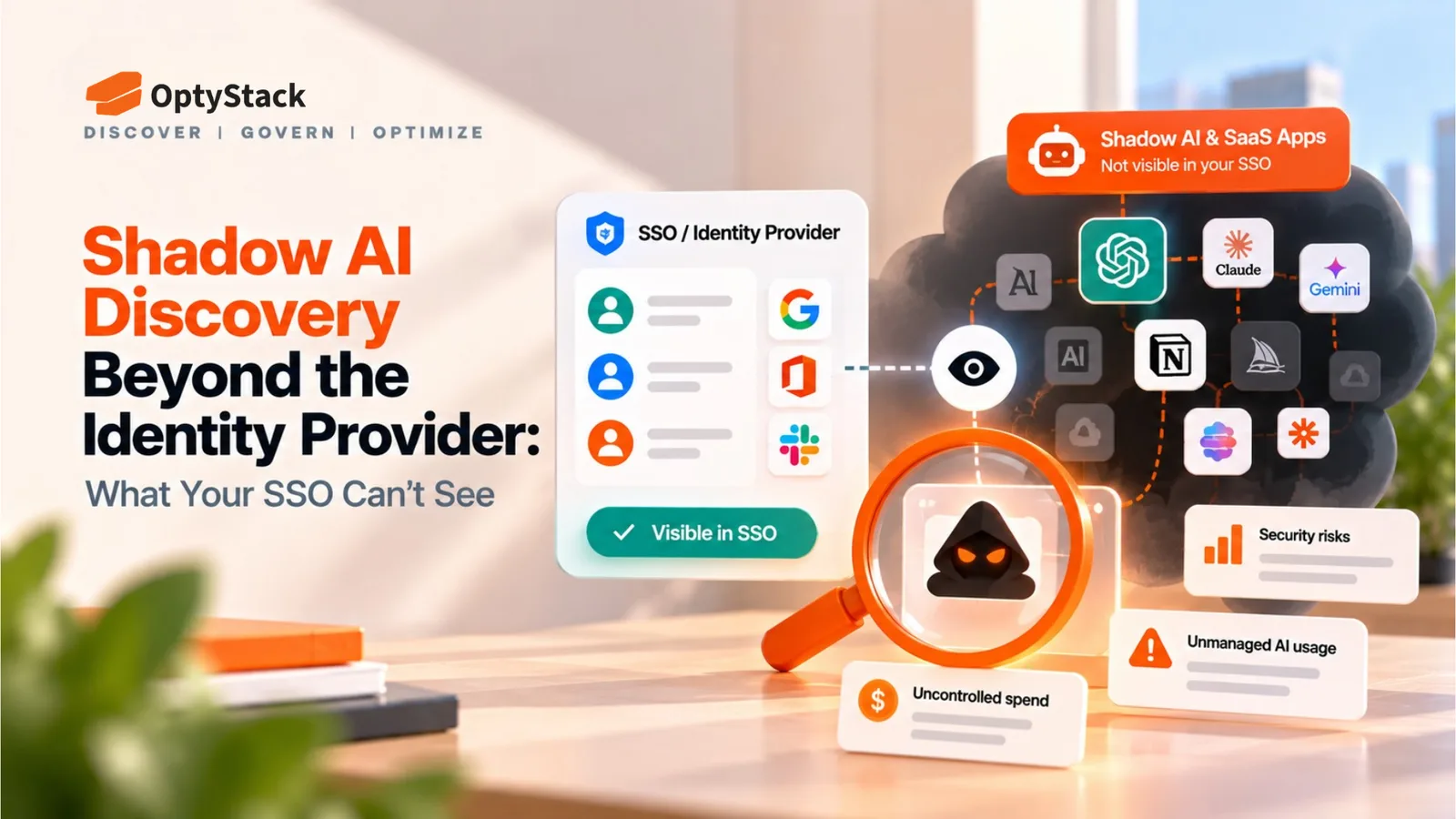
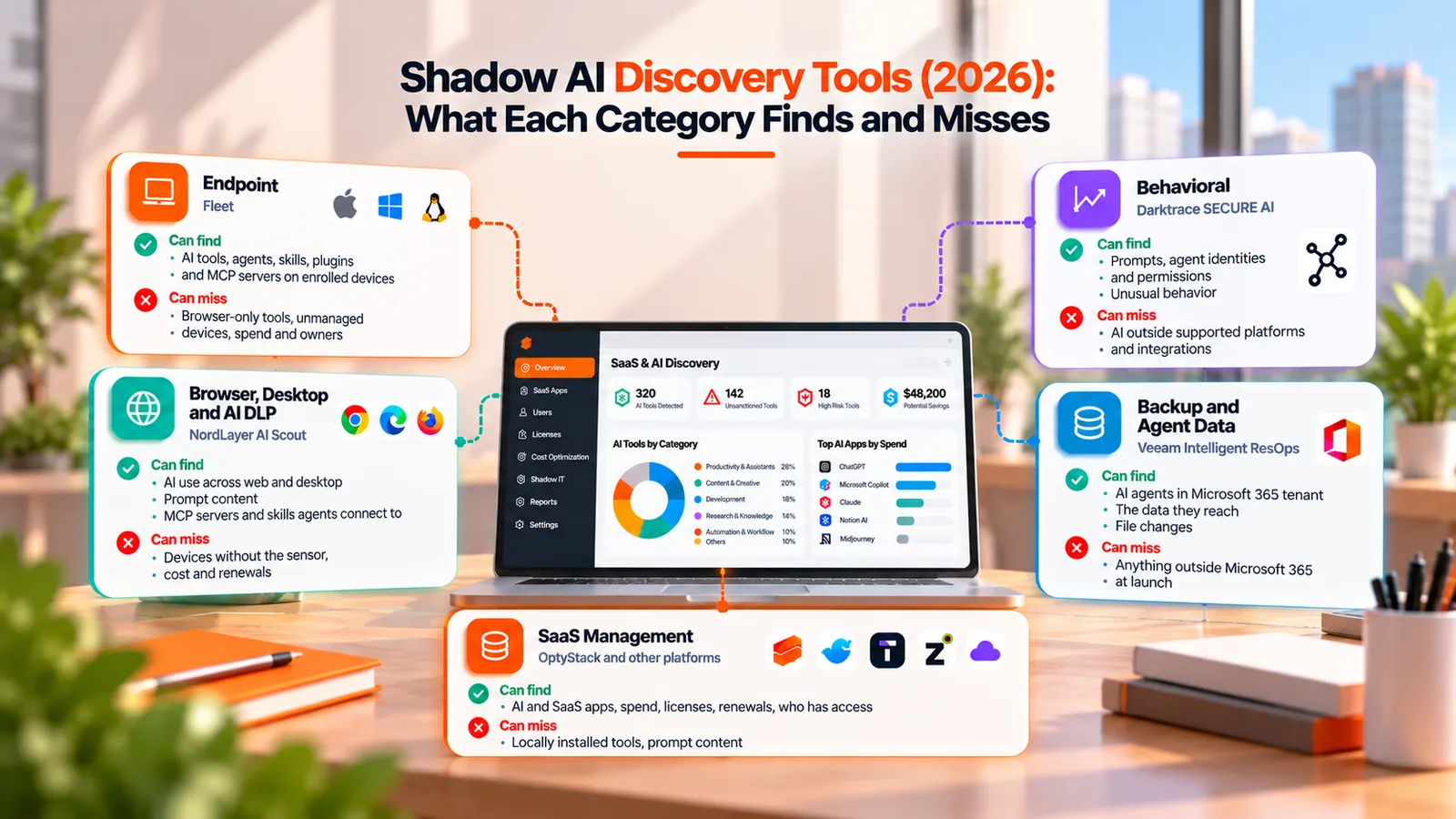
Reliable discovery combines signals from identity (SSO, IdP logs), spend (accounts payable, corporate cards), endpoint and browser telemetry where appropriate, and network metadata. No single source is complete; correlation across sources reduces false positives and reveals shadow SaaS that never touched SSO.
- Normalize vendors — Map legal names, DBAs, and card descriptors to a single application record.
- Attach ownership — Business owner, technical contact, and data classification for each app.
- Refresh continuously — New trials and expensed subscriptions appear weekly, not once a year.
From inventory to action
Once you see the full surface area, prioritize by data sensitivity, user count, and contractual exposure. High-risk shadow AI or CRM-like tools warrant fast review; low-risk niche utilities might be folded into sanctioned alternatives over time. The goal is measurable risk reduction and cost avoidance, not a perfect catalog on day one.
OptyStack helps teams operationalize this loop: continuous discovery, policy-aware workflows, and executive-ready reporting so shadow IT becomes manageable rather than invisible.