SaaS Security Review: How to Build a Process That Works
Aryan Malik · September 8, 2026
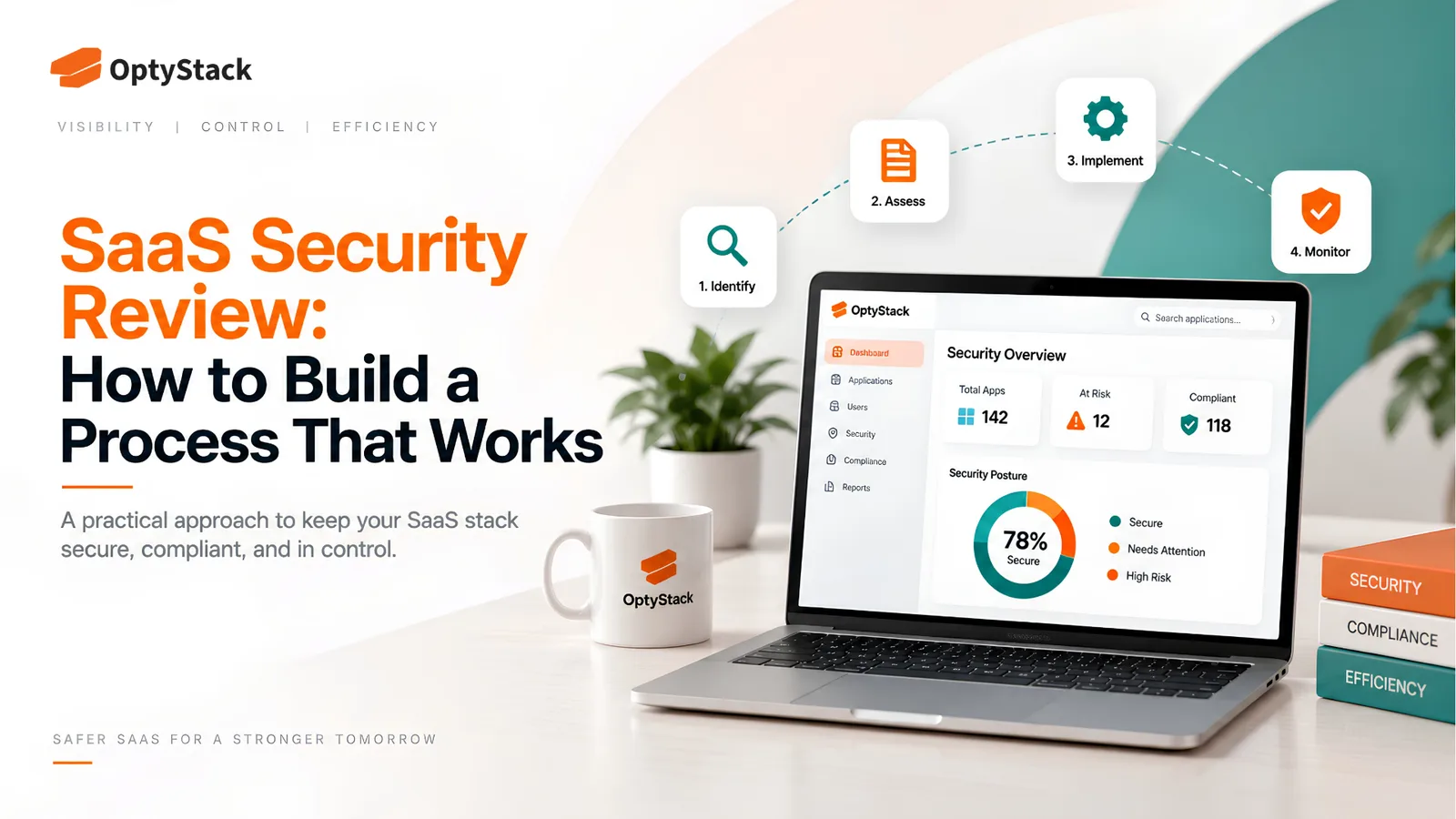
Most SaaS security reviews happen too late, evaluate a self-reported questionnaire instead of real evidence, and aim for a pass or fail when risk isn't actually binary. Here's how to build a review process that catches real risk, including the tools that never go through one at all.
Most SaaS security reviews happen after the decision to buy has already been made, evaluate a completed questionnaire that records what a vendor says rather than what it actually does, and aim for a pass or fail verdict when the more useful outcome is a set of contract terms and a monitoring plan proportional to the actual risk. Getting any one of those three things wrong is enough to turn a security review into a formality that doesn't actually reduce risk.
Building a review process that works means fixing the timing, the evidence you're actually looking at, and what you do with the result.
Why most review processes don't actually work
The review happens after the business has already committed. By the time security gets looped in, a team has often already picked the vendor, started onboarding, or connected the tool to real data. At that point, the review becomes a rubber stamp on a decision that's functionally already made, since blocking it now carries real organizational cost that blocking it earlier wouldn't have.
A completed questionnaire is treated as the finish line. A security questionnaire captures what a vendor claims about its own controls. It's a reasonable starting point, but it's self-reported, and it says nothing about whether those controls are actually operating as described. Treating the questionnaire as the review, rather than the first input into one, misses most of the actual risk.
The outcome is binary when the risk isn't. A pass or fail verdict works poorly for the wide range of actual vendor risk a company takes on. A tool with read-only access to non-sensitive data and a tool with write access to customer financial records don't need the same review depth, but a binary process often treats them the same way.
What a working review process actually evaluates
Data sensitivity and access depth, before anything else. What data will this tool actually touch, and how deep is its access, read-only, read-write, admin-level? This single question should determine how much scrutiny everything else in the review gets, since a low-access tool touching non-sensitive data doesn't need the same depth as one with broad access to regulated information.
Real evidence of the certifications a vendor claims. SOC 2 reports are commonly requested during enterprise SaaS security reviews, while ISO 27001 is widely used as an international information-security certification. The review should confirm the report actually covers the systems and time period relevant to your relationship with the vendor, not just that a report exists somewhere.
How the vendor handles data at the end of the relationship. What happens to your data if you cancel, and how quickly is it actually deleted? This is a specific, answerable question that a lot of reviews skip entirely, and it matters more than it seems until the moment you actually need the answer.
Subprocessor and fourth-party exposure. A vendor's own security posture doesn't tell you about the subprocessors it relies on for hosting, analytics, or other functions. A review that stops at the vendor's own controls without asking who they depend on is only seeing part of the actual risk chain.
Baseline technical controls relevant to how the tool will be used. Multi-factor authentication, single sign-on support, role-based access controls, and encryption standards for data at rest and in transit are increasingly treated as minimum requirements rather than differentiators, and a vendor that can't meet them is a meaningfully different risk than one that can.
Building the process, step by step
Move the review earlier, ideally before a contract gets signed. A review run before commitment can actually influence the decision, negotiate contract terms, or walk away entirely. A review run after can only document risk that's already been accepted.
Tier the depth of review to the risk of the tool, not a single standard process for everything. A simple three-tier model works for most companies: high-risk tools touching sensitive data get full review depth, moderate-risk tools get a lighter but still real check, and low-risk tools get a fast, minimal pass. This keeps the heaviest scrutiny where it actually matters instead of spreading effort evenly across tools with very different risk profiles.
Decide what happens when a review finds a problem, before you're in the middle of one. The answer doesn't always have to be rejection. A high-risk finding can lead to additional contractual protections, narrower permissions, compensating controls, a remediation deadline, or a decision not to proceed at all. The important part is documenting why the residual risk was accepted and who accepted it, so the decision holds up under scrutiny later rather than existing only as someone's verbal judgment call.
Treat the questionnaire as a starting point, not the deliverable. Use it to identify what to verify further, not as evidence in itself. Following up on specific claims, requesting the actual audit report rather than a summary, asking direct questions about subprocessors, is where a review actually earns its value.
Build monitoring into the outcome, not just an approval decision. A vendor approved today isn't automatically still low-risk a year from now. The review process should produce a reassessment cadence, more frequent for higher-risk vendors, rather than treating approval as a one-time, permanent decision.
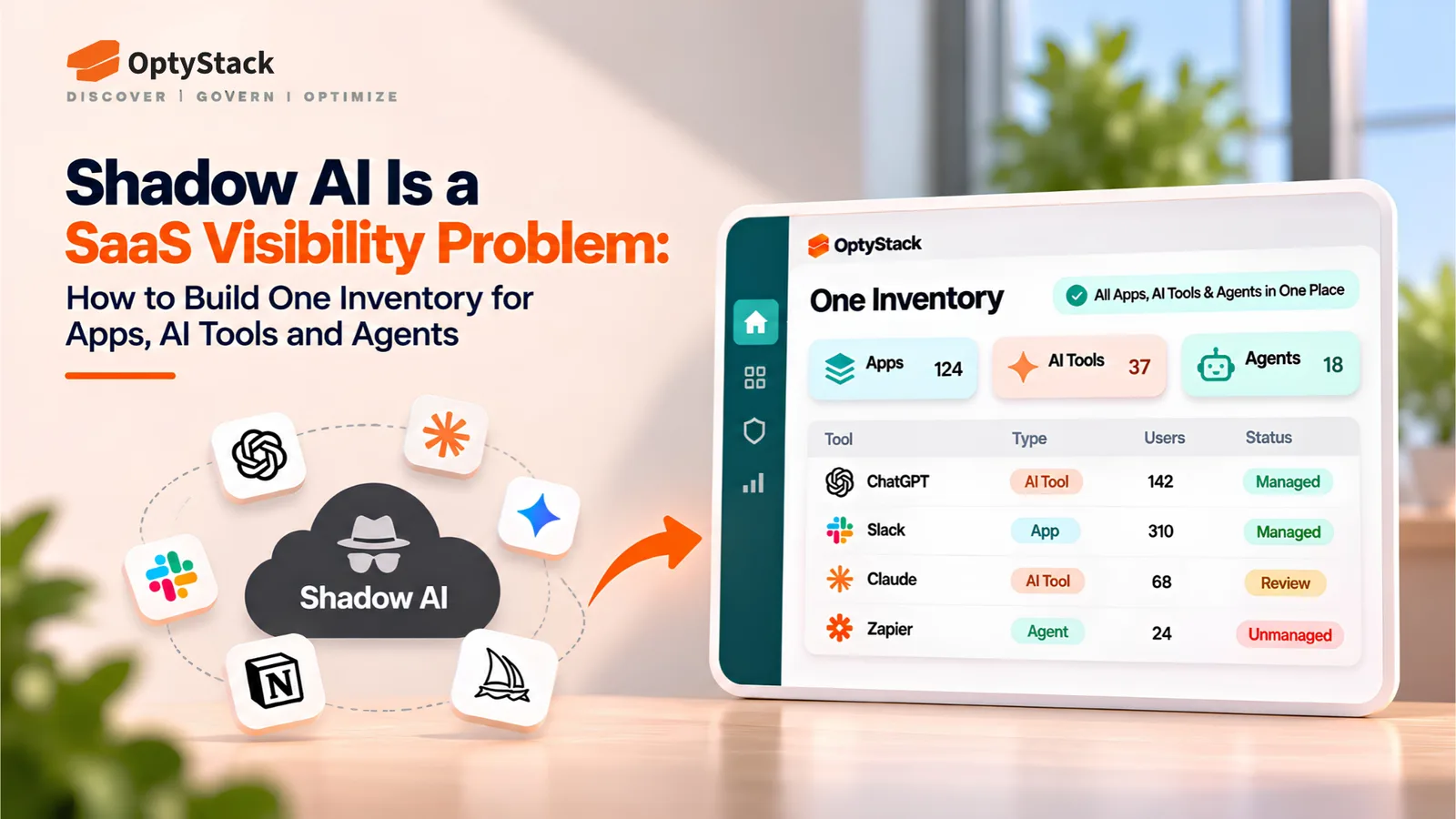
Extend the same review discipline to tools adopted outside a formal process. Shadow IT and shadow AI tools never go through this process at all by definition, which means the tools most likely to carry unreviewed risk are exactly the ones this whole system was never designed to catch. Finding them is a precondition for reviewing them.
Where OptyStack fits
Knowing which tools actually need a security review in the first place requires knowing which tools exist, including the ones adopted outside a formal procurement process, before you can even begin evaluating their risk.
OptyStack surfaces applications across your SaaS estate, including shadow IT and shadow AI tools that never went through a formal review, so security teams know what needs assessing instead of only reviewing the vendors that happened to come through the front door.
It's free to start and doesn't require a credit card.
See what's in your stack that needs a security review. Start free with OptyStack.