Why SaaS Spend Management Matters in 2026
Amit Dangi · May 5, 2026

The average US company now subscribes to over 130 SaaS tools and quietly wastes nearly a third of that spend every single year. In 2026, that's not just inefficiency. It's a strategic crisis hiding in your finance team's spreadsheets.
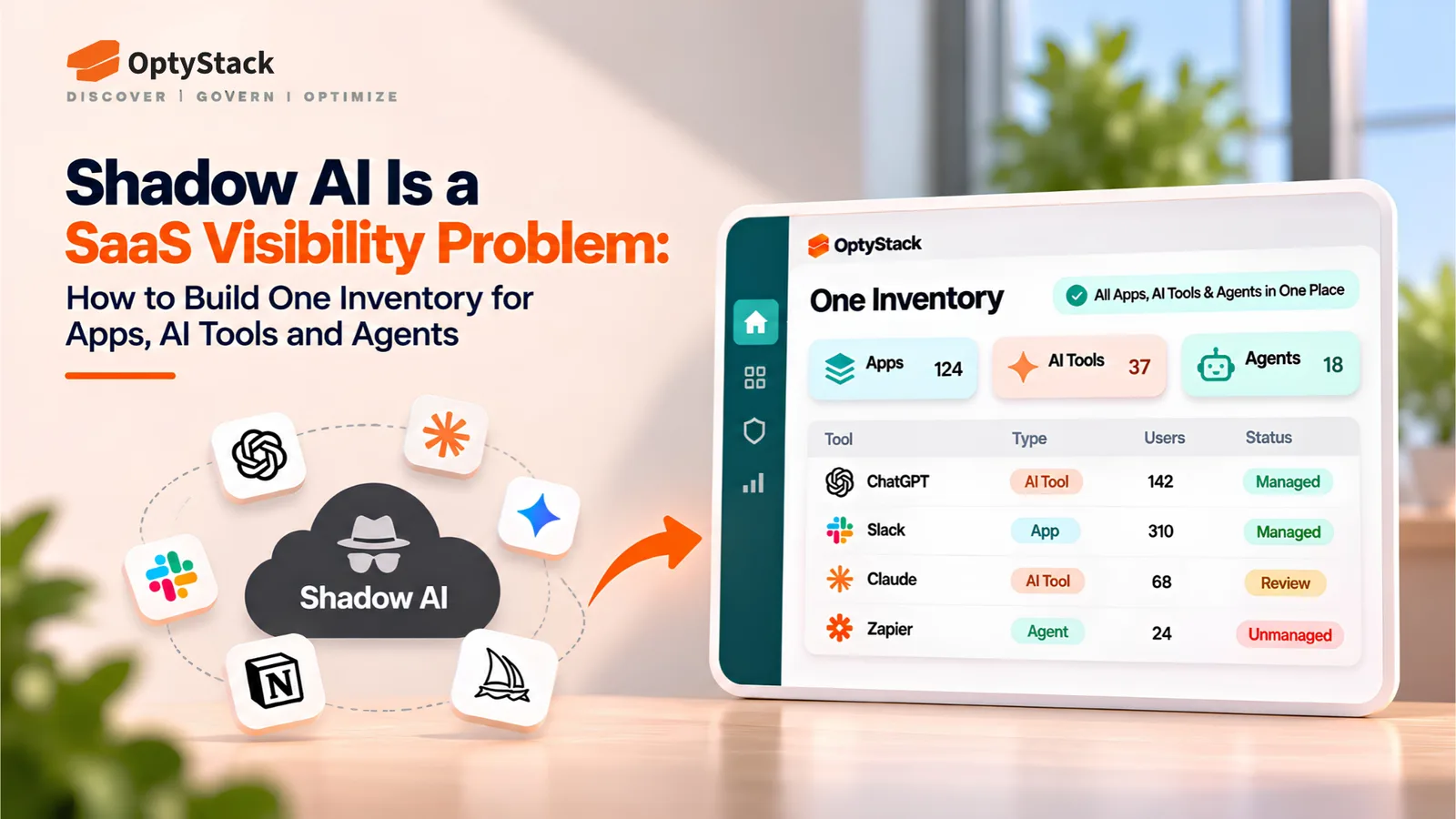
The SaaS revolution promised to make software cheaper, more flexible, and easier to manage. And for the most part, it delivered. But there's a side effect nobody planned for: SaaS sprawl. As companies adopted cloud tools faster than they could govern them, a shadow economy of forgotten subscriptions, duplicate licenses, and unmanaged renewals quietly inflated operating costs at every level of the organization.
In 2026, with tighter budgets, higher interest rates, and investors demanding leaner operations, the free pass is over. Finance leaders, IT teams, and procurement departments are finally being asked the uncomfortable question: do you actually know what software you're paying for?
These numbers aren't theoretical. According to Gartner's research on SaaS management, organizations consistently underestimate the volume of applications in their environment — often by a factor of two or three. That gap between perception and reality is where your budget disappears.
The Real Cost of Ignoring SaaS Spend
Most conversations about SaaS waste focus on the obvious: licenses nobody uses. But the true cost runs deeper. There's the cost of duplicate tooling — three departments each paying for separate project management platforms because procurement was never centralized. There's the cost of auto-renewals that quietly roll over while your team is heads-down on a product launch. And there's the cost of compliance exposure — tools with access to sensitive data that your IT team doesn't even know exist.
"Shadow IT isn't a technology problem. It's a visibility problem. You can't govern what you can't see — and most companies are effectively blind to a third of their software stack."
According to Flexera's State of Tech Spend report, IT asset management is consistently ranked among the top priorities for CIOs — yet the gap between intent and action remains wide. The tools to solve this problem haven't always been accessible or affordable for mid-size companies. Until now.
What's Changed in 2026
Three forces have converged to make SaaS spend management non-negotiable in 2026.
First, the SaaS market is enormous and still growing. Global SaaS spending is projected to reach $1.13 trillion by 2032, and SaaS is expected to account for 85% of all business software used today. The more your stack grows, the harder it becomes to manage without dedicated infrastructure.
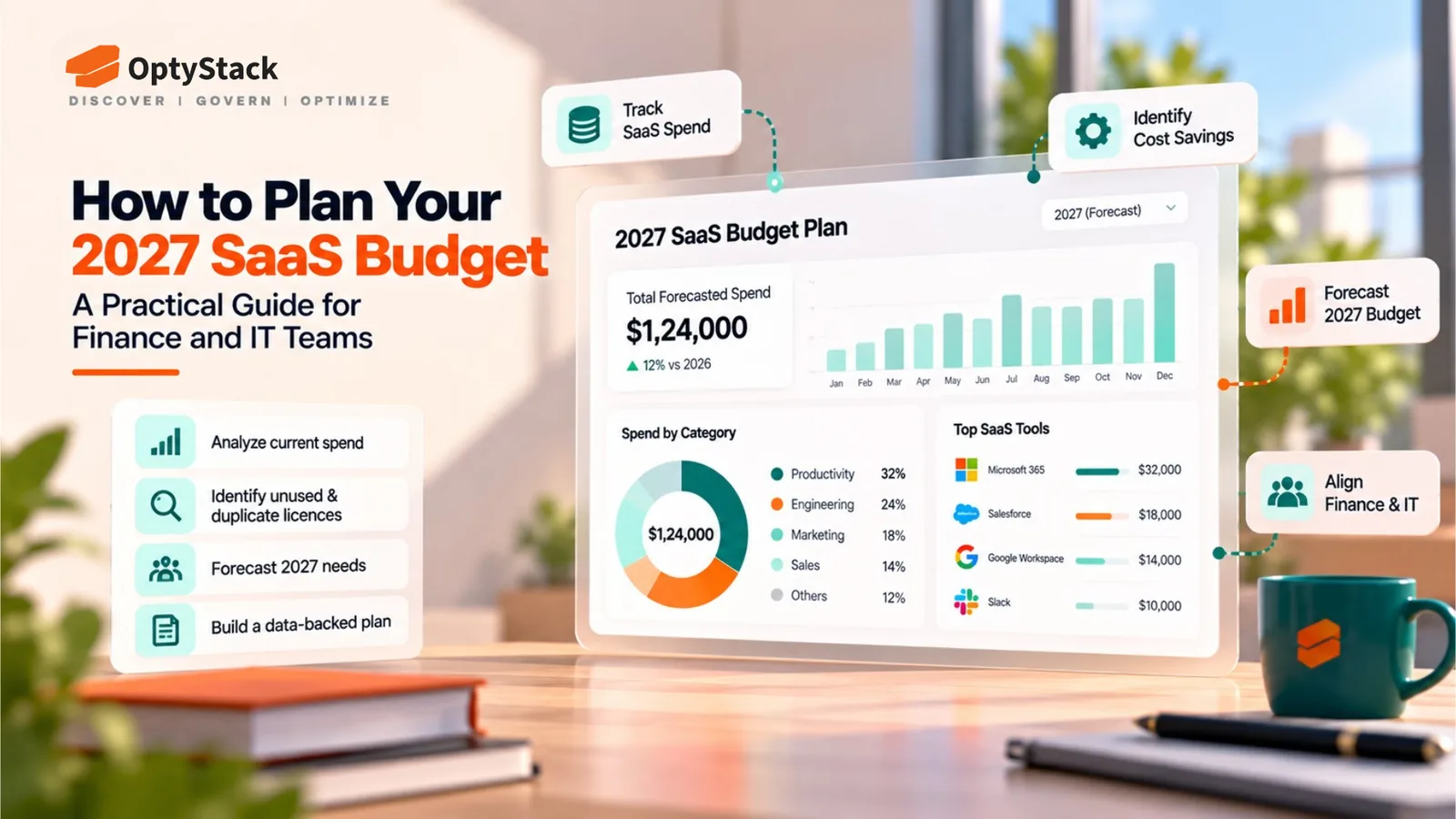
Second, economic pressure has changed the conversation. The era of "growth at all costs" is over. CFOs are scrutinizing every line of operating expense, and software spend — which can represent 15–30% of operating costs at tech-forward companies — is firmly in the crosshairs. Teams that can demonstrate they're optimizing their SaaS stack have a measurable advantage in board-level conversations.
Third, the regulatory environment is tightening. With frameworks like SOC 2, ISO 27001, and evolving US data privacy laws demanding stricter access governance, the days of informal SaaS adoption are numbered. Knowing who has access to what — and being able to prove it — is no longer optional for companies with enterprise ambitions. ISACA's research on shadow IT risks outlines just how exposed most organizations remain.
The Five Pillars of Effective SaaS Management
Getting control of your SaaS spend isn't just about cutting subscriptions. It requires a systematic approach across five interconnected areas:
Discovery:Automatically detect every SaaS app in use across your organization, including shadow IT tools adopted without IT approval.
Usage monitoring:Track who is actually using what, how often, and whether the license tier matches real-world needs.
Renewal management:Get ahead of auto-renewals with contract alerts, so you negotiate from a position of information rather than scramble at the last minute.
License optimization:Identify unused or underutilized seats and either reclaim, reassign, or eliminate them — generating immediate savings.
Centralized governance:Create a single source of truth for your entire SaaS stack that finance, IT, and procurement can all rely on.
According to McKinsey's analysis of SaaS optimization opportunities, companies that implement structured spend management processes see 20–30% cost reduction within the first year — without sacrificing functionality or employee productivity. The savings are there. They're just invisible without the right tools.
Why Mid-Size Companies Are Most at Risk
Enterprise companies with 5,000+ employees often have dedicated FinOps or IT asset management teams. Startups with 10 people can track their stack in a Google Sheet. But mid-size companies — the 50 to 2,000 employee bracket — sit in a dangerous middle ground. They've grown complex enough that informal tracking breaks down, but often haven't yet invested in the infrastructure to replace it.
This is where the damage accumulates. A 200-person company running 130+ SaaS tools, with licenses distributed across departments that don't talk to each other, can easily burn $200,000–$400,000 annually on pure waste. That's engineering headcount. That's a product investment. That's runway.
The Business Case for Acting Now
The question isn't whether SaaS spend management matters in 2026. It does. The question is whether you'll address it proactively or reactively. Companies that build visibility into their software stack now are better positioned for budget conversations, faster at onboarding and offboarding employees, more secure against access-related breaches, and more credible with investors who want to see operational discipline alongside growth.
The good news: the barrier to getting started has never been lower. Modern SaaS management platforms connect directly to your existing tools — Google Workspace, Microsoft 365, Slack, Salesforce — and surface savings opportunities within days, not months. Forrester's research on SaaS management platforms found that the ROI on these investments typically manifests within the first 90 days.
In 2026, spending money you don't need to spend is a choice. The data exists. The tools exist. The only thing missing is the decision to look.