ServiceNow AI Control Tower Alternative: How to Find Shadow AI Today
Aryan Malik · October 19, 2026
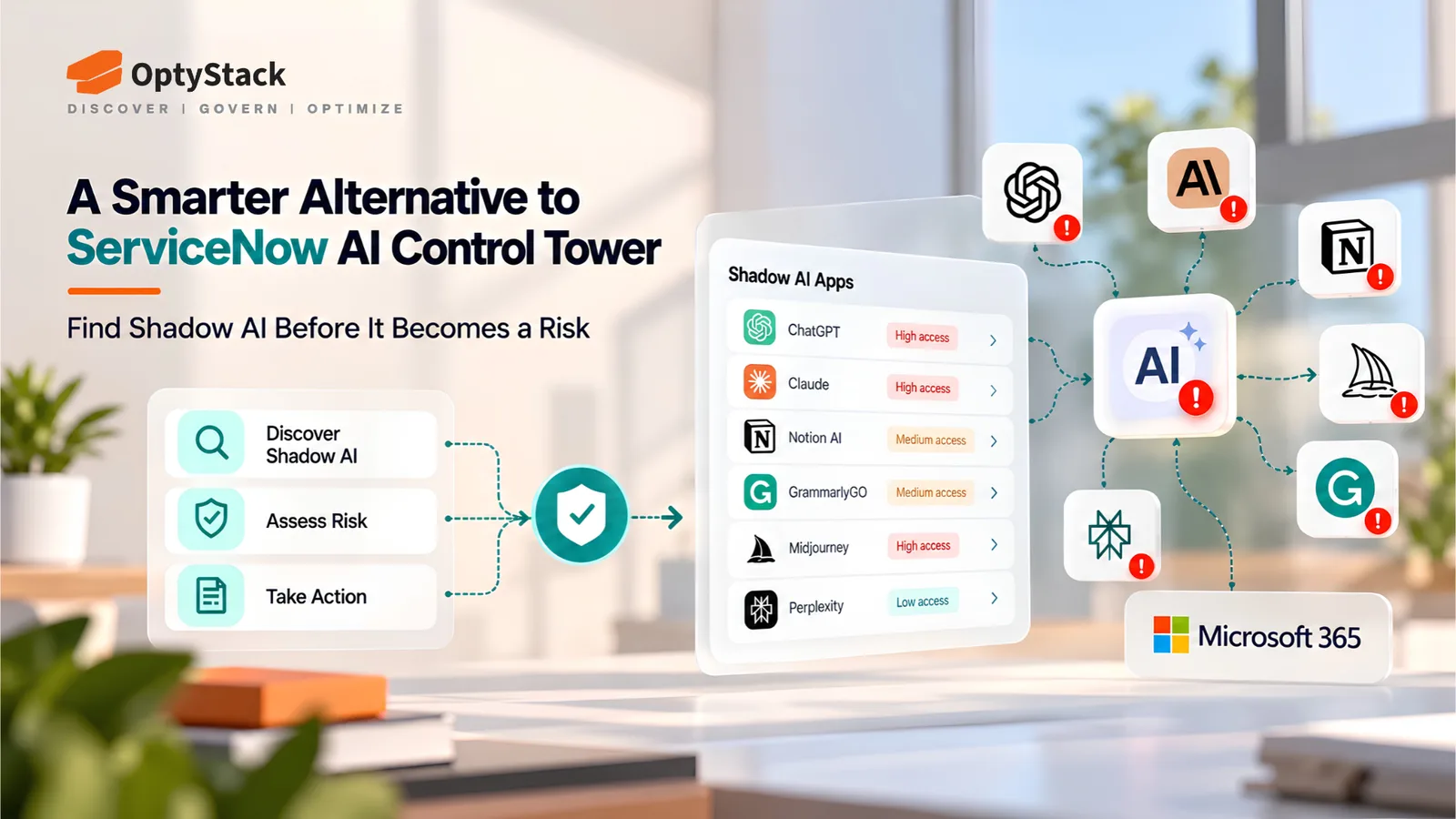
ServiceNow is expanding its AI governance platform with shadow AI detection and AI Cost Management. Learn how to compare its announced capabilities with SaaS management alternatives for application discovery, spend visibility and license optimization.
Why Teams Are Looking for a ServiceNow AI Control Tower Alternative
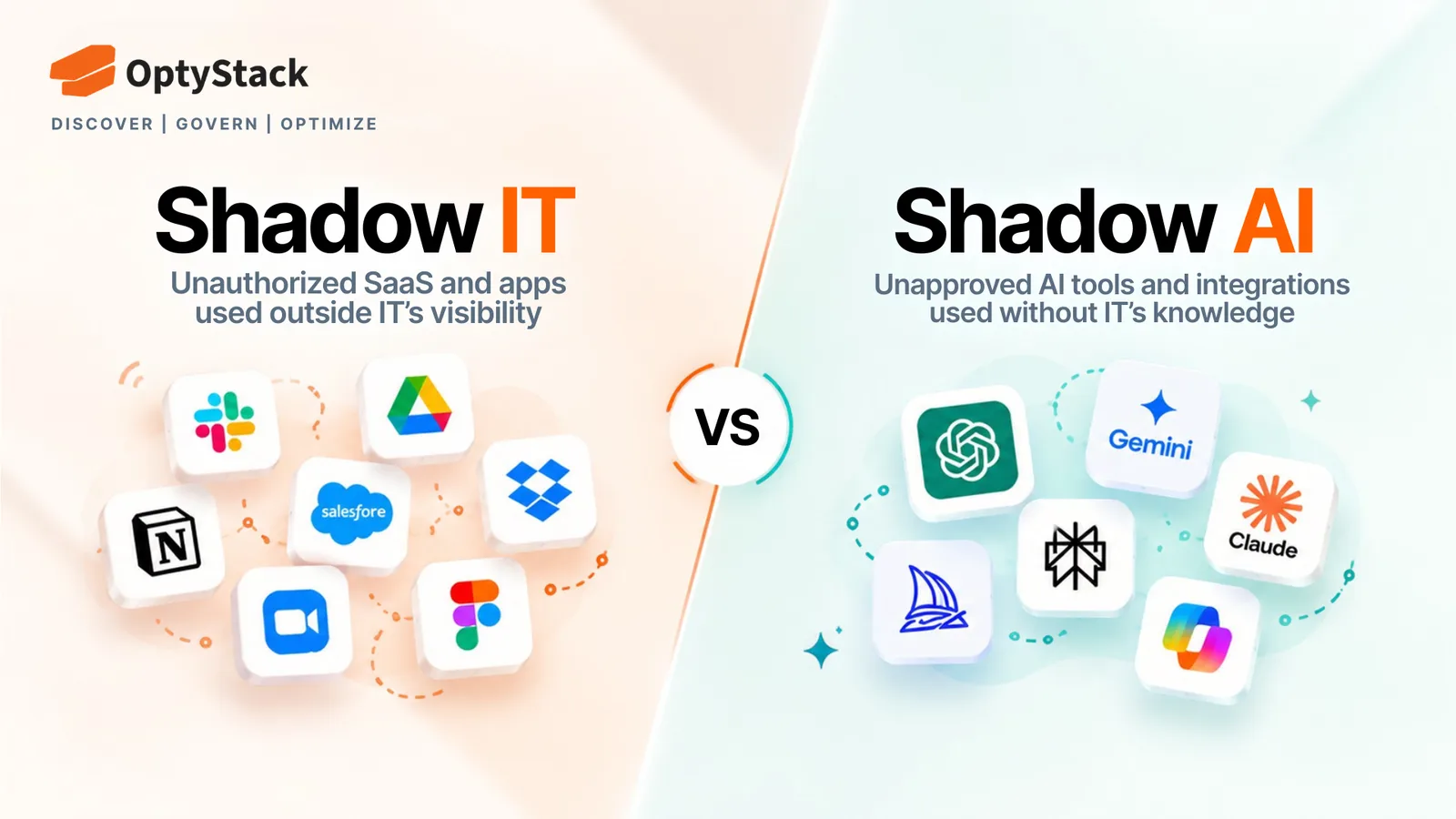
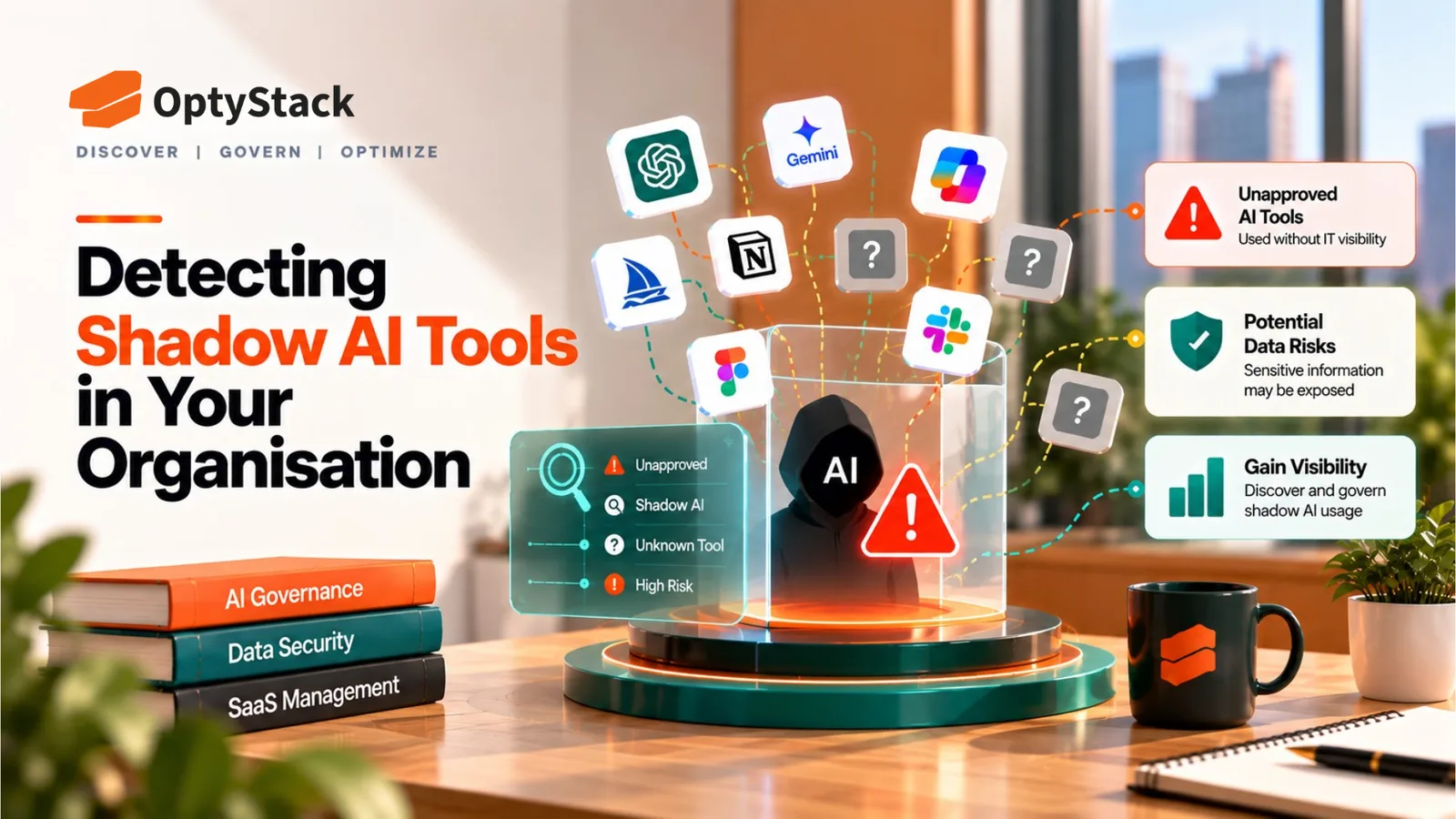
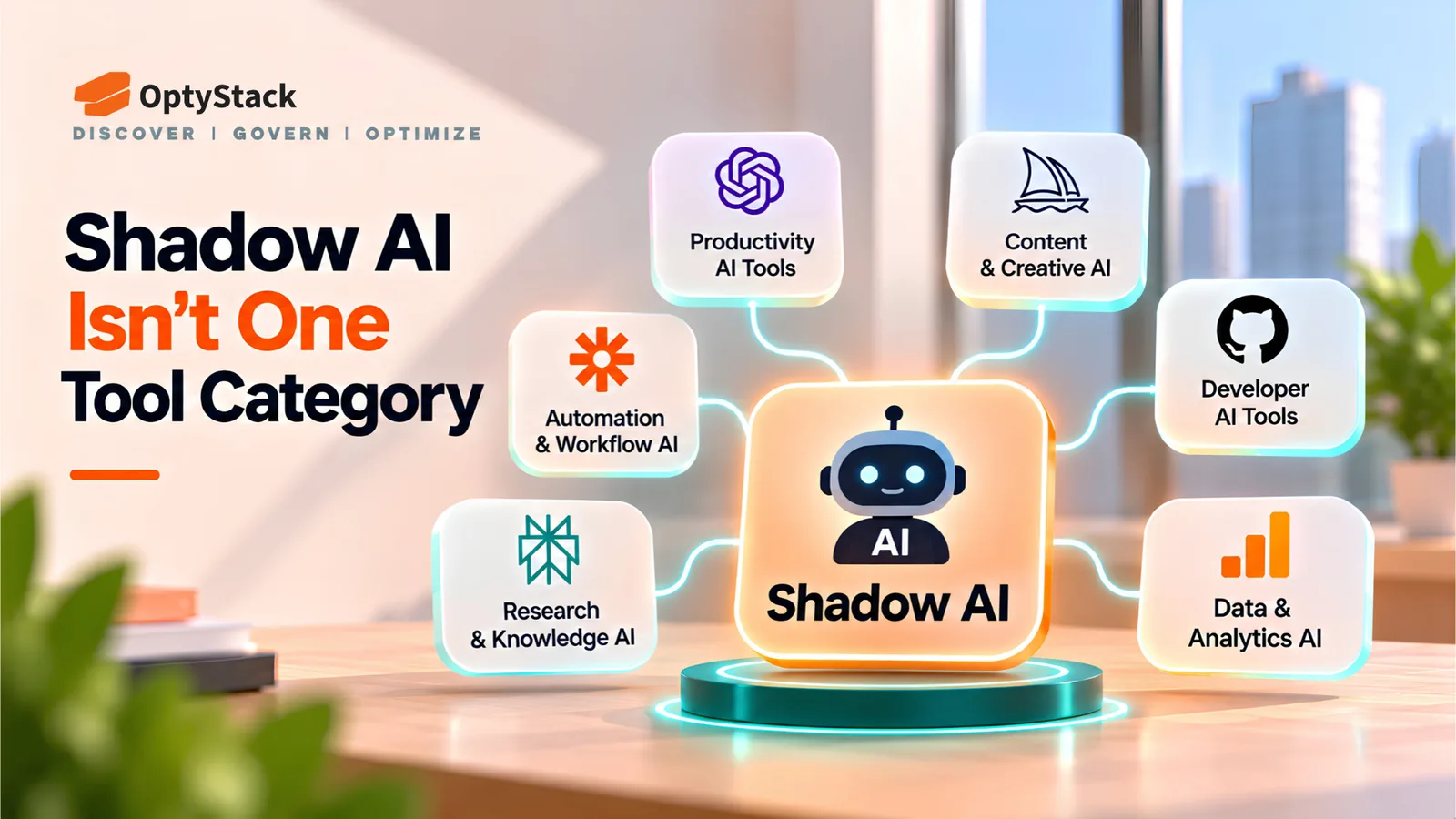
Employees can adopt AI tools faster than IT teams can approve them. A marketer signs up for an AI writing assistant, a developer connects a coding tool to company repositories, and a sales team starts using an AI meeting assistant. Each tool may solve a real problem. Together, they can create blind spots in security, software spending and data governance.
ServiceNow is expanding its AI governance capabilities through AI Control Tower. On October 15, 2026, the company announced new shadow AI detection and AI Cost Management capabilities, with availability expected in Q4 2026. These additions expand its approach to discovering AI usage, governing risk and understanding AI spending.
For organizations already using ServiceNow, extending an established enterprise platform may make sense. But teams whose immediate priority is discovering SaaS and AI applications, understanding their costs and identifying unused licenses may also want to evaluate a dedicated SaaS management platform.
The right choice depends on what you need to manage today, which integrations you already have and how much governance your organization requires.
What Is ServiceNow AI Control Tower?
ServiceNow AI Control Tower is designed to help enterprises discover, govern, secure, observe and measure AI across their environments. Its broader approach connects AI assets with enterprise context, risk controls, access information and workflows.
ServiceNow has announced additional capabilities over time. Its October 2026 announcement includes shadow AI detection and AI Cost Management, with availability expected in Q4 2026. Buyers should distinguish these newly announced features from existing capabilities and confirm the availability of each feature before making a purchasing decision.
This distinction matters when comparing alternatives. An organization looking for enterprise-wide AI governance and orchestration may have different requirements from a team that primarily wants to identify unapproved applications, review software spending and optimize licenses.
Before evaluating any alternative, define the problem you need to solve first: AI governance, application discovery, SaaS spend visibility or a combination of these.
What Should a Shadow AI Detection Tool Do?
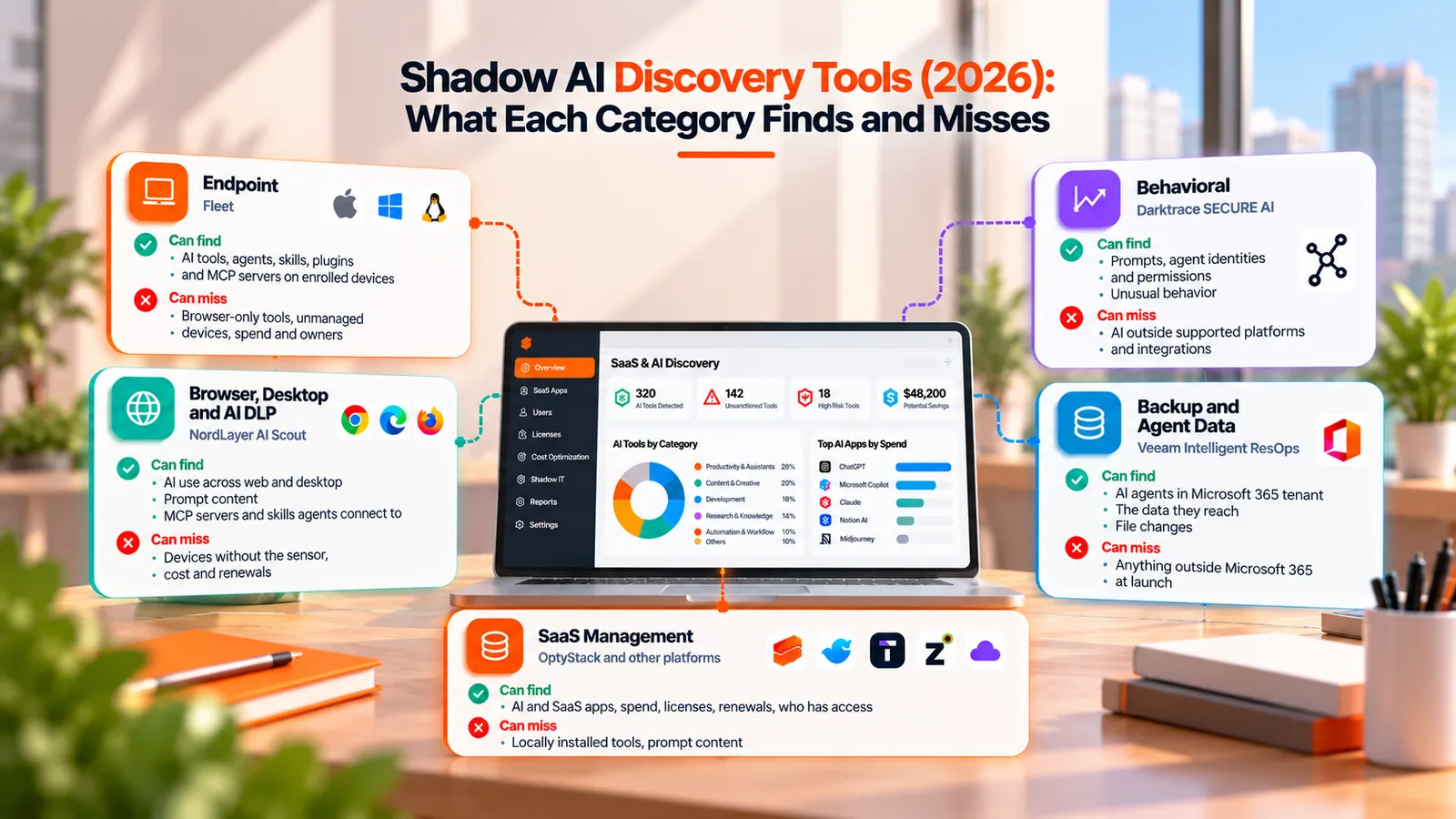
A useful shadow AI discovery tool should do more than provide a list of popular AI applications. It should help you identify what employees actually use, understand the available evidence and decide what needs attention.
1. Discover applications from multiple signals
No single source provides a complete inventory of AI usage.
SSO and identity signals: Reveal applications accessed through connected identity providers.
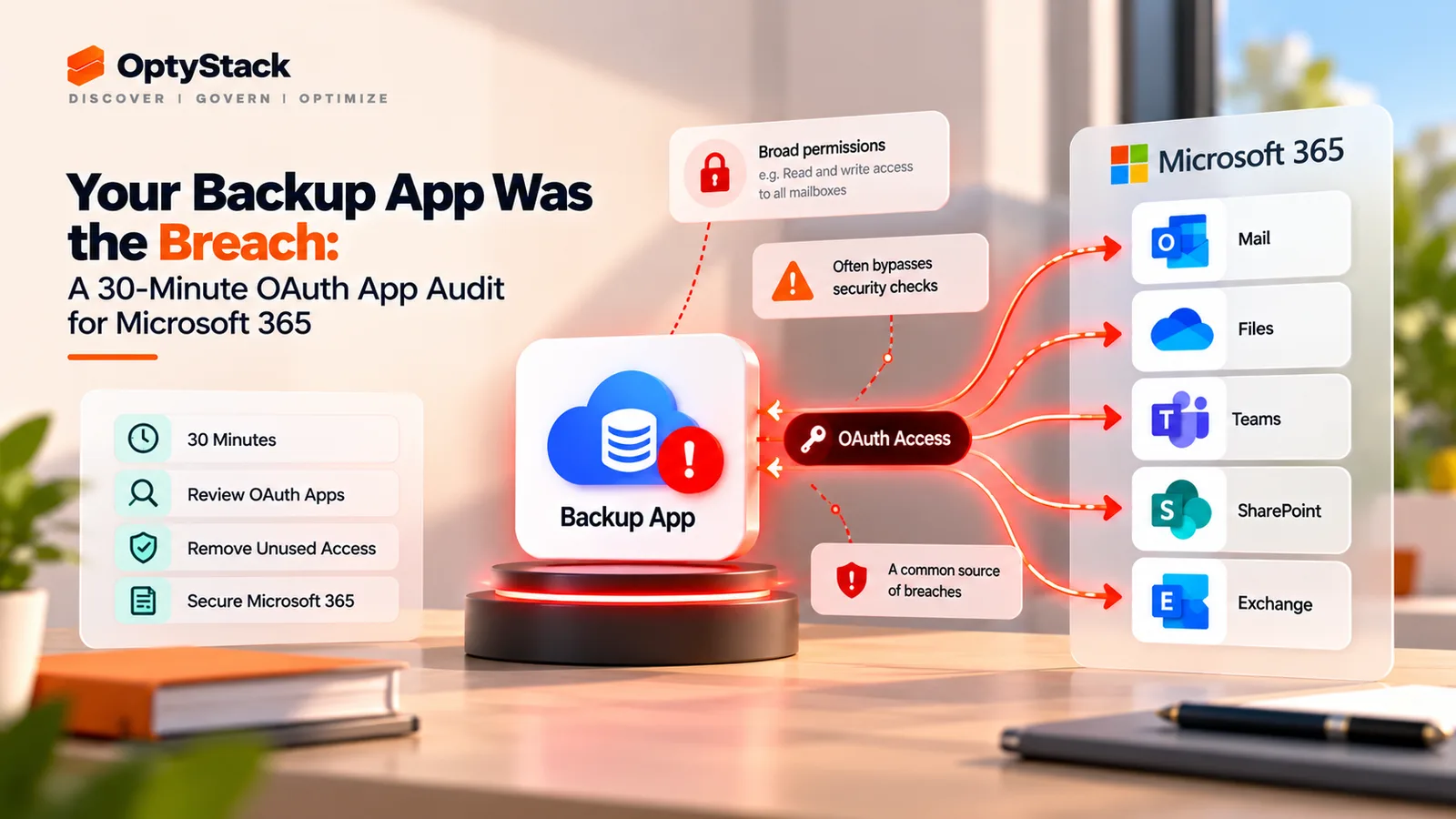
OAuth grants: Help identify third-party applications authorized to access Microsoft 365 or Google Workspace data.
Billing and expense data: Surface paid tools that may bypass centralized procurement.
Browser and usage signals: May reveal additional applications, depending on the platform and available integrations.
Combining these signals reduces blind spots. However, coverage depends on the sources connected and the information each source exposes. SSO alone will not reveal every application an employee uses.
2. Distinguish active usage from old registrations
An application registered months ago but rarely used may present a different priority from one accessed daily by multiple departments.
Look for available activity dates, usage patterns, license assignments and user counts. Ask vendors how they measure activity and whether the data represents actual usage or simply an application being connected to an identity provider.
This helps teams separate applications that deserve immediate investigation from those that may simply need an owner to confirm their status.
3. Connect discovery to spending
Finding an AI application is only the beginning. IT and finance also need to know whether it has paid seats, overlapping functionality, unused licenses or an upcoming renewal.
A useful platform should help turn discovery findings into decisions: approve the application, investigate its access, consolidate overlapping tools, recover unused licenses or review its renewal.
4. Make ownership and follow-up clear
Every application worth retaining should have a business purpose and an accountable owner. Without ownership, even a detailed inventory can become another spreadsheet that nobody maintains.
The platform should make it practical to assign responsibility, investigate unfamiliar applications and revisit decisions as usage changes.
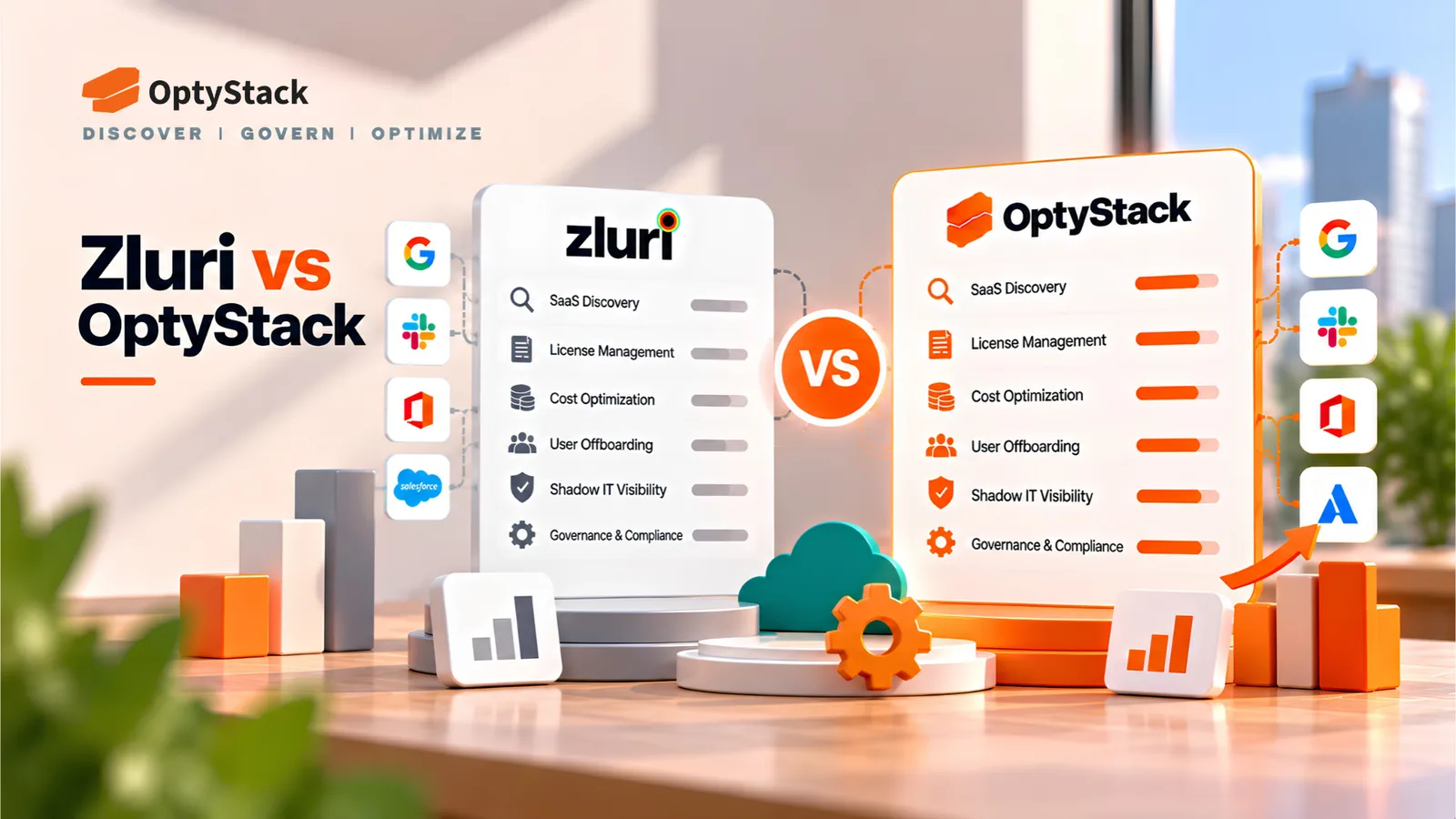
ServiceNow AI Control Tower vs. OptyStack
The right comparison depends on whether you need broad enterprise AI governance or more focused SaaS management capabilities.
Evaluation area | ServiceNow AI Control Tower | OptyStack |
|---|---|---|
Primary focus | Enterprise AI discovery, governance, security, observation and measurement | SaaS management, application discovery, spend visibility and license optimization |
Shadow AI | Shadow AI detection announced for Q4 2026; confirm current availability | Shadow AI application discovery is part of its SaaS management offering; verify required integrations |
AI governance | Broader enterprise governance and runtime controls, with availability varying by capability | Helps identify applications and bring available identity, billing and usage signals into an inventory; not a runtime enforcement platform |
SaaS spending | AI cost governance and AI Cost Management capabilities announced | SaaS spend visibility, license optimization and renewal management |
Existing environment | Particularly relevant to organizations invested in ServiceNow workflows and enterprise systems | Relevant to teams looking for dedicated SaaS management and application visibility |
Pricing | Confirm applicable licensing, packaging and total cost with ServiceNow | Public pricing is available on the OptyStack pricing page |
Best evaluation question | Does it meet your wider enterprise AI governance and operational requirements? | Does it provide the application discovery, SaaS spend and license visibility your team needs? |
This is a comparison of product focus, not a claim that one platform can replace every capability of the other. Feature availability, integrations, licensing and implementation requirements should be confirmed directly with each vendor.
Where the Mid-Market Fit Matters
A company already standardized on ServiceNow may prefer to extend its existing environment rather than introduce another platform. Its established workflows, governance processes and enterprise data may make that approach practical.
A smaller IT team may have a narrower immediate problem: identifying unapproved applications, reviewing software costs, finding unused licenses and tracking renewals. For that team, the evaluation may center on setup effort, supported integrations, reporting clarity and the ongoing work required to maintain an accurate inventory.
Before choosing a tool, ask:
How quickly can we connect our existing identity and productivity systems?
Which integrations are available today, and what prerequisites do they have?
Can finance and IT use the same application and spending data?
What administrative work is required after initial setup?
Which capabilities require another product or additional licensing?
Avoid choosing solely on the breadth of a feature list. Evaluate how well the platform handles your actual environment and priorities.
Why Combining Application Discovery and SaaS Spend Matters
Consider a company that discovers three AI writing tools used across marketing, sales and customer success. The inventory reveals which applications are present, but it does not automatically tell the team which subscriptions should be retained.
To make that decision, IT and finance need additional context: who uses each tool, how much it costs, whether the licenses are active, whether functionality overlaps and when contracts renew.
Connecting application discovery with spend and usage information helps turn a list of tools into an actionable review. Teams can investigate unexpected applications, compare overlapping subscriptions, reclaim unused licenses where appropriate and prepare for renewals before commitments become difficult to change.
This is where SaaS management and broader AI governance intersect, even though they address different parts of the problem. Application inventory and cost visibility help teams understand their environment; identity controls and runtime security tools enforce what applications and agents are allowed to do.
How OptyStack Approaches Shadow AI Discovery
OptyStack is a SaaS management platform designed to bring application discovery, spend visibility, license optimization and renewal management into one view. It uses available identity, billing and usage signals to help teams understand which applications are present, what they cost and where follow-up may be needed.
For teams evaluating a ServiceNow AI Control Tower alternative, the decision comes down to the scope of the problem.
If you need broad enterprise AI governance, agent runtime controls and centralized policy enforcement, evaluate ServiceNow against those requirements. If your immediate priority is SaaS and AI application discovery, software spending, unused licenses and renewal visibility, evaluate OptyStack against those workflows.
OptyStack is not an identity provider or a runtime AI security platform. Discovering an application does not automatically revoke its permissions, block its use or enforce an AI agent's behavior. Those controls may require your identity provider, security platform or another specialized tool.
OptyStack's Free plan includes general application discovery, while unlimited Shadow AI Apps Discovery is listed under Pro. Check the OptyStack pricing page for current plan limits and available integrations. You can also review OptyStack's product capabilities to determine whether the platform fits your environment.
Five Questions to Ask Before Choosing a Shadow AI Tool
Before committing to any platform, use these questions in your evaluation.
What can you discover beyond SSO? Ask how the platform identifies applications that employees use outside your identity provider.
Can discovery be connected to spending? Check whether applications can be associated with license costs, usage and renewal dates.
Can you distinguish active from inactive use? Ask which usage signals are available and how activity is measured.
Which integrations work today? Request a list of supported integrations, prerequisites, limitations and any additional costs.
What happens after discovery? Confirm whether the platform supports approval workflows, access controls or remediation—or whether those actions require another product.
Ask vendors to demonstrate these workflows using your own environment or a representative test environment. A working demonstration is more useful than a feature list that mixes generally available capabilities with planned releases.
Final Thoughts
ServiceNow AI Control Tower is expanding its enterprise AI governance capabilities, including newly announced shadow AI detection and AI Cost Management features expected in Q4 2026. Organizations should evaluate those capabilities in the context of their existing ServiceNow environment, governance requirements and deployment timeline.
For teams whose immediate challenge is understanding which SaaS and AI applications are in use, what they cost and where licenses or renewals need attention, a dedicated SaaS management platform may be a better fit for that specific job.
The most useful next step is to evaluate your actual requirements, confirm which features are available now and test the integrations that matter to your organization.
Explore OptyStack's product capabilities or view pricing to see whether it fits your SaaS discovery and spend-management needs.