SaaS Offboarding: How HR and IT Can Prevent Access Gaps
Aryan Malik · September 10, 2026

Most offboarding failures aren't a missing checklist step, they're a delay in the handoff between HR and IT. Here's why that gap forms, what a coordinated process actually requires, and where access still slips through even when both teams are trying to do it right.
The security risk in most offboarding failures doesn't come from a missing step. It comes from a handoff. HR knows the termination date. IT controls the access. When those two facts live in different systems, checked by different people, on different schedules, the gap between them is where a former employee keeps a working login.
One 2026 industry analysis of offboarding workflows found that the average time between an employee's departure and access revocation runs over three days when the process is handled manually, driven almost entirely by how long it takes a termination to travel from an HR system into an IT action. Three days is a long time for a login to sit active with nobody watching it.
Why the handoff breaks, not the checklist
Most offboarding failures aren't a step someone forgot on a list. They're a delay in someone finding out there was a list to run in the first place. IT can only revoke access to what it knows about, and it can only act as fast as it learns a person has left.
HR owns the trigger, IT owns the action, and the two rarely share a system. A termination gets recorded in an HRIS. Someone then has to notice that record, translate it into IT tasks, and route it to whoever handles access for each individual tool. Every one of those steps is a place the process can stall, especially if it depends on a person remembering to send an email or file a ticket.
Voluntary and involuntary departures get treated the same way when they shouldn't be. A two-weeks-notice resignation and a same-day termination carry very different risk profiles, but a generic offboarding process often applies identical timing to both. Access for an involuntary departure ideally needs to be gone before the employee is even told, while a planned resignation allows for a more measured handoff.
Contractors and non-employees often fall outside HR's system entirely. If someone was never entered as a formal employee, there may be no HR record to trigger anything when their engagement ends, which means their access can simply be forgotten rather than deliberately revoked.
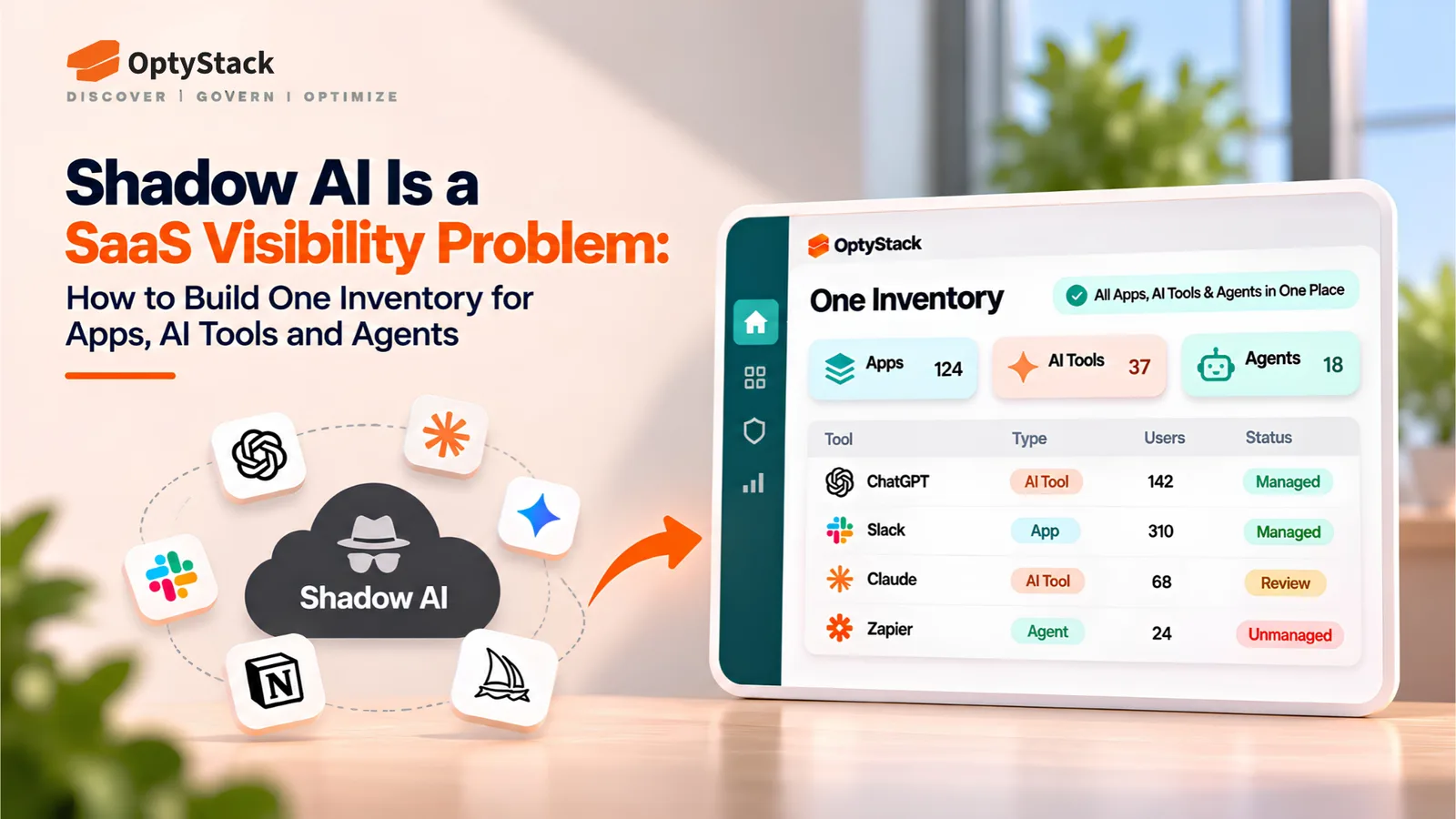
Shadow IT tools never enter either system. A tool an employee signed up for individually, outside any procurement or HR-linked provisioning process, isn't on IT's list to check and isn't tied to any HR trigger. Nobody's job includes closing an account nobody knew existed.
What a coordinated process actually requires
A single, unambiguous trigger event. The moment a termination date or status change is entered into the HR system should be the moment offboarding starts, not a separate manual step that depends on someone remembering to notify IT afterward. When IT relies on an email or a ticket from HR rather than a direct system connection, a gap gets built into the process by design.
A different timeline for different departure types. HR and IT should agree in advance on how voluntary and involuntary exits are handled differently, rather than improvising the distinction in the middle of an actual departure. For an involuntary termination, the practical target is revoking access before or during the termination conversation, not sometime after.
A complete list of what the departing person could access, not just what they were formally issued. This needs to include core platforms, department-specific tools, and any shared logins the role has historically required, since a checklist built only from what IT remembers assigning misses exactly the access most likely to be forgotten.
A clear owner for every step, on both sides. HR needs a defined responsibility to flag the departure with enough lead time to act. IT needs a defined responsibility to actually revoke access and confirm it, rather than assuming a ticket getting closed means the work is done.
A record of what happened and when. Documenting the date access was flagged, the date it was actually revoked, and who confirmed it isn't just useful for catching future gaps. It's the specific kind of evidence that a SOC 2 audit or a security review is likely to ask for directly.
Where the process typically still leaves gaps
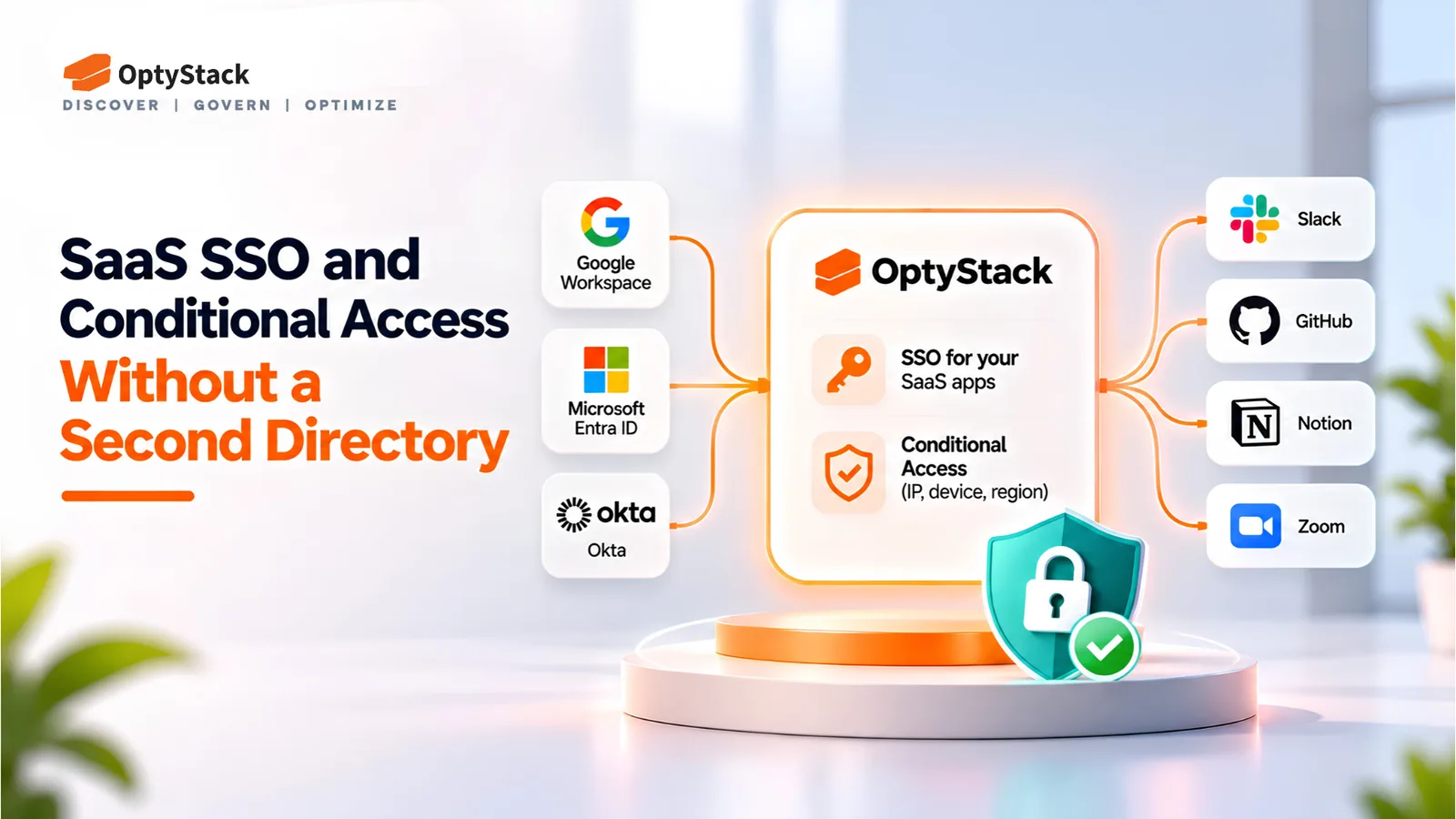
Access tied to tools outside single sign-on. Disabling someone's SSO account cuts off everything connected through it in one step, but any tool that was never wired into SSO, a personal free-tier signup, a shared team login, a locally stored API key, won't be touched by that action at all.
Role changes that never trigger a review. An employee moving to a new team accumulates the same kind of risk as someone leaving, just more slowly, and most offboarding processes are built only around the exit, not the internal transfer.
Licenses that get deactivated but never reclaimed. Turning off someone's login doesn't automatically free up the seat or stop the subscription from billing. Confirming the license itself is reclaimed is a separate step from confirming access is gone.
Where OptyStack fits
Knowing everything a departing employee had access to, including tools that were never centrally provisioned through IT or tracked against an HR record, is difficult to reconstruct by hand, especially once shadow IT is part of the picture.
OptyStack surfaces application and usage data across your SaaS estate, including tools adopted outside a formal process, so the access tied to a departing employee is visible in one place rather than something IT has to piece together across separate systems during an already time-sensitive handoff.
It's free to start and doesn't require a credit card.
See what a departing employee actually has access to. Start free with OptyStack.