How a SaaS Management Platform Changes Renewal Season
Meera Iyer · April 23, 2026
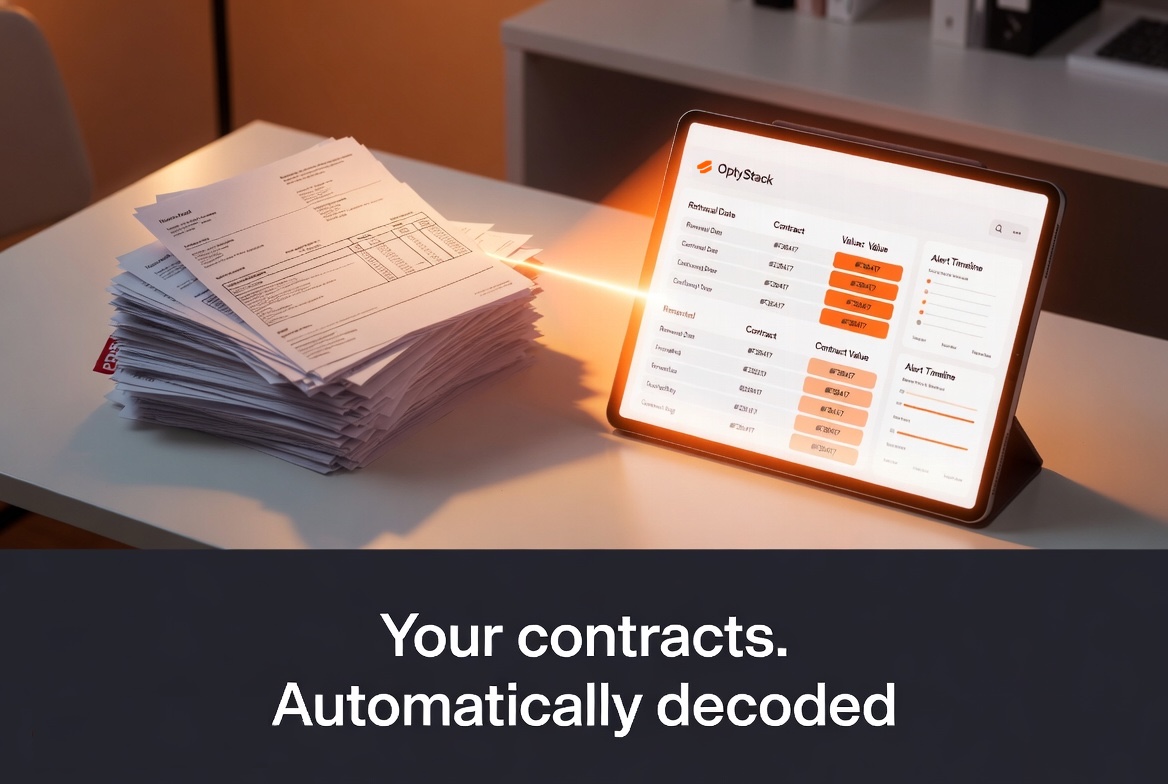
Renewal season becomes expensive when the vendor owns the timeline. This story shows how one procurement lead used a SaaS management platform to regain timing and negotiation leverage.
Rohan used to measure renewal season in calendar chaos. Every year began with good intentions, and every quarter ended with a burst of vendor emails, contract redlines, and internal Slack threads that carried too much urgency and too little context. Procurement always seemed to arrive at the table late, not because the team was careless, but because the software story was fragmented. Usage lived somewhere else. Spend records lived somewhere else. Ownership was trapped in memory and side conversations. A SaaS management platform entered the picture not as a procurement luxury, but as a way to stop time from belonging entirely to the vendor.
Why Renewal Season Felt Rigged
Before the platform, renewals arrived like surprises pretending to be routine. A contract would hit the sixty-day window and everyone would scramble to remember whether the product still matched current needs. Some tools had been resized informally during headcount changes without anyone revisiting the license tier. Others stayed bloated because nobody could gather evidence quickly enough to challenge the vendor. Internal teams felt rushed, vendors sounded confident, and procurement often inherited the task after leverage had already weakened.
Rohan realized that timing was the hidden tax. The company was not merely overpaying for software; it was paying a premium for making decisions too late. Every delayed review increased the chance of automatic renewal, shallow negotiation, or defensive internal debates that burned precious weeks.
What Early Visibility Actually Changed
Once the SaaS management platform was in place, renewals stopped appearing as isolated contract events. They became part of a queue with context. Rohan could see which contracts were approaching, which teams owned them, and where usage evidence suggested the scope might be too large. That seems obvious in theory, but in practice it transformed the operating sequence. Procurement could engage while there was still room to challenge, not just enough time to process paperwork.
The earliest wins came from seemingly unglamorous decisions. One team kept a vendor but cut unused seats. Another kept the contract term but asked for improved concessions because adoption had flattened. A third renewal exposed category overlap that leadership had tolerated only because nobody had stitched the evidence together before. The platform did not negotiate for the company, but it created the conditions for sharper negotiation.
How the Internal Tone Improved
Rohan noticed something else as the cycle matured: renewal meetings became less political. Department leaders were no longer entering the room expecting procurement to slash budgets on instinct. Procurement was no longer entering the room with only a contract value and a deadline. The company had a shared frame for the conversation. What is the app for now? How much of the contract is actually being used? What are the alternatives? What risk do we carry if we keep or change it? Better questions made people less defensive.
That emotional shift is easy to underestimate. Organizations often think renewal discipline is only about economics, but it is also about trust. If teams believe the process is arbitrary, they hoard arguments and delay engagement. If they believe the process is evidence-led, they participate earlier. The SaaS management platform helped create that second reality.
Why Procurement Wanted the Platform to Stay
By the end of the cycle, Rohan had reclaimed something procurement almost never has enough of: time with context. He could escalate fewer emergencies because there were fewer emergencies. Leadership reviews became more strategic because the company could distinguish between contracts that truly deserved protection and contracts that had been floating on inertia. Savings mattered, but the calmer decision environment mattered too because it reduced the organizational fatigue renewal season normally creates.
In the following quarter, procurement did not wait for the next crisis to justify the platform. The team had already seen what it looks like when software decisions arrive early enough to be shaped. That experience changed the standard. Renewal season no longer had to be a parade of urgent signatures. It could become a structured exercise in choosing what the business genuinely wanted to keep.
Renewal Lessons Worth Keeping
- Timing is often the biggest hidden cost in software renewals.
- A SaaS management platform improves leverage by surfacing contract context earlier.
- Evidence-led reviews reduce defensiveness and improve negotiation quality.
- The best renewal season is the one that feels less urgent because the queue was visible sooner.
Related Reading Inside the Same Journey
Rohan often points people to three related reads when they ask how renewals connect to startup sprawl, ROI, and executive reporting. For implementation perspective, start with The Hidden ROI Story Behind a SaaS Management Platform. For a different angle on value and governance, continue with How a SaaS Management Platform Supports Shadow AI Governance. Then round it out with SaaS Management Platform Lessons from a 60-Tool Startup Stack to see how the same SaaS management platform story changes depending on who is holding the problem.
Closing Reflection
A SaaS management platform changes renewal season by giving the company back its sequence. Instead of reacting at the edge of the deadline, teams gain the time to examine fit, usage, cost, and alternatives while those questions can still influence the outcome. That is how software contracts become choices again instead of obligations carried forward by inertia.
The vendors did not become less persistent, but the company became less vulnerable to persistence. That distinction is where procurement value lives.
When the timeline shifts in your favor, even the same contract conversation starts to feel completely different.
Rohan also began keeping notes on which negotiations improved simply because the team arrived earlier with better evidence. Those examples became useful proof when other leaders asked why renewal discipline deserved sustained attention.
The company eventually realized that every calm renewal season is built months before the actual contract date. The platform made that preparation visible enough to repeat.
A final reason this story matters is that saas management platform for renewals work usually succeeds when teams connect why renewal season felt rigged to what early visibility actually changed instead of treating them as separate projects. Visibility without follow-through becomes noise, while follow-through without visibility becomes guesswork. The companies that improve fastest are the ones that connect the two early enough to change behavior.