How a SaaS Management Platform Supports Shadow AI Governance
Tara Kapoor · April 25, 2026
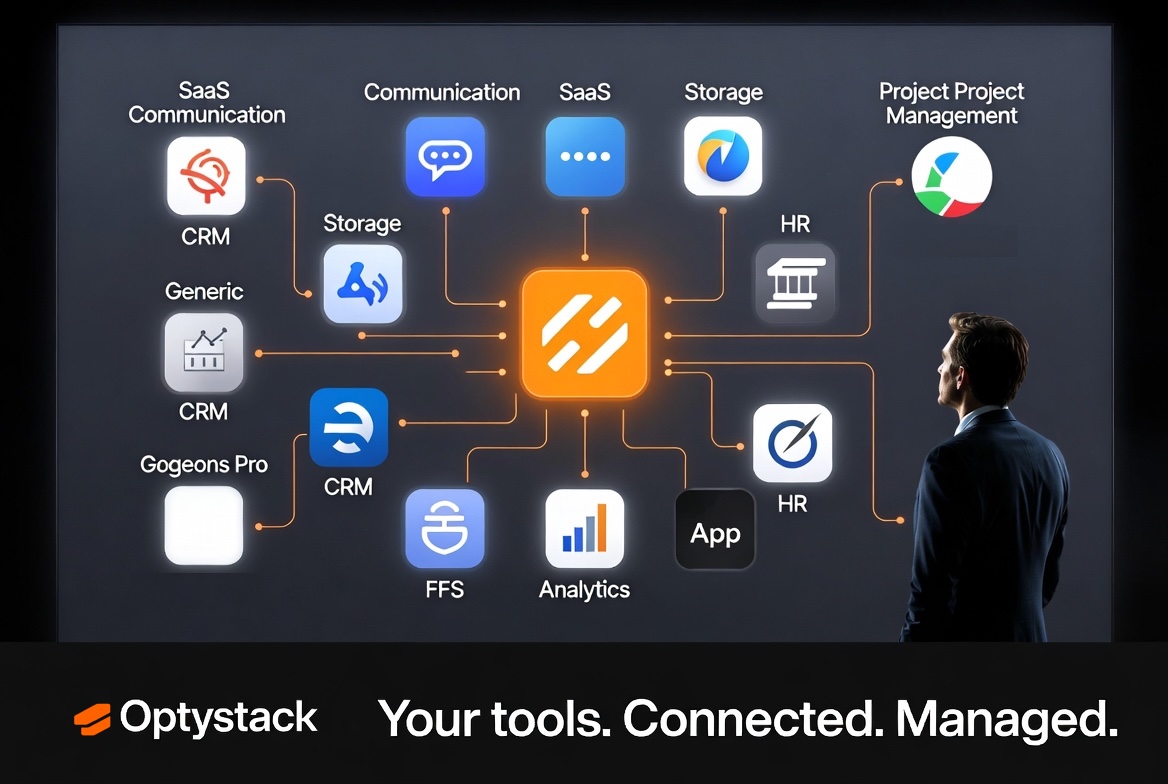
AI adoption rarely waits for policy. This story shows how one security leader used a SaaS management platform to bring shadow AI into a review process teams could actually live with.
Ishaan did not discover shadow AI through one dramatic incident. He discovered it through a trail of small clues that only looked meaningful after he connected them. A reimbursement request for an AI note-taking app. A browser extension mentioned in passing during a meeting. A vendor questionnaire that referenced a tool nobody had formally approved. None of those moments justified panic, but together they signaled a familiar problem: innovation was moving faster than governance. Ishaan knew that if security responded with blunt restrictions, teams would simply go quieter. The challenge was to create visibility without turning AI governance into a trust collapse.
Why Shadow AI Feels Harder Than Normal Shadow IT
AI tools spread fast because they promise immediate personal utility. A single employee can save time with a summarizer, transcription app, browser extension, or code assistant before any formal review catches up. That speed makes traditional approval workflows feel too slow and, in some organizations, too disconnected from how work actually happens. Ishaan understood that the company was not facing a rebellion. It was facing a workflow mismatch. Employees were finding value before governance had figured out how to evaluate the tools responsibly.
The risk, of course, was real. Sensitive data could move into unmanaged systems. Procurement could miss recurring costs. Duplicate functionality could sprawl across departments. Yet Ishaan’s deeper concern was that security lacked a reliable way to see the pattern early. Without visibility, policy would always arrive after the behavior had already spread.
How the Platform Created a Middle Path
A SaaS management platform gave Ishaan a practical middle path between indifference and overreaction. New AI tools could be discovered, traced to owners, and reviewed in the same broader context as any other application. That mattered because shadow AI is rarely just a security story. It is also a spend story, an ownership story, and often a productivity story. The platform gave the company a way to ask more useful questions: who uses this tool, what data does it touch, does it overlap with something approved, and how urgent is a decision?
With that context available, security no longer had to posture as a gatekeeper from the outset. It could become a coordinator of review. Some tools were approved with constraints. Some were redirected toward sanctioned alternatives. Some were retired because the risk outweighed the value. What changed was not only the quality of decision-making, but also the tone of the process.
Why Employees Became More Willing to Surface Tools
The most important shift happened culturally. Once employees saw that discovery did not equal automatic rejection, they became more willing to reveal how they were using AI. That made governance stronger because it replaced fear-driven hiding with workable disclosure. Ishaan intentionally kept the review path light enough that teams would use it. A heavy process might have looked more rigorous on paper, but it would have pushed experimentation underground again.
This is where a SaaS management platform proved especially useful. It anchored AI governance in the same software discipline the company already needed for renewals, ownership, and discovery. Instead of building a completely separate governance machine for AI, Ishaan extended an existing operating model to cover a faster-moving category.
What Governance Looked Like After the Panic Faded
A few months later, AI tools were still appearing, but they no longer felt like invisible threats. Security, finance, and IT had a shared place to examine them. Teams knew where to bring questions. New discoveries entered a queue instead of disappearing into rumor. That did not eliminate risk, but it replaced blind risk with managed exposure.
Ishaan’s takeaway was simple: the company never needed a fantasy in which AI adoption slowed down to match policy. It needed a system that could keep governance close enough to innovation that people would actually cooperate with it. The SaaS management platform made that possible by providing context, ownership, and a path from discovery to decision.
Shadow AI Governance Lessons
- Shadow AI spreads quickly because value appears before governance catches up.
- Discovery must be paired with context or security will overcorrect.
- Employees disclose more when review feels workable rather than punitive.
- A SaaS management platform helps govern AI as part of broader software discipline.
Related Reading Inside the Same Journey
When Ishaan presented the new review model, he included three related reads on lean IT, adoption discipline, and leadership reporting. For implementation perspective, start with SaaS Management Platform Adoption Mistakes That Slow Down Savings. For a different angle on value and governance, continue with Why Finance Finally Bought Into a SaaS Management Platform. Then round it out with The Hidden ROI Story Behind a SaaS Management Platform to see how the same SaaS management platform story changes depending on who is holding the problem.
Closing Reflection
Shadow AI governance becomes sustainable when the company can discover new tools early, understand their context, and respond without collapsing into panic or paralysis. That is why a SaaS management platform matters here. It gives fast-moving teams a way to govern experimentation without pretending experimentation will stop.
The company did not become anti-AI. It became less comfortable with AI choices that had no owner, no context, and no review path.
That distinction preserved innovation while making software governance more honest.
Ishaan later said the platform helped security replace suspicion with curiosity. That shift mattered because people are far more willing to disclose tools when the first response is thoughtful review instead of reflexive shutdown.
Over time, the company’s AI conversations became more mature because they were grounded in concrete use cases and operating evidence rather than in abstract fear or hype.
That maturity is what made the governance model sustainable. The company had found a way to respect experimentation without treating invisibility as an acceptable cost of speed.
A final reason this story matters is that saas management platform and shadow ai work usually succeeds when teams connect why shadow ai feels harder than normal shadow it to how the platform created a middle path instead of treating them as separate projects. Visibility without follow-through becomes noise, while follow-through without visibility becomes guesswork. The companies that improve fastest are the ones that connect the two early enough to change behavior.