Why Identity is the New SaaS Security Perimeter (And SSO is Non-Negotiable)
Arvind Yadav · March 13, 2026

If you are still relying on a corporate network firewall to protect your data, you are fighting yesterday's war. In a decentralized SaaS world, your critical data lives on third-party servers. Discover why identity management is now your only effective security perimeter, and why enforcing Enterprise Single Sign-On (SSO) is your non-negotiable first step.
If your organization is still treating IT security like it’s 2005, you have already lost the battle.
In that bygone era, the security mandate was simple to visualize: the "Castle and Moat" approach. We focused all our energy and budget on securing the corporate network perimeter. We built massive firewalls, deployed complex VPNs, and strictly controlled the physical devices allowed inside the building. We inherently trusted everything inside the moat, and we blocked everything on the outside.
Today, that moat has completely evaporated.
Your users are remote, operating from coffee shops and home offices. They are accessing corporate data on personal mobile devices. Most importantly, your proprietary data is no longer housed in a climate-controlled server room down the hall it is scattered across hundreds of third-party SaaS vendor servers that you do not control.
You can no longer protect the network, because the network is simply the public internet. Therefore, you must protect the Identity. Your Identity Provider (IdP) whether that is Okta, Google Workspace, Azure AD, or Ping Identity is now the single most critical security perimeter your organization possesses.
Identity as Your New Firewall
In the modern SaaS ecosystem, security flows through identity. This fundamental shift makes the adoption of Enterprise Single Sign-On (SSO) not just a convenience feature, but an absolute security mandate.
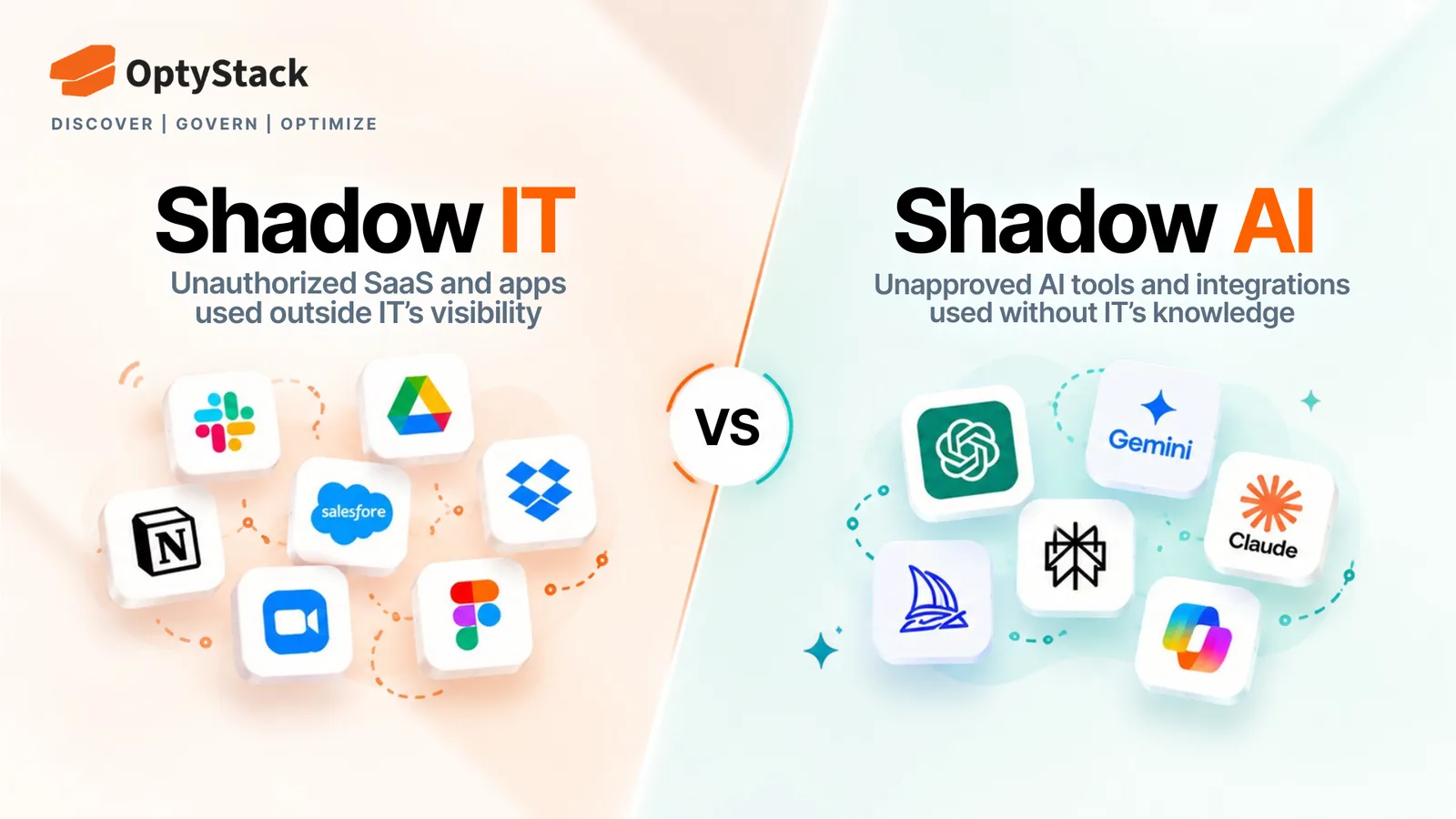
When you allow employees to manage standalone usernames and passwords for every individual application they use (Shadow IT), you are voluntarily creating hundreds of unmonitored backdoors into your company. Centralized identity governance allows IT leaders to directly address two massive "heavy weights" dragging down their operations:
1. Drastic Risk Reduction
Human nature is the weakest link in any security chain. If an employee is required to manage 30 different logins for their daily workflow, they will inevitably take shortcuts. They will create weak passwords, and worse, they will reuse the same password across multiple platforms.
This is a catastrophic vulnerability. If an employee uses a variation of their corporate login for an obscure, unvetted PDF converter tool, and that tool suffers a data breach, hackers will immediately take those stolen credentials and test them against your core corporate systems (like your CRM or email server). This is known as a credential stuffing attack, and it is highly effective against unmanaged SaaS.
By forcing all applications to authenticate through a central IdP via SSO, you eliminate this risk.
Employees only manage one, highly secure credential.
You eliminate password reuse entirely.
You can enforce robust, adaptive Multi-Factor Authentication (MFA) across your entire SaaS ecosystem with a single, global policy. Even if an attacker gets a password, the centralized MFA stops them cold.
2. Massive Administrative Time Recovery
The lack of SSO isn't just a security nightmare; it is an operational black hole for your IT team.
Take a look at your IT helpdesk queue. A staggering percentage of incoming tickets are likely simple access requests and password resets for tier-2 and tier-3 SaaS tools that IT doesn't even directly manage.
"I'm locked out of Trello."
"Can you reset my password for the marketing analytics dashboard?"
When IT personnel are functioning as high-paid password resetters, they are not architecting infrastructure, optimizing cloud spend, or hunting for actual security threats.
Implementing SSO eliminates these low-value tickets entirely. When access is tied to a central identity, users can leverage self-service password resets through the IdP, bypassing the IT helpdesk completely. This reclaims hundreds of expensive IT labor hours every single month, tipping the balance of time back in your favor.
The Non-Negotiable SSO Mandate
The era of trusting standalone passwords is over. As an IT or InfoSec leader, you must implement a strict policy: Stop accepting applications that do not support Enterprise SSO. Make SSO compatibility a core, non-negotiable requirement in your vendor procurement and security review process. If a SaaS vendor wants to do business with your enterprise, they must integrate with your identity perimeter. It is the only way to reassert control, secure your data, and protect your budget in a decentralized software world.