Building a SaaS Governance Framework: The Foundation for Cost, Risk, and Time Control
Arvind Yadav · March 12, 2026
In a world where anyone with a corporate credit card can acquire enterprise software, IT cannot simply be a gatekeeper. Instead, IT must evolve into an orchestrator of risk and cost. Discover our 5-step framework for establishing holistic SaaS governance to reclaim control of your digital environment without stifling business agility.
For a long time, the IT department operated as the ultimate gatekeeper of technology. If a department wanted a new software tool, they submitted a ticket, waited weeks (or months) for a security review, and IT eventually installed the software on the corporate network.
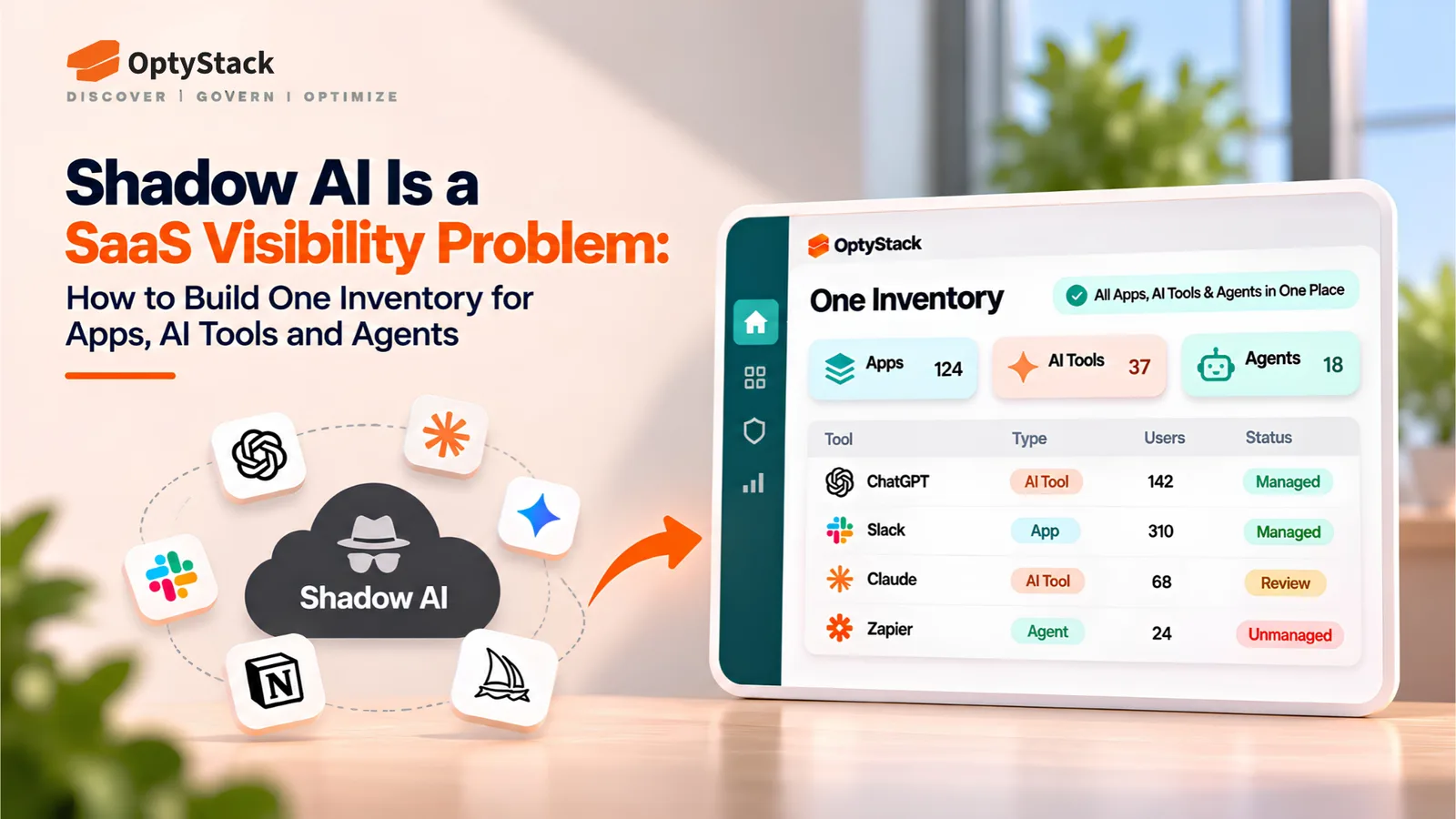
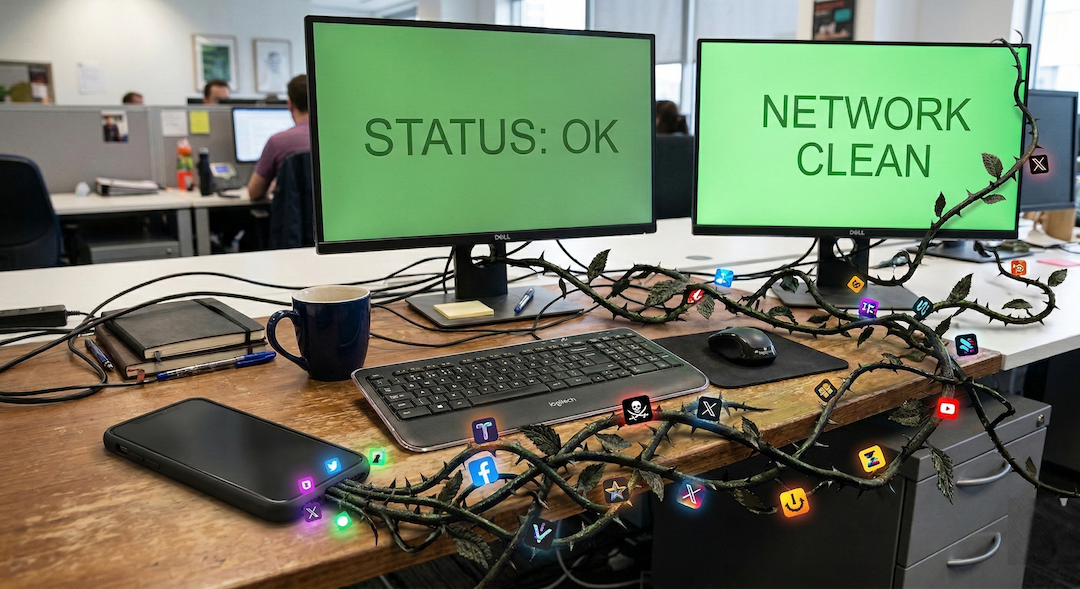
The SaaS model, driven by Product-Led Growth (PLG) and decentralized purchasing, completely shattered that gate. Today, a marketing manager can bypass IT entirely, swipe a corporate credit card, and instantly adopt a new AI content generator.
If IT tries to maintain its legacy "gatekeeper" status by simply blocking every unsanctioned application, two things happen: business agility grinds to a halt, and employees find stealthy workarounds, driving Shadow IT deeper underground.
The new mandate for modern IT is to become an Orchestrator of Value and Risk. To make this shift, you must move away from a culture of "No" and implement a robust, automated SaaS Governance Framework.
What is a SaaS Governance Framework?
A governance framework is not a dusty, 40-page PDF policy document that employees sign once during onboarding and immediately forget. It is a living, operational system designed to balance the competing "heavy weights" of your software ecosystem: minimizing subscription costs ($$$), mitigating security risks , and reducing administrative labor.
It answers the fundamental operational questions: What do we have? Who is using it? Is it secure? Is it worth the cost? How do we manage its lifecycle?
A successful SaaS governance framework rests on five critical pillars:
Step 1: Discovery & Total Visibility
You absolutely cannot govern what you cannot see. The first step is eliminating the spreadsheet and deploying tools that provide 100% visibility into your SaaS stack.
Action: Integrate a SaaS Management Platform (SMP) with your core financial systems (ERP/expense management) to follow the money trail of Shadow IT. Connect it to your Identity Provider (IdP) like Okta or Azure AD to see sanctioned logins, and monitor OAuth connections (like "Sign in with Google") to catch unvetted third-party integrations.
Step 2: Rationalization & Cost Optimization
Once you see the sprawling mess of your SaaS landscape, you must rationalize it. This means using utilization data not assumptions to trim the fat.
Action: Establish a routine (monthly or quarterly) to review active licenses against actual login and feature-usage data. Identify and terminate "Zombie" accounts belonging to former employees. Downgrade premium licenses for users who only need basic features. Most importantly, identify functional overlap (e.g., paying for Asana, Trello, and Jira simultaneously) and mandate consolidation to secure enterprise volume discounts.
Step 3: Security & Compliance Guardrails
Instead of reviewing every single app manually, establish non-negotiable baseline security requirements for any software entering your environment.
Action: Mandate that all tier-1 and tier-2 applications must support Enterprise Single Sign-On (SAML/SSO) so you can enforce Multi-Factor Authentication (MFA) centrally. Automate the auditing of OAuth permissions to ensure employees aren't accidentally granting malicious apps read/write access to corporate email or cloud storage. Require SOC 2 Type II compliance for any vendor handling sensitive customer PII.
Step 4: Streamlined Procurement & Provisioning
If the official IT procurement process takes six weeks, employees will bypass it in six minutes. You must make doing the right thing the easiest thing.
Action: Create an automated "App Store" or self-service catalog integrated with Slack or Microsoft Teams. If an employee needs a sanctioned tool, they request it via chat, their manager clicks "Approve," and an automated API provisions the license instantly. If they want a new tool, trigger a standardized, rapid vendor intake workflow that loops in Legal and InfoSec asynchronously.
Step 5: Automated Lifecycle Management (JML)
The Joiner, Mover, Leaver (JML) process is where the most administrative time is wasted and the most security risks are born. Governance requires this to be airtight.
Action: Connect your HR Information System (HRIS) directly to your SaaS management tools. When an employee is marked "Terminated," it should trigger a zero-touch offboarding workflow that instantly revokes access across all integrated SaaS apps, reassigns their data to a manager, and frees up their licenses for the next hire.
Restoring the Balance
Building a SaaS Governance Framework is how IT shifts from being a reactive cost center to a proactive business partner. By establishing these five pillars, you empower your employees to use the best tools available while guaranteeing that costs are optimized, data is secured, and your IT engineers are free to focus on actual innovation.